As Microsoft pole-vaults to the top tier of gaming entertainment, giving Activision Blizzard autonomy and resources will be essential to sustaining success, says Wharton’s Harbir Singh.
Microsoft sealed a “truly transformative” deal two weeks ago when it cleared regulatory hurdles to buy Activision Blizzard, the maker of hugely popular video games like Candy Crush and Call of Duty, according to Wharton management professor Harbir Singh, who is also co-director of the Wharton’s Mack Institute for Innovation Management. “The $68.7 billion deal is a very, very large step,” he said on the Wharton Business Daily radio show that airs on SiriusXM.
The purchase checks off several boxes at once that make it a “remarkable deal,” as Singh put it. With Activision in its portfolio, Microsoft can leapfrog from its modest Xbox platform to one that is several fold bigger, he said. It can also gain a “time-to-market” advantage that organic growth cannot provide like an acquisition can, he said.
Singh noted that investors revealed how they expected the deal to weaken the outlook for Microsoft’s rivals: Sony’s stock dived 13% on January 13, 2022, when Microsoft announced its bid for Activision Blizzard; it has since lost 28% to last week’s close of $80. “It was a significant impact on what people saw as [Sony’s] PlayStation oriented gaming business.”
What Microsoft Gains With Activision
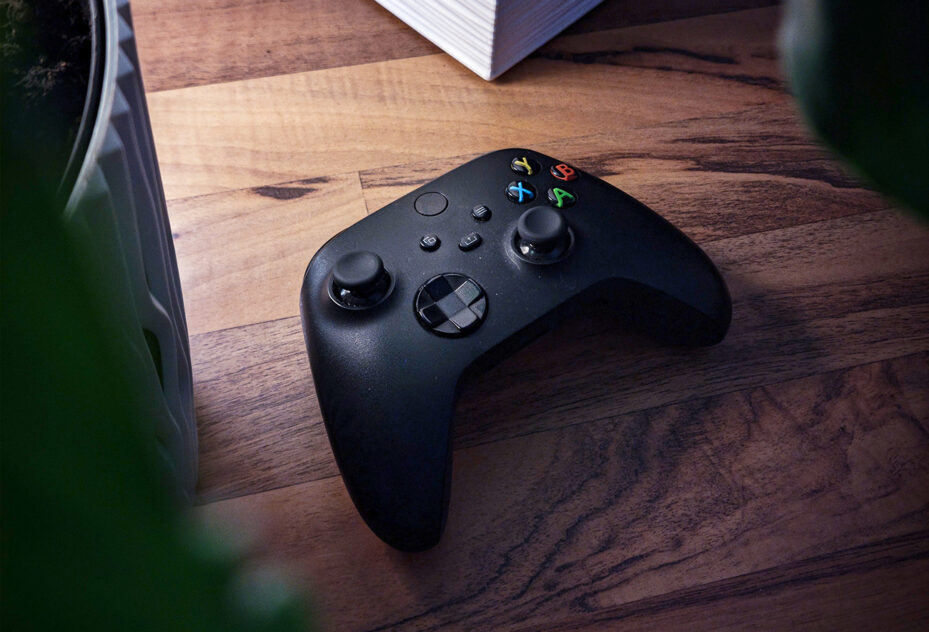
As Singh put it, in one shot, the Activision purchase enables Microsoft to shorten time-to-market with new gaming products, expand its reach, and deepen its penetration in those markets. Microsoft had tried some of those with offerings around its Xbox video game console system, he noted; it recently marked 40 years in the gaming business.
“Activision Blizzard gave [Microsoft] large numbers of users with Candy Crush and Call of Duty and other such games, and also multiple platforms including the mobile, the cloud, and many others,” Singh said. In a note after the purchase, Microsoft Gaming CEO Phil Spencer was effusive about welcoming Activision into his company’s fold.
With Activision Blizzard in its fold, Microsoft can also hope to change the way gaming enthusiasts perceive it. Singh noted that Microsoft “never really had enough of a strength in the entertainment area.” While Apple demonstrated how it can offer users a seamless experience on mobile devices, Microsoft’s Xbox was seen as “a hardware-based second platform” that had its primary focus on its MS Office platform, he added.
“When Satya [Nadella] came in [as CEO in 2014], he had to reset back to the mobile business.” That meant providing its community of software developers “the visibility and the resources” to create apps for entertainment products, he added. “[For developers], it’s also no longer a desktop – it’s the mobile platform, it’s the cloud, it’s streaming. It’s all those possibilities.”
Organic Growth Not an Option
In closing the Activision Blizzard deal, Microsoft is also falling in step with “the remarkable pace” at which tech companies have been growing, Singh said. “Just a few years ago, [tech companies] were relatively skittish about making acquisitions because they worried about loss of talent, which is a real issue, and also about differences in organizational culture. But Microsoft has gone into this with both feet.”
In the fast-moving gaming market, acquisitions bring both new sources of revenue and opportunities to sell across platforms. But there is also a sense of urgency about acquisitions: “Firms are recognizing that internal development is a bit slow,” he said. Sure, firms don’t have to worry about overcoming cultural differences that acquisitions bring up, “but sometimes you don’t win with your internal products,” he added. “Partnerships are useful, alliances are useful.”
For companies that are getting disrupted by startups, the options are to either “buy the startups or partner with a startup that’s winning in their space,” Singh continued. “You’re going to make some mistakes, but then those mistakes are small in relation to the payoff if you get some of these [acquisitions] right.”
In settings where time-to-market is a crucial differentiator, another driver for acquisitions is the tradeoff between “market value versus replacement value,” Singh said. He considered the questions a company like Microsoft would likely face: “What would it take to replace Activision through Microsoft’s own activities, whether it’s internal [development] or through partnerships? These are not tradable assets. You have to buy them. If they don’t want to partner with you, there’s no other choice.”
Acquiring a firm like Activision Blizzard is a persuasive option for Microsoft, which already has its Xbox ecosystem, he said. “You realize you’re not winning a particular race, but you have complementary assets. There’s value on both sides here.”
Making the Deal Work With a Culture Fit
Now that Microsoft has bagged Activision Blizzard, it must avoid the familiar trap of a clash of cultures. “This is where tech firms have had a long history of failures,” Singh said. Acquiring companies try to enforce their systems or their way of doing things or impose their bureaucracy on the acquired firm, he explained. “That is a real danger that [Microsoft faces].”
Having said that, Microsoft “seems to have done well with many of their more recent acquisitions; this is something that they have to continue to follow,” Singh continued. “Luckily Microsoft’s image is positive and that can be helpful. But that’s not enough. You know you need to ensure that the innovation engine remains intact.”
Microsoft demonstrated its comfort with a hands-off approach after it bought LinkedIn in 2016, disproving naysayers, he recalled. “They left LinkedIn largely alone.” His advice for Microsoft was to follow that template with Activision Blizzard, giving it both autonomy and the resources to innovate and grow.
In addition to access to capital, Activision Blizzard gets “the scale of Microsoft,” and it could tap into “a menu of complementary resources” from Microsoft, such as connecting to its cloud platforms, he added.