Sade Williams
The Nigerian Safety Investigation Bureau (NSIB), Nigeria’s transport safety watchdog, has warned that underfunding threatens the country’s ability to investigate accidents across aviation, maritime and rail, after a passenger train derailed near Abuja last week in one of the most serious incidents on the nation’s flagship line in recent years.
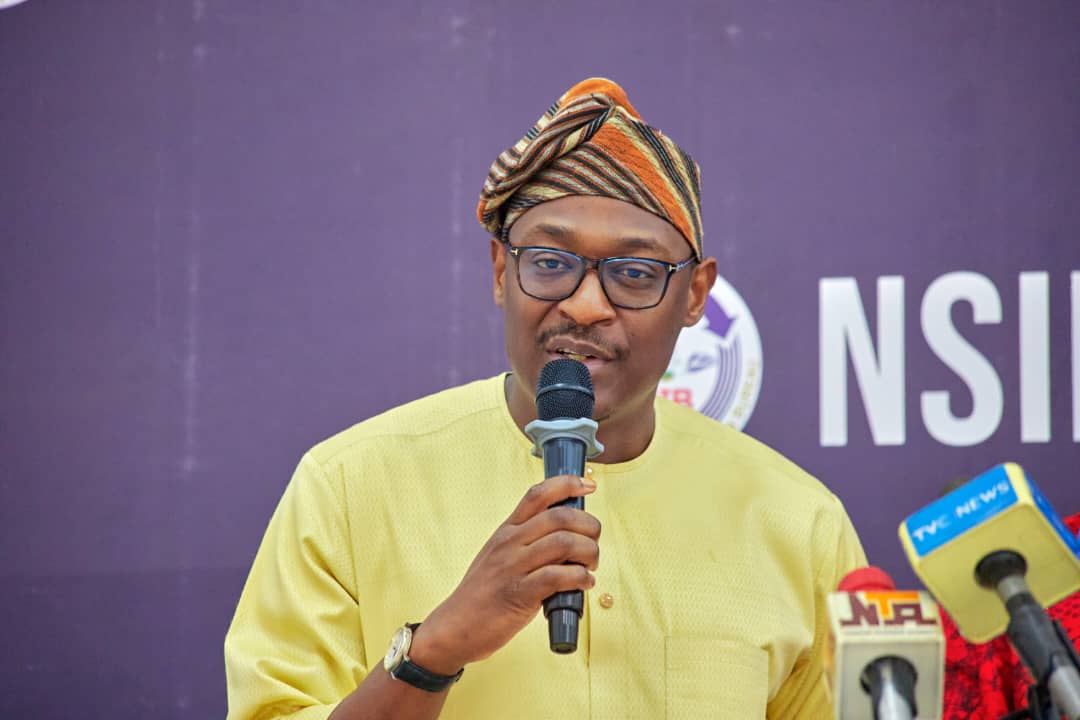
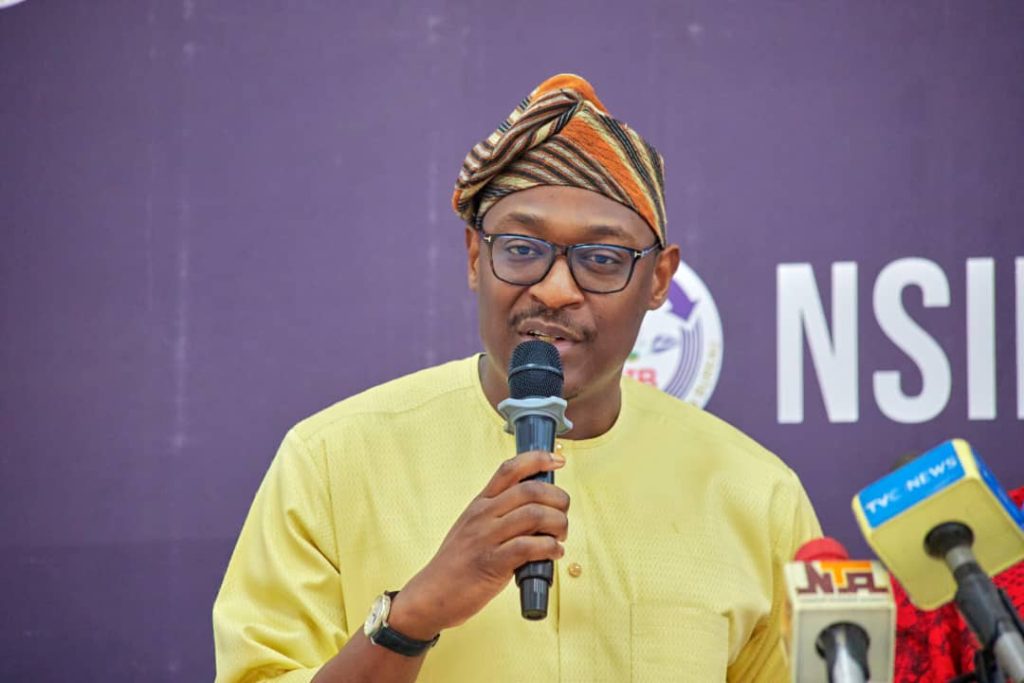
Alex Badeh Jnr, director-general of the Nigerian Safety Investigation Bureau (NSIB), said on Tuesday that the agency’s work was being hampered by delayed remittances from government agencies and a shortage of resources to equip and train investigators. He urged the federal government to prioritise funding for the bureau, warning that inadequate support risked delaying safety recommendations and undermining efforts to prevent future disasters.
“This is a call on government and other critical stakeholders to address the shortfall in funding. Adequate funding will enable us to get necessary equipment. We should not wait until there’s catastrophe to get the funds. Our investigations are to prevent future occurrence,” Badeh told reporters in Abuja while providing an update on the derailment.
The NSIB, established under the 2022 Act of the same name, has a sweeping mandate to investigate accidents across all transport sectors, replacing a narrower aviation-focused agency. Badeh said the bureau was still facing non-remittance from the Nigerian Maritime Administration and Safety Agency (Nimasa), one of the bodies expected to contribute to its budget.
“Although some funds were made available, they are not enough. We must train more investigators, we need equipment for investigation, and we need resources to complete reports on time,” he said.
His comments came as the NSIB launched an inquiry into the derailment of a northbound Abuja–Kaduna passenger train on August 26 at Asham station, shortly after departing the capital’s Idu terminal. Five of the train’s eight coaches came off the track after passing a switch point, with the lead locomotive and two coaches overturning.
There were 583 people on board, including crew. Official records confirmed 12 passengers sustained minor to moderate injuries, while eyewitnesses said as many as 50 may have been hurt, though many left the scene with relatives before formal registration. No fatalities were reported.
The derailment caused significant damage to the track, sleepers and switching mechanism, forcing the Nigerian Railway Corporation to suspend operations temporarily on the busy Abuja–Kaduna corridor, which has become a critical link for commuters and businesses after years of investment. The route has previously suffered from high-profile security incidents, including a 2022 attack in which gunmen killed passengers and abducted dozens more.
Under the 2024 Railways (Investigation of Accidents and Incidents) Regulation, the NSIB has appointed an investigator-in-charge to oversee the inquiry. The official has full authority over the crash site, evidence and rolling stock, with power to secure materials against tampering. Technical experts may be brought in to assist, while the bureau will coordinate with any judicial panels that might be convened.
Badeh said a preliminary report would be released within 30 days of the accident, in line with regulatory requirements. “We are committed to meeting the deadline. Our investigators are already inspecting the site, reviewing railway corporation records and interviewing crew, staff, responders and passengers,” he said.
The ongoing investigation will include detailed inspections of track geometry, infrastructure and locomotives, as well as analysis of data recordings. Statements from witnesses will be taken under affirmation where required, with strict protections to prevent unauthorised disclosure of findings before the investigation concludes.