- Marketers kick as Dangote fights for monopoly
Onome Amuge
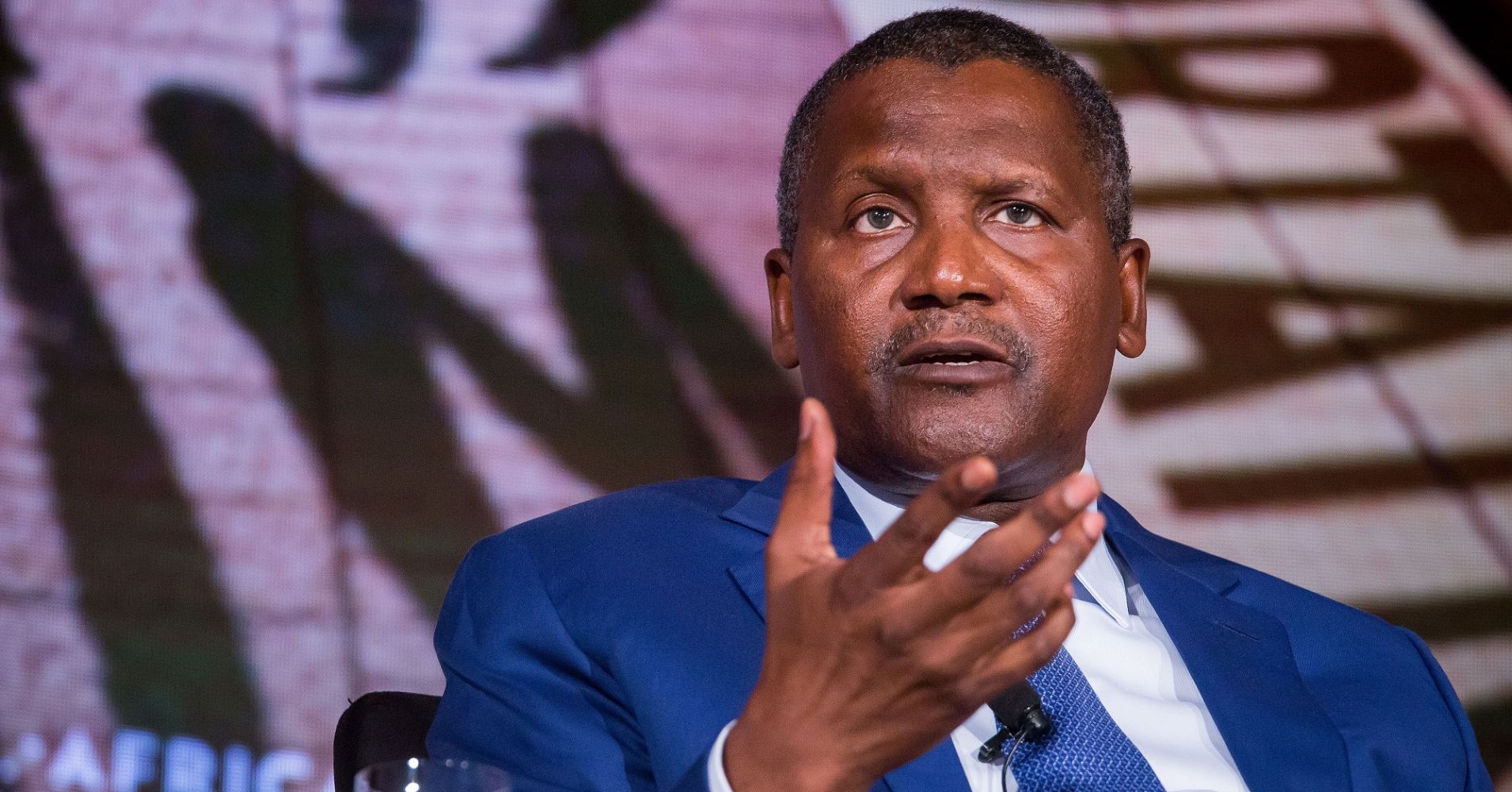
Aliko Dangote, chairman/founder, Dangote Group
The phrase “When two elephants fight, it is the grass that suffers” serves as an apt analogy for the Nigerian oil sector, where key players in the industry are embroiled in media altercations while the masses suffer the severe economic consequences of high oil prices.
As major oil operators engage in bitter exchanges, the average Nigerian is caught in the crossfire, with high oil prices causing further hardships and dimming the hopes of survival for many.
The Dangote refinery, once touted as the solution to Nigeria’s fuel crisis, has turned out to be more of a profit-driven entity, aimed at increasing the wealth of its founder, Aliko Dangote, rather than providing affordable fuel for the people.
Dangote, Africa’s richest man, now finds himself at the centre of this controversy, as Nigerians question his motives for building the refinery.
It is considered a cruel irony that despite the Nigerian National Petroleum Company Limited (NNPCL) receiving a steady supply of petrol from the $20 billion Dangote refinery, the cost of petrol continued to choke Nigerians, as prices are maintained in the range of N1,025 and N1,050 per litre and above in the cities of Lagos and Abuja.
This exorbitant price, a nightmare for the average Nigerian, proved to be merely the beginning of their plight as other regions of the country saw petrol prices skyrocket, reaching unprecedented levels and dragging down the economic vitality of the nation in its wake.
In a television interview, Yakubu Suleiman, the national assistant secretary of the Independent Petroleum Marketers Association of Nigeria (IPMAN), explained that oil marketers were hesitant to purchase Dangote’s petrol because of the high costs involved, including transportation and depot fees. These costs have made it difficult for marketers to sell petrol to customers at affordable prices, despite Dangote stating that it has a stockpile of 500 million litres of petrol.
However, in the face of growing public discontent over the continually rising petrol prices, the Dangote Refinery has refuted the allegations of excessive pricing, stating that its petrol was being sold at a fair price.
Dangote Kicks
Responding to the accusations levelled against Dangote Refinery, Anthony Chiejina, the Group’s chief branding and communications officer, released a statement, affirming that their petrol was sold at N960 per litre for ship sales and N990 per litre for truck sales.
“Post-deregulation, NNPC set a benchmark of N971 per litre for ship sales and N990 per litre for truck sales. We have even gone lower to N960 for ships while maintaining N990 for trucks, despite the absence of clarity on exchange rates for crude purchases,” Chiejina stated.
Chiejina defended the refinery’s pricing strategy by asserting that some importers might be offering lower prices because they are selling substandard petrol, which could cause harm to vehicles and public health.
He also pointed out that the Nigerian Midstream and Downstream Petroleum Regulatory Authority (NMDPRA) does not have adequate laboratory facilities to detect these low-quality imports.
Dangote further alleged that a nearby depot is diluting its refined products with low-quality imports, threatening the viability of domestic refining efforts.
Oil marketers insist on price cut
With a firm resolve to bring relief to Nigerians amidst rising petrol prices, the Petroleum Products Retail Outlets Owners Association of Nigeria (PETROAN) asserted that their impending petrol importation would offer lower prices, falling below the current domestic rates.
Joseph Obele, the national public relations officer of PETROAN, disclosed that the group had already established a business unit to facilitate the importation of petrol in December.
PETROAN also denied allegations that their planned importation of petrol would involve substandard products. Obele dismissed these claims as baseless and asserted that they were a result of the competitive nature of the industry.
“Intensive or aggressive competition in any market brings the best value for money exchange for a commodity. Consumers get the best value for pricing when competition is at its peak, hence competition should be encouraged.
“Contrarily to competition, such a market will be exploitative and strictly for profiteering,” PETROAN stated.
PETROAN further announced that it had established agreements with foreign refinery counterparts and financial partners to import high-quality petrol and sell it at a lower price than the current market rate in Nigeria.
This move, the group explained, was a response to calls for increased competition in the industry, and an effort to bring affordable, high-quality petrol to Nigerian consumers.
Olufemi Adewole, executive secretary of the Depots and Petroleum Products Marketers Association of Nigeria (DAPPMAN), also refuted the allegations that any of the association’s members had engaged in any unscrupulous practices that would jeopardise the quality of the fuel available to Nigerian consumers.
DAPPMAN stated, “We’ve said this for the umpteenth time, and it bears repeating, those in the downstream sector business of petroleum products trade are patriotic Nigerians who will not shortchange Nigerian citizens for filthy lucre. Our members are in this business to add value to the businesses of their fellow Nigerians and not to defraud them.
“Prices of products in the international market are dynamic as they’re dictated by prevailing circumstances at every given situation. We calculate our landing costs based on the dynamics of market forces, and the templates are always in the public domain. To claim that if the landing cost of imported product happens to be lower than that of the refinery indicates importation of low-quality product is not only preposterous but also fallacious. In any case, the management of the refinery has, until now, kept its cost and prices close to its chest and put it away from public scrutiny.”
Pinnacle Oil and Gas, Dangote Refinery trade blames
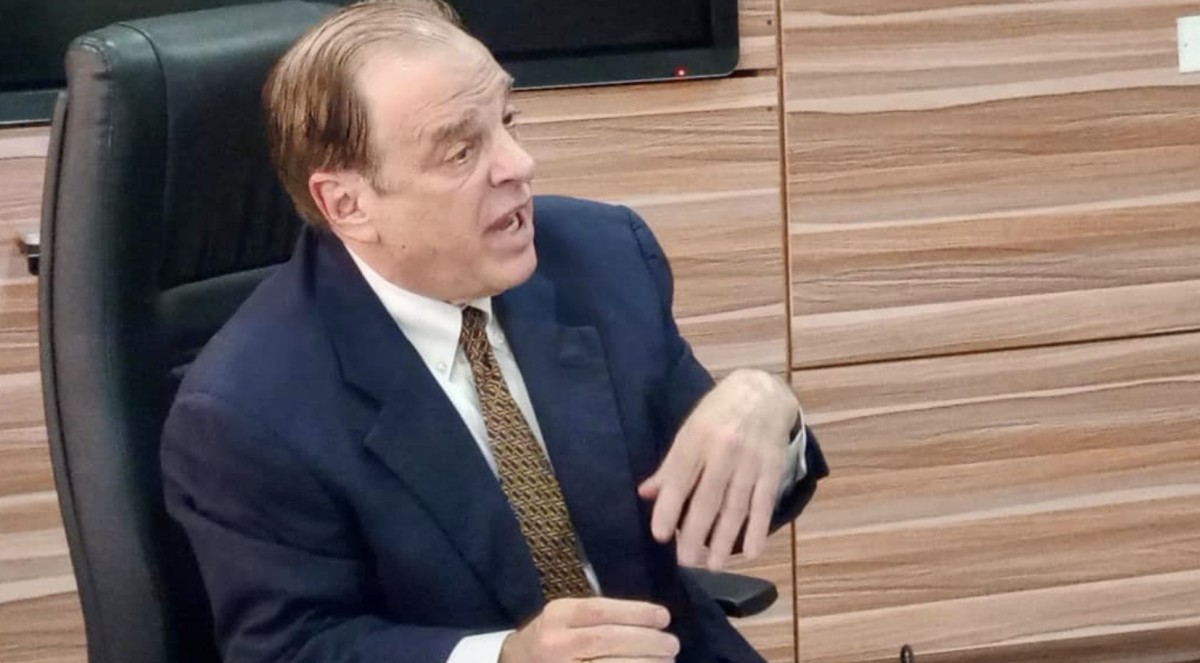
Pinnacle Oil and Gas Limited, a facility near the Dangote Refinery has also dismissed claims of blending substandard petroleum products.
In a statement, Pinnacle emphasised the importance of an open and free market system to determine sustainable prices.
Bob Dickerman, CEO of Pinnacle, reiterated the critical role of multiple buyers and sellers in a deregulated market, as this provides a level playing field and enables the establishment of competitive market prices. He urged for a more open and fair market environment to ensure that consumers benefit from a wider range of choices and lower prices.
However, Dangote Refinery fired back at Pinnacle Oil and Gas Limited’s CEO, Robert Dickerman, asserting that deregulation should not be used as an excuse for importing substandard petroleum products or compromising Nigeria’s national interests.
Dangote Refinery, in a press release titled, ‘Pinnacle Oil and Gas FZE: Our Stand’, maintained that Dickerman’s argument for a deregulated market failed to address the severe implications of his actions, which they claim threatened the very integrity of Nigeria’s energy sector and put the welfare of its citizens at risk.
Dangote Refinery reaffirmed its commitment to deregulation and industrialisation, stressing that this support is rooted in a sincere dedication to the long-term economic prosperity of Nigeria and the protection of its citizens from unscrupulous business practices.
The refinery emphasised that deregulation should never be used as a cover for endangering the well-being of Nigerians in pursuit of profit.
Dangote Refinery further expressed its concerns over Pinnacle Oil’s move to lease its tank farms to a company without any retail outlets in Nigeria, questioning the motives behind such a decision.
With these tank farms being located just 500 metres from Dangote’s refinery, the company raised doubts over the intentions behind this move, particularly in light of previous refinery shutdowns in Port Harcourt, Kaduna, and Warri, which they saw as potential signs of an orchestrated campaign to sabotage their operations.
“The choice we face is between fostering industrialisation or allowing Nigeria to remain a dumping ground for inferior products while exporting jobs. For nearly three decades, cartels and their collaborators have sabotaged efforts to develop Nigeria’s refining capacity, keeping the country dependent on imported products. The time has come to end this cycle of exploitation and ensure that Nigeria’s energy sector works for the benefit of its people,” it added.
Reacting to Dangote’s allegations, Pinnacle Oil and Gas Limited, refuted claims that their premises were being used to warehouse substandard petrol, stating that such assertions were erroneous and unfounded.
Pinnacle Oil dismissed Dangote’s accusations as being riddled with inaccuracies and gaps, thus making them unreliable and untrustworthy.
The company proclaimed that its Lekki terminal is an industry-leading, refined products terminal that boasts a storage capacity of over one billion litres, with more than 300 million litres already in place.
Pinnacle Oil also clarified that its decision to enter discussions with Dangote Refinery and execute a pipeline interconnection agreement in 2022 was part of the commitment to providing world-class service to customers and facilitating the efficient distribution of products across Nigeria.
Dangote seeks court action against marketers
As the situation surrounding the allegations of planned monopoly by Dangote Petroleum Refinery and Petrochemicals continues to unfold, three oil marketers – AYM Shafa Limited, A. A. Rano Limited, and Matrix Petroleum Services Limited – have entered the fray as respondents in a suit filed by Dangote Petroleum, raising concerns about the potential adverse effects of such a monopoly on Nigeria’s energy sector.
In a suit filed before a Federal High Court in Abuja, Dangote Petroleum Refinery and Petrochemicals sought to invalidate the import licences issued by the Nigerian National Petroleum Company Limited (NNPCL) and five other oil companies, stating that these licences, which were intended for the importation of refined petroleum products, posed a significant threat to the nation’s energy sector.
In the suit marked FHC/ABJ/CS/1324/2024, Dangote Petroleum Refinery and Petrochemicals alleged that the Nigerian Midstream and Downstream Petroleum Regulatory Authority (NMDPRA) had issued import licences to NNPCL and five other oil companies to import petroleum products.
The plaintiff sought N100 billion in damages against NMDPRA for their alleged actions, claiming that these licences were not only detrimental to the energy sector but also caused significant financial losses to the plaintiff.
The three oil marketers, who responded to the Dangote Petroleum Refinery and Petrochemicals’ suit, argued that the plaintiff was not producing enough petroleum products to meet the daily consumption of Nigerians, despite no evidence to the contrary.
In their counter-affidavit opposing the suit, the three respondents maintained that they were fully qualified and entitled to receive import licences from NMDPRA, under Section 317(9) of the Petroleum Industry Act, to import petroleum products into Nigeria.
The three oil marketers further contended that granting the plaintiff a monopoly over the Nigerian petroleum industry, as the suit sought, would eliminate competitive pricing and cause devastating consequences for the economy and the general populace.
They warned that “putting all of Nigeria’s energy resources in one basket”, by ending imports and relying solely on Dangote Petroleum Refinery and Petrochemicals for production and supply, would lead to exorbitant prices and energy insecurity for the country. They cautioned that this scenario would have dire implications for the average Nigerian and the nation as a whole, triggering a destabilising chain reaction.
The three respondents underscored the dangers of granting the plaintiff monopoly power in the Nigerian petroleum industry. They raised the prospect of production disruptions or obstructions at Dangote Petroleum Refinery and Petrochemicals, which would have a crippling impact on the country’s energy sector.
They further warned that given Nigeria’s limited reserves, such an event would force the country to frantically order, pay freight for and import refined products, leaving Nigerians at the mercy of Dangote for availability and cost of fuel.
The struggle for control of Nigeria’s oil industry has been likened to a game of chess, where the pieces are major corporations, interest groups, and the government, while the board can be likened to the lives of everyday Nigerians. The government, seen as a passive player in this game, moves only when provoked, leaving ordinary Nigerians vulnerable to the whims and manoeuvres of industry giants and interest groups.
While the power struggles between Nigeria’s oil and gas titans may seem inevitable, analysts caution that this sector cannot thrive in a warzone, where corporate giants and state captors engage in a tug-of-war at the expense of the end user’s safety and economic well-being.
Nigeria’s energy sector, they argue, can only achieve sustainable growth if the government adopts a proactive stance, implementing regulations that prioritise the interests of consumers.
They also suggested that beyond paying lip service to these issues, the government must take decisive action to safeguard Nigeria’s refining sector and ensure the safety and well-being of its consumers.