Sade Williams/Business a.m.
Across airports worldwide, cases of unruly passenger behaviour are on the rise, creating operational disruptions, threatening safety, and placing unnecessary strain on aviation security personnel.
In recent years, this worrying trend has become more visible in Nigeria’s aviation sector, underscoring the urgent need for greater public awareness of passenger duties and responsibilities.
Air travel operates under strict protocols designed to protect everyone, passengers, crew, and ground personnel alike. When these protocols are ignored or challenged through aggressive or disruptive actions, the consequences can be severe, including delays, diversions, and potential safety risks.
Experts emphasize that passengers have a legal and moral obligation to comply with safety instructions and conduct themselves with courtesy and restraint at all times.
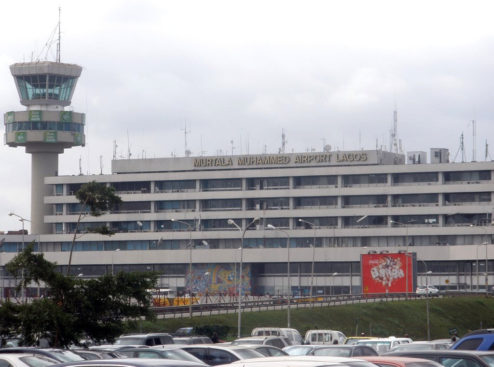
A recent incident at the Murtala Muhammed Airport Terminal 2 (MMA2) provided a clear illustration of this challenge, and how it can be managed effectively.
A female passenger who became unruly on the tarmac following an onboard incident. Aviation Security (AVSEC) personnel at MMA2 responded promptly. Despite the passenger’s confrontational behaviour, the officers displayed exceptional caution, avoiding any physical contact until a female officer arrived to handle the matter in accordance with protocol.
The passenger’s aggression continued on the transfer bus, where she was seen grabbing a male AVSEC officer by the necktie. Even then, the officer refrained from retaliation, demonstrating remarkable discipline and professionalism in the face of provocation.
Such conduct from security personnel highlights the importance of rigorous training in de-escalation and adherence to procedure. However, it also points to the broader need for continuous passenger education. Airport users must understand that unruly behaviour is not just a personal outburst, it can have legal consequences, jeopardize the safety of others, and disrupt the smooth functioning of aviation operations.
The incident serves as a timely reminder: while aviation security teams are trained to protect and serve, the responsibility for a safe and respectful travel environment rests with all who use the airport.