Onome Amuge
Dangote Cement Plc has called for stronger collaboration between industries, government and communities to address Nigeria’s mounting challenge of youth unemployment.
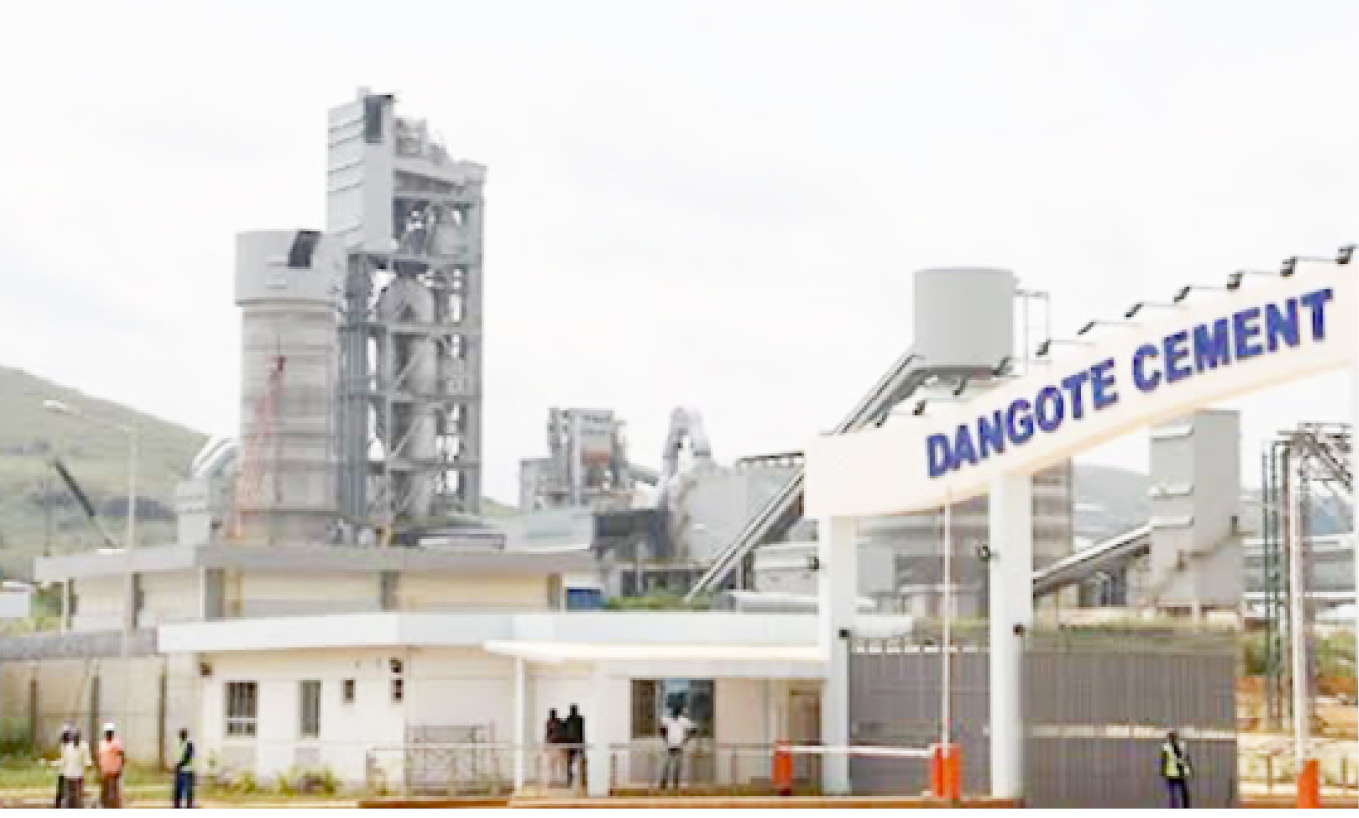
The appeal was made during the company’s commemoration of International Youth Day at its Obajana plant in Kogi State, where executives emphasised that empowering young people is central to Nigeria’s industrial development and social stability.
Nawabuddin Azad, plant director, said the company was committed to investing in young people through initiatives aligned with the United Nations’ Sustainable Development Goals (SDGs). Speaking through Ademola Adeyemi, the general manager of social performance,he described youth empowerment as “crucial for active participation in social and economic development.
“Our philosophy is one of shared value, where business success goes together with social progress. We are committed to supporting initiatives that empower the youth, uplift communities and promote sustainable practices,”Azad said.
Nigeria currently faces a labour market imbalance. More than 42 per cent of young people aged 15–35 are either unemployed or underemployed, according to official data. Each year, millions of graduates and school-leavers enter the labour force with limited opportunities in the formal sector, fuelling discontent and migration pressures.
Industrial employers such as Dangote are increasingly vocal about the need for systemic interventions. While government policy has prioritised job creation, critics argue that fiscal constraints, weak infrastructure and underinvestment in technical education have limited impact on ground.
At the Obajana event, the company showcased a suite of empowerment schemes that train young people in poultry farming, solar energy entrepreneurship and fashion design. These initiatives are designed to equip beneficiaries not just with technical skills but also with the capacity to create jobs and foster self-reliance.

John Gwong, chief general manager and head of production at Obajana, described the youth as the greatest assets of any nation. Their creativity and energy, he said, are essential to the company’s productivity and to Nigeria’s economic future.
“At Dangote Cement, we see the youth as the backbone of society. By mentoring them, building their capacity, and exposing them to new technologies, we are preparing a generation that will secure the growth of both our company and our nation,” Gwong said.
Azeez Adeniyi, head of human resources, reinforced the point by stressing that the company’s engagement goes beyond technical training. “We prioritise ethics, teamwork, and responsibility because these values shape strong leaders and professionals,” he said.
Wale Adedeji, head of the company’s training arm, the Dangote Academy, urged young people to embrace technology and adaptability in a rapidly changing world. “The future belongs to those who are resilient and forward-thinking. Our continued investment in young professionals has strengthened our operations and positioned Dangote Cement as a leader in Africa’s cement industry,” he said.
The Dangote-owned academy runs graduate trainee schemes, internships and technical certification programmes, creating a pipeline of skilled workers for Dangote’s factories across the continent. Executives said hundreds of young Nigerians have benefitted, many of whom are now integral to the group’s workforce.
Such initiatives are part of its strategy to localise talent, reduce reliance on expatriates and enhance the group’s competitive edge in an industry where energy costs, logistics and regulatory compliance remain challenges.
For Dangote, which operates the largest cement plant in sub-Saharan Africa, stability in host communities is considered both a social responsibility and a business imperative.
The World Bank has warned that Nigeria must create at least 30 million new jobs by 2030 to prevent rising poverty and insecurity. This requires systemic reforms such as investment in power and transport infrastructure, expansion of vocational education, and a business climate that attracts capital into job-creating sectors.
Dangote executives framed their own contribution as part of this wider agenda. “The values of curiosity, resilience and problem-solving are essential for young people to remain competitive globally. These qualities directly translate into our ability as a company to innovate and remain productive,” Adedeji said.
The Obajana ceremony ended with a call on young Nigerians to commit to lifelong learning and uphold values of discipline, integrity and hard work. Stakeholders were urged to sustain efforts at mentoring and involving youths in nation-building.