Onome Amuge
South African business sentiment slipped back into contractionary territory in August, as weakening demand and the impact of US trade tariffs on key exports weighed on activity in Africa’s most industrialised economy.
Absa Group’s Purchasing Managers’ Index, compiled with the Bureau for Economic Research, fell to 49.5 last month from 50.8 in July. The July reading had marked the first time in nine months that the index had edged above the 50-point threshold separating expansion from contraction.
The latest decline reflects the fragile state of South Africa’s manufacturing and export sectors as companies struggle to operate under both sluggish domestic conditions and the knock-on effects of US protectionist measures. President Donald Trump’s administration last month imposed a 30 per cent tariff on a range of South African goods, with the automotive and agricultural industries among the hardest hit.
“Both domestic and global demand remain under pressure,” Absa said in a statement. “Respondents refer to tariffs hurting exports, even if they themselves are not directly impacted, with some mentioning knock-on implications from affected clients.”
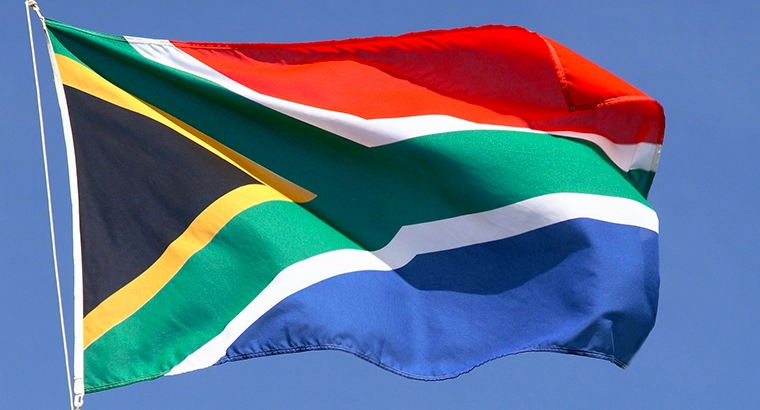
The trade shock compounds an already difficult backdrop for South Africa’s private sector, which has been struggling with erratic electricity supply, subdued consumer spending, and elevated borrowing costs. The government has warned that about 30,000 jobs are at risk from the new tariffs, raising concerns about further pressure on the country’s labour market, where unemployment already exceeds 30 per cent.
The PMI report showed broad-based weakness. The gauge of new sales orders slumped to 47.4 in August from 55.9 in July, signalling a sharp drop in demand. Business activity also deteriorated, with the index slipping to 45.8 from 47.1 previously, while supplier deliveries softened to 53 from 56.4, reflecting lower levels of orders.
Respondents to the survey also cited intensifying competition from cheaper imports, which are undercutting local producers. Analysts warn that unless global trade conditions improve, South Africa’s export-driven industries face mounting headwinds.
The deterioration in sentiment raises fresh challenges for policymakers as they attempt to stimulate investment and safeguard jobs. With GDP growth forecasts already under strain, economists say prolonged trade disruptions could delay recovery and add to fiscal pressures on the government.
The setback comes as Pretoria seeks to deepen trade partnerships beyond traditional markets in response to protectionist shifts in the US and Europe. For now, however, businesses are bracing for leaner months ahead.