Onome Amuge
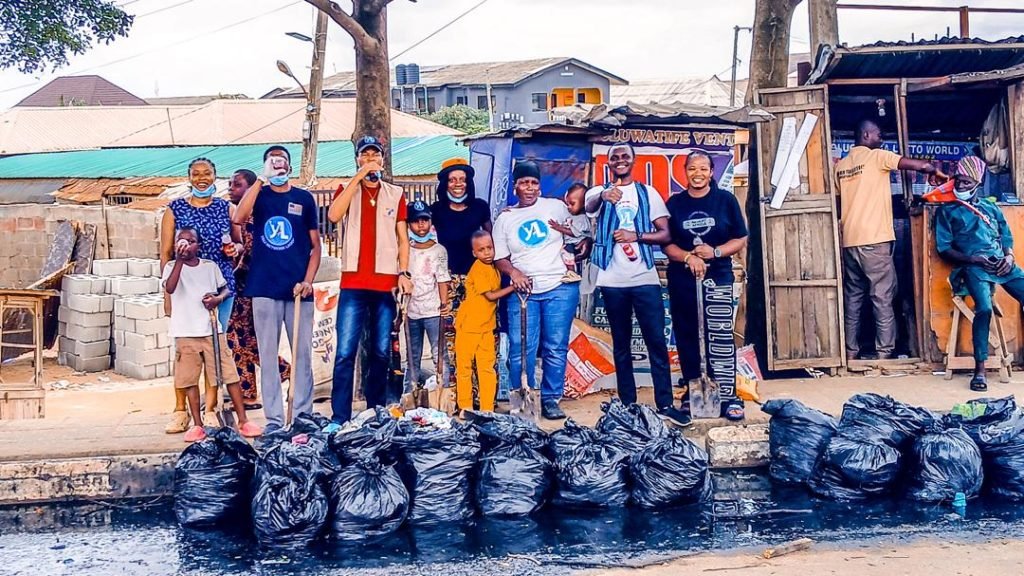
The Young African Leaders Initiative (YALI) Network Lagos recently organised a community sanitation exercise in Akesan, Alimosho Local Government Area of Lagos State, in commemoration of World Cleanup Day 2025.
Themed “Eco-Action: Our City, Our Responsibility,” the exercise, held on September 20, brought together young leaders, residents, and volunteers in a joint effort to promote cleaner and safer surroundings.
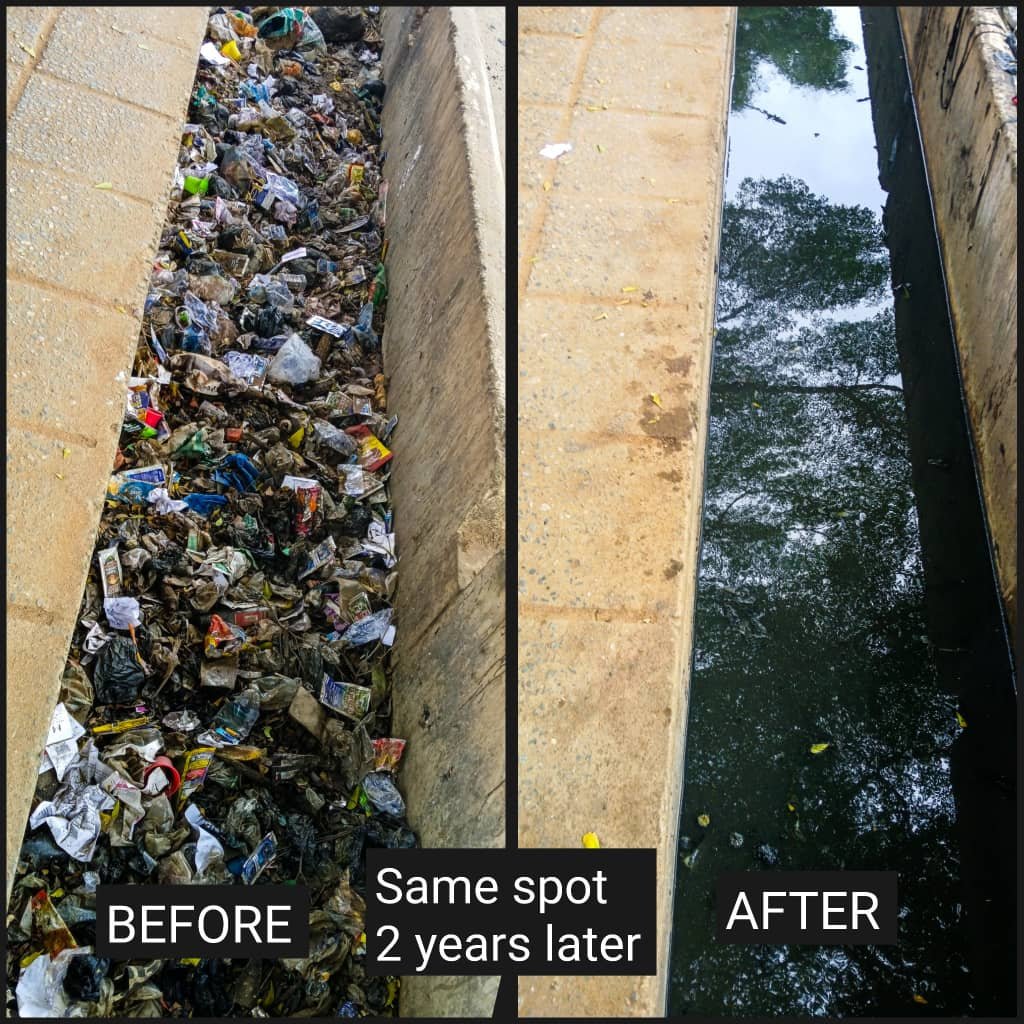
Participants, including youths, parents, and schoolchildren, gathered at the Beta Day meeting point before fanning out to clear refuse dumps, desilt blocked drains, and dispose of waste responsibly. The hands-on activity doubled as a public awareness campaign, aimed at driving behavioural change around waste management.
Ojo Semasa, coordinator of YALI Network Lagos, stressed the importance of shared responsibility in addressing environmental issues. “World Cleanup Day is a reminder that keeping our environment clean is a collective task. Through initiatives like this, we are not only cleaning our streets but also inspiring a culture of environmental stewardship and civic duty in our communities,” he said.
The Lagos chapter of YALI has positioned itself as a platform for civic engagement, youth leadership, and sustainable development. Its participation in World Cleanup Day, which is a global movement observed annually in more than 190 countries, showcases the role of grassroots networks in tackling environmental challenges.
Nigeria generates an estimated 32 million tonnes of solid waste annually, according to the World Bank, with Lagos alone contributing a significant share. Poor waste management has been linked to recurring flooding, blocked drainage systems, and health hazards in densely populated areas such as Alimosho.
Environmental experts argue that while state-led reforms and public-private partnerships remain critical, community action such as the YALI cleanup, creates accountability and sustains momentum.
World Cleanup Day itself has become a global symbol of collective responsibility, mobilising millions of volunteers to remove waste and demand systemic solutions. For Lagos, a megacity under mounting population pressure, the participation of groups like YALI reflects growing recognition that environmental sustainability is tied to economic competitiveness and public health.
Beyond sanitation, YALI Network Lagos views such interventions as opportunities to drive positive change through youth-led initiatives, civic engagement, and leadership development. By participating in this global movement, the Network reaffirmed its commitment to sustainable development and grassroots action in Nigeria.