ACCRA – On November 24-25, African and European leaders will meet in Luanda, Angola, for the European Union-African Union summit. Marking 25 years of EU-AU partnership, the gathering is not just a celebration but a moment to define what the next quarter-century will mean for relations between the two continents.
For Africa, the stakes could not be higher. Many African countries are burdened by unsustainable levels of sovereign debt that impede their ability to invest in resilient infrastructure and sustainable development. Public external debt has more than tripled since 2008, with a sharp rise in obligations to private bondholders.
These debt burdens have been compounded by the surge in borrowing costs and the depreciation of African currencies against the US dollar. African borrowers now face interest rates 2-3 times higher than those of wealthier countries, turning loans from lifelines into shackles.
This is not sound economics; it is structural injustice. In 2024 alone, African countries paid $163 billion just to service existing debts. These crushing payments, combined with exorbitant borrowing costs, have drained public resources and locked many economies into a vicious cycle of debt, climate, and development pressures.
Of the 39 African countries assessed under the International Monetary Fund’s Debt Sustainability Analysis for low-income economies, 21 are already in or at high risk of debt distress. But even this grim outcome understates the true scale of the problem, as the IMF’s framework systematically underestimates vulnerabilities, especially in climate-vulnerable countries. Too often, official classifications lag behind reality, shifting to “high risk” or “in distress” only after crises erupt, as evidenced when Zambia, Ghana, and Ethiopia defaulted.
Climate change has made an already unequal system even more punishing. Despite accounting for less than 4% of global greenhouse-gas emissions, Africa bears a disproportionate share of the consequences: droughts that destroy harvests, floods that displace millions of people, and storms that devastate entire communities.
Despite being the most vulnerable to climate shocks, African economies remain the least financially equipped to respond to them. The evidence is clear: the more climate-vulnerable a country is, the higher its borrowing costs. This “climate risk premium” inflates the cost of capital for African governments, eroding fiscal space and crowding out vital investments in health, education, and infrastructure. The result is chronic underinvestment that leaves countries even more exposed to climate shocks.
Although the IMF has pointed out that debt ratios have stabilized on average across Africa, this view overlooks the convergence of high debt burdens, acute climate vulnerability, and stalled progress toward achieving development goals. Treating debt as “stable” while ignoring these interlinked crises risks creating a dangerous blind spot.
The international community’s inadequate response has further undermined African countries’ trust in their Western partners. Europe’s credibility, in particular, has suffered, owing to the EU’s failure to fulfill climate commitments, its shrinking development aid, and its perceived double standards in crisis response. While other powers – including China, Russia, Turkey, and several Arab states – have steadily expanded their footprint on the continent, unresolved debt crises still threaten to erase decades of progress, destabilize governments, and fuel migration as Africans seek opportunities abroad.
Today’s rapidly shifting geopolitical terrain makes strong economic and political partnerships with African countries crucial. And with the EU’s prosperity and stability increasingly tied to Africa’s, policymakers cannot stand idly by while the continent grapples with multiple crises. European governments must use their considerable influence within the Bretton Woods institutions, the G20, and the G7 to reform the international financial system and mount a coordinated, comprehensive response to the ongoing debt crisis.
The G20’s Common Framework for Debt Treatments, intended to provide relief to struggling countries, has been touted as a breakthrough. In reality, however, it lacks binding rules to ensure fair burden-sharing among all creditors and fails to address the structural causes of debt accumulation. But a reprieve is not a resolution. As the Lomé Declaration, issued at the AU’s Debt Conference in May, made clear, all creditors – private, bilateral, and multilateral – must be required to participate under comparable terms.
Building on that momentum, African countries have articulated a Common African Position on Debt, a milestone in the continent’s economic diplomacy. Europe should now engage on that basis and help translate this vision into tangible progress. With South Africa’s G20 presidency placing debt sustainability at the center of its agenda, there is a narrow window for action that must not be squandered. Africa and Europe must work together to ensure that debt reform remains a top priority for the G20, G7, IMF, World Bank, and United Nations.
Instead of short-term fixes, Africa needs a new global debt-relief initiative that is ambitious, equitable, and tailored to the continent’s unique realities. The potential gains are immense: debt relief can restore economic stability, free fiscal space for investment in essential services, and open new avenues for trade and growth.
Importantly, the impact would reach far beyond Africa. Genuine debt relief helps reduce poverty, expand access to education, and strengthen health systems, thereby safeguarding the world against future pandemics and humanitarian crises, reducing migration pressures, and mitigating security threats.
To be sure, rising tensions between the world’s major powers pose serious obstacles to debt relief. But if Europe throws its full weight behind it, meaningful progress is within reach. The cost would be far lower than that of another lost decade of underdevelopment and instability. When Africa is finally freed from the burden of debt, Europe – and the world – will rise with it.
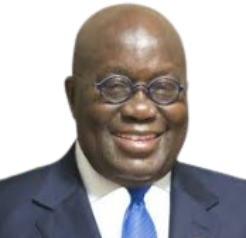
Nana Akufo-Addo & Ulrich Volz
Nana Akufo-Addo is a former president of Ghana and a member of the African Leaders Debt Relief Initiative. Ulrich Volz, Professor of Economics and Director of the Centre for Sustainable Finance at SOAS, University of London, is Co-Chair of the Debt Relief for Green and Inclusive Recovery Project.