Onome Amuge
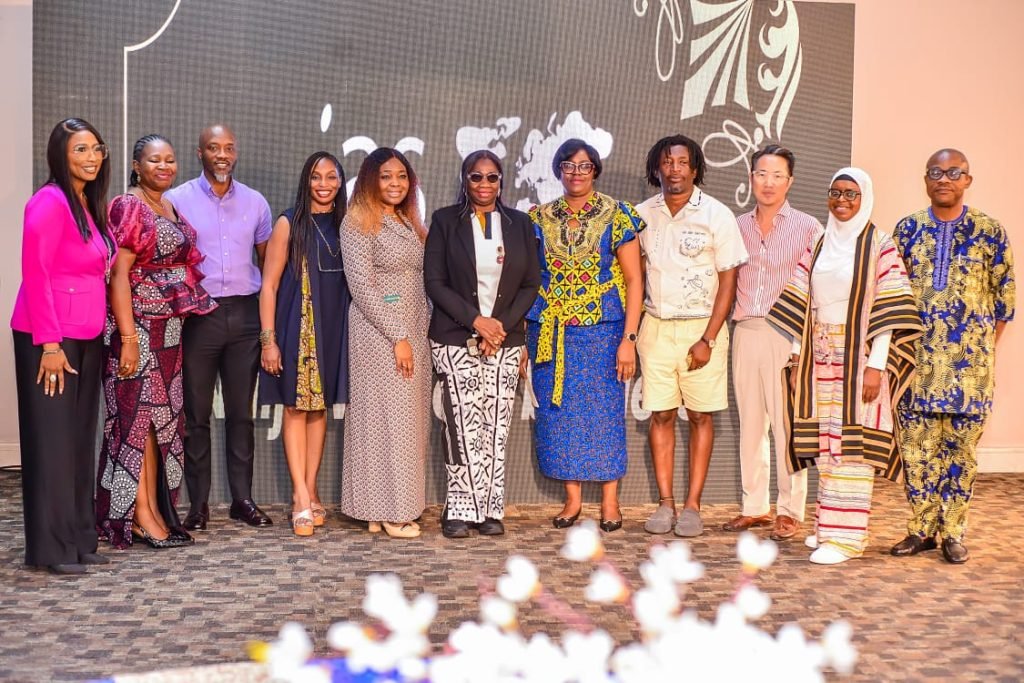
Nigeria is increasingly positioning itself as a destination where business ambition, diaspora expertise, and cross-border opportunities converge, a reality highlighted at Naija Without Borders. Hosted by the Immigration Advice Service (IAS UK-Nigeria Ltd) and billed as a business networking experience for the globally minded Nigerian, the event provided a platform for entrepreneurs, diaspora professionals, and industry leaders to collaborate, pursue professional development, and drive innovation, all supported by the legal and logistical frameworks that enable seamless international mobility.
Recently held at the Wheatbaker Hotel in Ikoyi, Lagos, Naija Without Borders reflected an emerging approach of integrating hospitality, professional networking, and global mobility among Nigerian business leaders to strengthen domestic development and international collaboration.
Central to the initiative is IAS UK-Nigeria, a UK-accredited immigration advisory firm with 15 years of experience guiding individuals and businesses through international migration requirements. The firm launched its Nigerian operations around two years ago to meet the growing demand for professional support; both for foreign investors entering the Nigerian market and for local citizens seeking to work, study, or invest abroad.
Osamede Oaiya, head of business development at IAS UK-Nigeria, told Business A.M. that bridging the gap between international legal frameworks and local regulatory requirements is central to the firm’s mission.
“Since we started operations in Nigeria, our goal has been to help foreign companies navigate the legal requirements to operate in the country, from registering their businesses to ensuring their staff have the correct documentation. We understand international laws, and at the same time, we are very comfortable with Nigeria’s immigration framework, which allows us to assist companies efficiently,” Oaiya explained.
Oaiya emphasised that education forms a crucial part of their remit. Many challenges facing Nigerians abroad, she noted, are less about resources and more about knowledge gaps. “Most of the issues that give Nigeria a bad name abroad stem from a lack of accurate information about legal processes. People sometimes end up stranded, take illegal routes, or make false statements in applications, which can have long-term personal and legal consequences,” she said.
To address this, IAS UK-Nigeria has launched free webinars and outreach programmes that provide guidance on proper immigration procedures, legal compliance, and the importance of professional advice. Oaiya highlighted the personal and emotional costs of failure: “The effects of getting it wrong are often beyond financial; they can become emotional challenges. We are trying to help people avoid that and make informed decisions,” she noted.
A central theme of the Naija Without Borders gathering was the role of the Nigerian diaspora in fostering domestic growth. Abike Dabiri-Erewa, chairman of the Nigerians in the Diaspora Commission (NIDCOM) and a three-term member of the House of Representatives, delivered a keynote address stressing innovation, youth empowerment, and diaspora collaboration.
Dabiri-Erewa noted that the diaspora holds critical skills and knowledge that can catalyse sectors beyond oil and gas. She also stressed the need to create pathways that ensure these talents contribute effectively without falling victim to legal and social vulnerabilities abroad.
The NIDCOM chairman emphasised the need for diaspora participation in education, healthcare, and sports development, while reaffirming her ongoing commitment to combating migrant smuggling.
For international business travelers, Nigeria’s global image often seems contradictory. On the one hand, infrastructure gaps, bureaucratic hurdles, and security concerns make headlines. On the other, vibrant cultural hubs, entrepreneurial dynamism, and untapped economic opportunities abound. Yen Choi, CEO of Netcom, offered insights drawn from over two decades living in Lagos.
Choi compared his Canadian hometown of Vancouver (a city consistently ranked in the global top five) to Lagos, which placed 168th out of 174 cities in similar international rankings. Yet, he noted, such rankings often fail to capture the reality on the ground.
“Lagos is ranked number 14 in the world for nightlife. What the outside world knows about Nigeria and how they rank the country is a bit of nonsense because they only want to portray the negative aspects. Nigeria is such a great country for me. ” Choi said.
Beyond lifestyle appeal, Choi emphasised economic incentives for professionals and business travelers. He highlighted the disparity between salaries abroad and the purchasing power they translate into at home. “A $100,000 salary in New York may leave you at the poverty line after taxes and rent, but in Nigeria, that same income allows you to live comfortably, invest, and grow yourself,” he said.
Choi also drew attention to the potential for industry diversification, urging Nigerians abroad to return strategically and develop sectors such as telecommunications, IT, and professional services. He compared Nigeria to India, where diaspora involvement helped establish a business process outsourcing sector contributing about 10 per cent to GDP. “In Nigeria, oil and gas dominate exports but contribute less than 10% of GDP. Opportunities in IT and telecom are massive, and we need the diaspora to bring back their skills to build industries that can match or surpass oil and gas,” he noted.
While the event highlighted opportunity, it also addressed ongoing risks. Sarah Esangebedo Ajose-Adeogun, managing partner at Teasoo Consulting, spoke on the socio-economic consequences of irregular migration among Nigerian youth. Drawing on her public service experience, Ajose-Adeogun described how educated young Nigerians often pursue risky, irregular migration routes, sacrificing jobs and assets to travel abroad illegally.
“I’ve seen people resign from their jobs, sell their cars, sell their houses to raise money to travel. And they are not traveling regularly—they are traveling irregularly,” she said. She likened these individuals to raw material,”whose potential remains underutilised abroad. “When you are abroad as an illegal immigrant, you cannot get the good jobs. People leave good-paying jobs in Nigeria to go abroad and sweep the streets… These are people with potential, education, and a bright future here,” she said.
Ajose-Adeogun highlighted the importance of accurate information and guidance in addressing irregular migration. In response, she founded a humanitarian foundation providing education and support to at-risk youth, complementing her work at Teasoo Consulting by focusing on preventive measures against human trafficking.
Lenin Ugoji, group managing director of C & I Leasing PLC, offered a complementary perspective, highlighting Nigeria’s emerging soft power. He argued that cultural influence (through music, entertainment, and creative industries), is increasingly attracting international attention, even amid infrastructural and political challenges.
“Historically, high power preceded soft power. But today, soft power precedes Nigeria. People are coming not because infrastructure is the best, but because culturally, you have sold your culture in a way that is attracting attention,” Ugoji said. He urged policymakers to develop frameworks that leverage cultural influence for economic growth and global connectivity, noting that Nigerian epicenters of culture and commerce increasingly function as international hubs.
Joseph Edgar, founder and chairman, The Duke of Shomolu Foundation echoed this view, noting that Nigerians abroad must carry themselves with integrity while maximizing their impact. The message was clear: Nigeria’s global influence increasingly depends on how its citizens operate in both domestic and international contexts.
From a business traveler and hospitality perspective, Naija Without Borders offered lessons in event design and professional engagement. The gathering blended formal panels with networking opportunities, allowing attendees to exchange ideas in a setting designed for professional interaction