
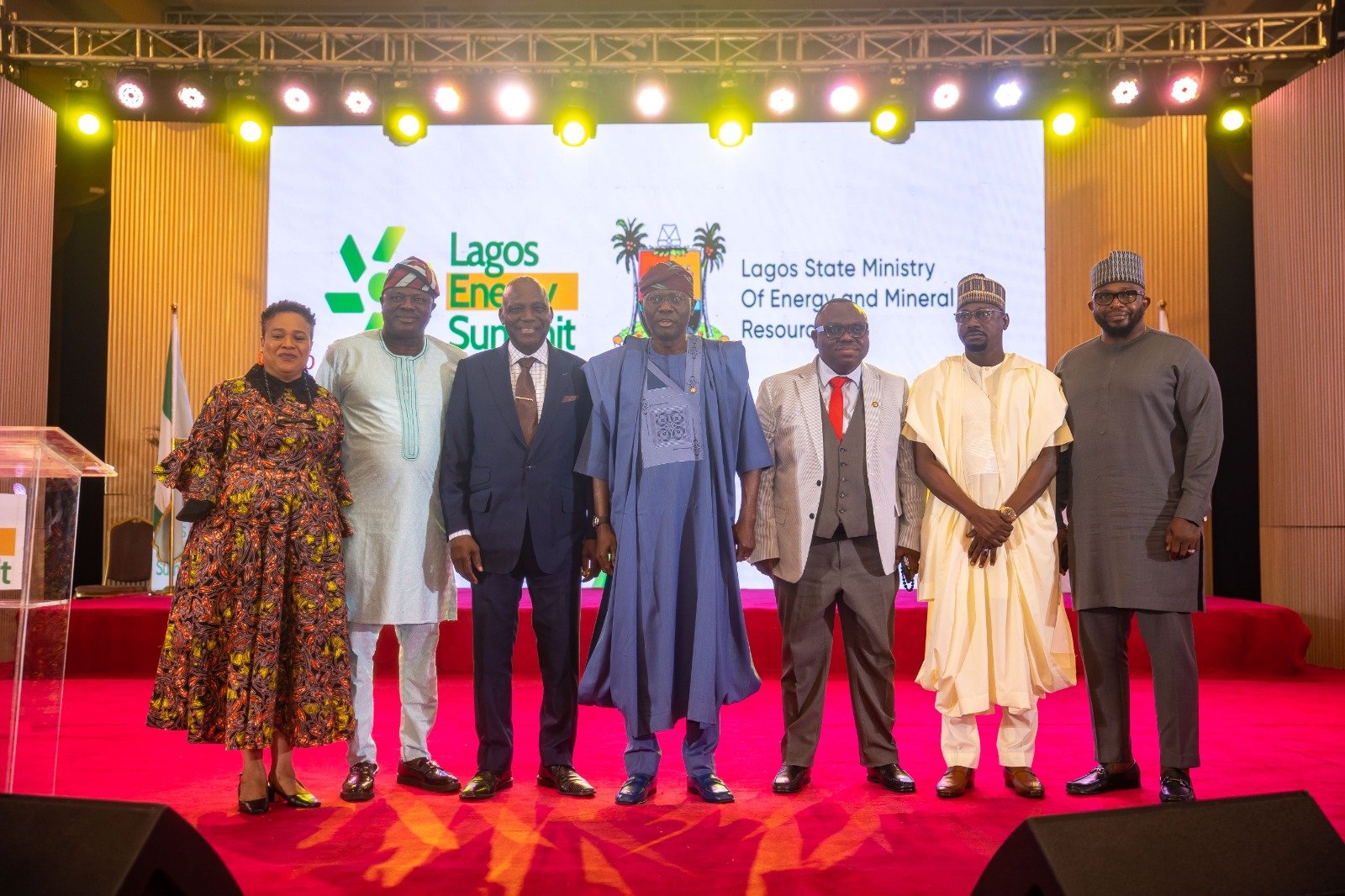
Lagos State Government, through the Ministry of Energy and Mineral Resources has announced plans for the second edition of its energy investment summit, scheduled for May 18–20, 2026 at the Lagos Oriental Hotel in Victoria Island, as policymakers seek to accelerate electricity reform and attract private capital into the state’s power market.
Officials say the summit, themed “Lagos Energy Evolution: Transforming the Future,” marks a shift from regulatory groundwork toward commercially viable project delivery following recent electricity-sector reforms designed to strengthen subnational governance and unlock investment. The focus will be on improving supply reliability, widening energy access and supporting economic expansion in Lagos, Nigeria’s commercial hub.
The summit will bring together regulators, financiers, developers and technology providers to address constraints including grid bottlenecks, persistent energy poverty and continued reliance on fossil fuels. Planned discussions include renewable deployment, decentralised generation, upgrades to distribution infrastructure and the energy requirements of a potential 24-hour urban economy.
The forum is being convened under the leadership of Governor Babajide Olusola Sanwo-Olu, with Deputy Governor Kadri Obafemi Hamzat as co-host. Biodun Ogunleye, commissioner for energy and mineral resources, is coordinating the programme alongside industry stakeholders.
Speaking ahead of the Summit, Ogunleye stated: “The event will not only review progress recorded since the enactment of the Lagos State Electricity Law but will also catalyse actionable partnerships that deliver measurable outcomes across the generation, transmission, and distribution value chains.”
According to organisers, the three-day agenda will feature plenary sessions, technical workshops, investment roundtables and business-to-business matchmaking, with anticipated outcomes including partnership agreements, project financing frameworks and new infrastructure commitments across the generation, transmission and distribution value chain.
Attendance is expected to exceed 4,000 participants, both in person and online, as Lagos State positions energy reliability as central to long-term economic competitiveness and sustainable urban growth.








AI, shrinking career ladder, and Africa’s new employment reality