- Energy per capita use low at 180kWh
- Europe is 6,500kWh;U.S. is 13,000kWh
- SA, Egypt, Algeria, Morocco use 59% energy
Africa’s energy consumption must rise three-fold by 2050, if the continent hopes to eliminate its current energy poverty, according to data from the Gas Exporting Countries Forum (GECF) at its recent meeting in Paris, France.
The intergovernmental body, while analysing the broader socioeconomic dimensions of gas development in Africa, underscored that more than 600 million Africans still lack access to electricity; and an even larger number lack clean cooking solutions. The International Energy Agency (IEA) says this represents 80 percent of the global electricity access gap.
According to the IEA, and Policy Center, African energy consumption is characterised by extremely low per-capita usage of 3.5-6 percent, compared to the global average, although the continent holds roughly 18–20 percent of the world’s population. While absolute consumption is growing, Africa faces the lowest modern energy usage per capita in the world.
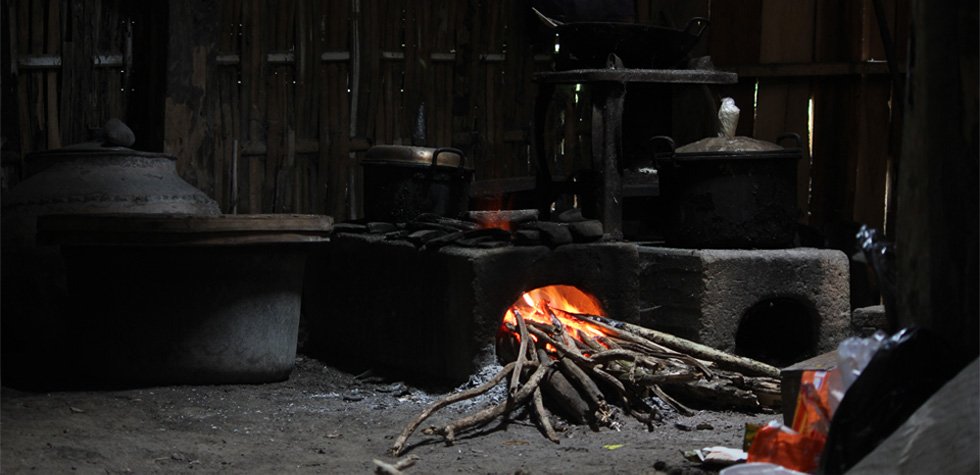
For instance, the Policy Center said the continent relies heavily on biomass. As of 2023, at least 43 percent of total final energy consumption was dominated by biofuels and waste (wood, charcoal, animal waste), primarily for cooking and heating. Also, despite high potential for renewables, the continent’s modern energy sector is heavily reliant on hydrocarbons, with oil and gas representing 74 percent of hydrocarbon consumption in 2024.
Data (2024–2025) from the IEA on Africa energy consumption vs. world average and other regions indicate that the continent has the lowest per capita energy consumption standing at roughly 13.9 GJ in 2024 against a global average of 72.6 GJ. Also, the IEA says Africa accounts for only 3.1 percent of global electricity demand.
Against North America and Europe, sub-Saharan Africa (excluding South Africa) per capita energy consumption is roughly 180 kWh compared to approximately 13,000 kWh in the U.S, and 6,500 kWh in Europe. For Asia, electricity consumption was 70 percent higher than Africa, while India consumed half more than what Africa did in 2023.
Furthermore, the IEA indicates that while Africa’s energy consumption has grown over the last decade, it is rising from a very low base. Electricity use increased by 3.7 percent in 2024, nearly matching the global demand growth of 4.0 percent. To meet development goals and universal energy access, energy spending on the continent needs to more than double by 2030.
Additionally, a massive portion of the continent’s energy is consumed by only four nations—South Africa, Egypt, Algeria, and Morocco—which accounted for 59 percent of the continent’s total energy demand in 2024.
However, Phillip Mshelbila, the secretary general of GECF, said the low energy consumption situation (in Africa) throws up a dual opportunity for (potential) investors: capitalising on export‑oriented LNG projects, while supporting solutions that address chronic domestic shortfalls.
The GECF’s engagement with global forums ― from the G20 energy transition working group (ETWG) to continental leadership dialogues ― reinforced its advocacy for gas as both a transitional and long‑term energy source that can support industrialization, electrification and lower‑emission outcomes relative to other fossil fuels.
At the forthcoming Invest in African Energy (IAE) 2026 meeting, Mshelbila will be providing potential gas investors a clearer view of how producer coordination, policy alignment and investment frameworks are evolving across Africa’s gas sector.
As governments and international partners navigate security risks, financing constraints and regulatory complexities, these dynamics are increasingly shaping how projects move from discovery to development, the GECF said.
The intergovernmental group will be playing a central role in global gas dialogue, with its secretary general Mshelbila providing perspective that will place African developments within the broader push to diversify global supply chains amid geopolitical shifts and rising demand in Europe and Asia ― insights that are directly relevant for investors evaluating new opportunities across the gas value chain.
The IAE 2026 edition scheduled for April, provides an exclusive forum designed to connect African energy markets with global investors, serving as a key platform for deal-making in the lead-up to African Energy Week. The event in Paris will provide delegates with in-depth engagement with industry experts, project developers, investors and policymakers.