Nigeria’s electricity sector is often described in the language of failure: inadequate generation, weak transmission, poor distribution, tariff disputes, and recurring blackouts. Those concerns are real, but they do not tell the full story.
Behind the visible dysfunction lies one of Africa’s largest underdeveloped infrastructure markets. For investors, developers, and ambitious state governments, Nigeria’s power deficit is more than a national challenge — it is a significant commercial opportunity defined by visible demand, paying customers, and multiple entry points for capital.
For policymakers seeking industrial growth, jobs, and higher Internally Generated Revenue (IGR), electricity may be the most powerful economic lever currently available. In short: where many see only crisis, prepared capital sees value.
Large economy operating below energy potential
Nigeria is home to more than 220 million people and one of the world’s fastest-growing populations, with a GDP of approximately ₦441.5 trillion ($315 billion). Every year, new housing estates, factories, logistics hubs, hospitals, and digital businesses increase the demand for reliable electricity. Yet, supply remains far below national requirements.
Nigeria’s installed grid-connected generation capacity is frequently cited above 13,000 megawatts (MW). However, actual available generation often ranges between 3,500 MW and 5,500 MW, constrained by gas shortages, transmission bottlenecks, maintenance issues, and recurring grid instability.
The Nigerian Electricity Regulatory Commission (NERC) 2025 quarterly reports indicate peak demand levels between 6,000–7,200 MW— materially above actual delivered supply. In practical terms, millions of households and businesses are simply excluded from formal demand calculations because they lack access to a reliable connection. The visible shortage understates the real market.
Understanding the scale through per-capita power use
Another way to understand Nigeria’s opportunity is through electricity consumption per person. Recent estimates suggest annual electricity consumption per capita in Nigeria is roughly 150 to 180 kilowatt-hours (kWh).
For context:
• The average Egyptian consumes more than ten times this figure.
• The average South African consumes more than twenty times as much.
These differences reflect stronger industrial activity and deeper productive use of energy. For a country seeking rapid industrialisation, Nigeria’s current level is economically restrictive.
The “Egypt Benchmark”
If Nigeria were to reach Egypt’s current electricity intensity (roughly 2,000 kWh per person), total annual demand could rise toward 440 billion kWh — compared with the roughly 35 billion kWh currently implied. Meeting that scale of demand would require 60,000 MW to 80,000 MW of dependable installed capacity.
Nigeria requires many multiples of today’s available capacity merely to approach the lower range of its peer developing economies. This is not merely an infrastructure gap; it is one of the largest future power market opportunities in the emerging world.
The $100 billion market requirement
Building the generation, transmission, and distribution systems required to reach that intensity would require a total investment ranging from $70 billion to $150 billion over time. This capital will likely be mobilised through a mix of:
• Private investors & institutional capital
• Domestic banks & Pension Funds
• Development Finance Institutions (DFIs)
• State Governments & Sovereign-Backed Vehicles
• Diaspora Capital & Public-Private Partnerships (PPPs)
Seen through this lens, the shortfall is a multi-decade infrastructure investment market.
Consumers are already paying (inefficiently)
One of the most misunderstood features of the Nigerian market is the “ability to pay”. Consumers are not refusing to pay for power; they are already paying — just inefficiently. Households and businesses spend billions annually on:
• Diesel and petrol generators
• Inverters, batteries, and solar backups
• Complex fuel logistics and constant maintenance
The cost of “Self-Generation” vs. The Grid:
• Grid (Band A): Ranges from ₦206/kWh to ₦225/kWh.
• Diesel Generation: Effectively ₦550/kWh to ₦650/kWh (including maintenance and replacement).
• Small Petrol Units: Effectively ₦650/kWh to ₦900/kWh.
This reveals a crucial market truth: The issue is not an inability to pay, but a willingness to pay for value. The commercial opportunity lies in delivering reliable electricity at a lower total cost than the expensive alternatives customers currently endure.
Where investors can win
Nigeria’s power opportunity spans multiple investable segments across different capital sizes:
1. Distributed Solar & Battery Markets: Residential and commercial storage.
2. Embedded Power: Reliable solutions for industrial clusters.
3. Mini-Grids: Community-based power for underserved areas.
4. Metering & Efficiency: Infrastructure to reduce commercial losses.
5. Energy Services: Operations, maintenance, and technical consulting.
Power as a State “Economic Weapon”
For governors, electricity is no longer just a utility; it is a competitiveness issue. States that solve power constraints faster will attract the lion’s share of:
• Manufacturing and agro-processing investment.
• Warehousing, logistics, and technology hubs.
• Higher PAYE collections and increased land values.
The Electricity Act 2023 has opened a window for states to move beyond waiting for national outcomes. Ambitious governments can now create investor-friendly markets through clear state laws, fast-track approvals, and demand aggregation.
Conclusion
From constraint to competitive advantage
Nigeria does not suffer from a lack of demand; it suffers from fragmented execution. Where some see only outages, disciplined investors see underpriced opportunities. Where some see only crisis, strategic governors see a route to a lasting legacy of prosperity.
In this sense, the darkness has become more than a problem — it is a signal. Those who interpret that signal correctly will shape the next decade of growth.
Next, Part 2 — Where the Real Opportunities in Solar, Gas, and Hydro Now Lie.
MASAH EMMANUEL IKUS
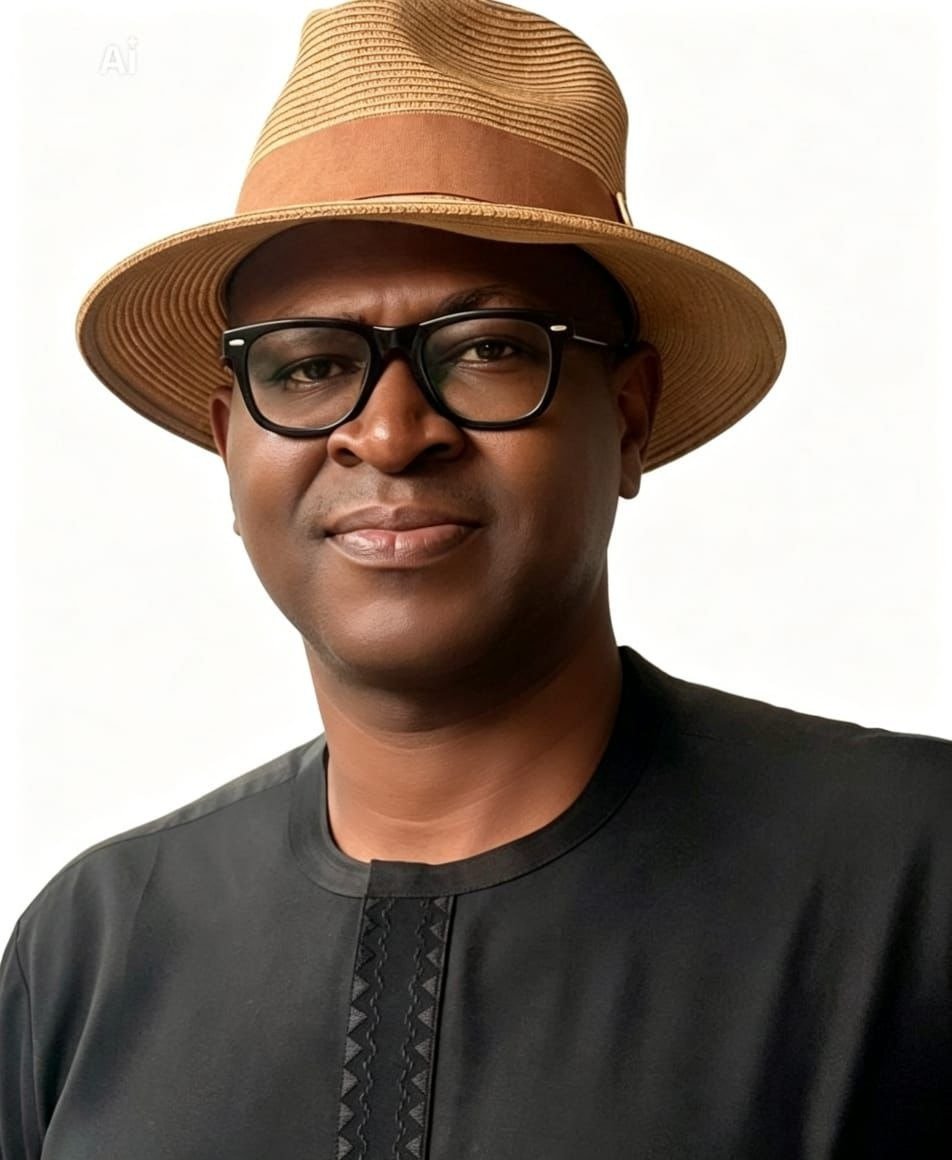
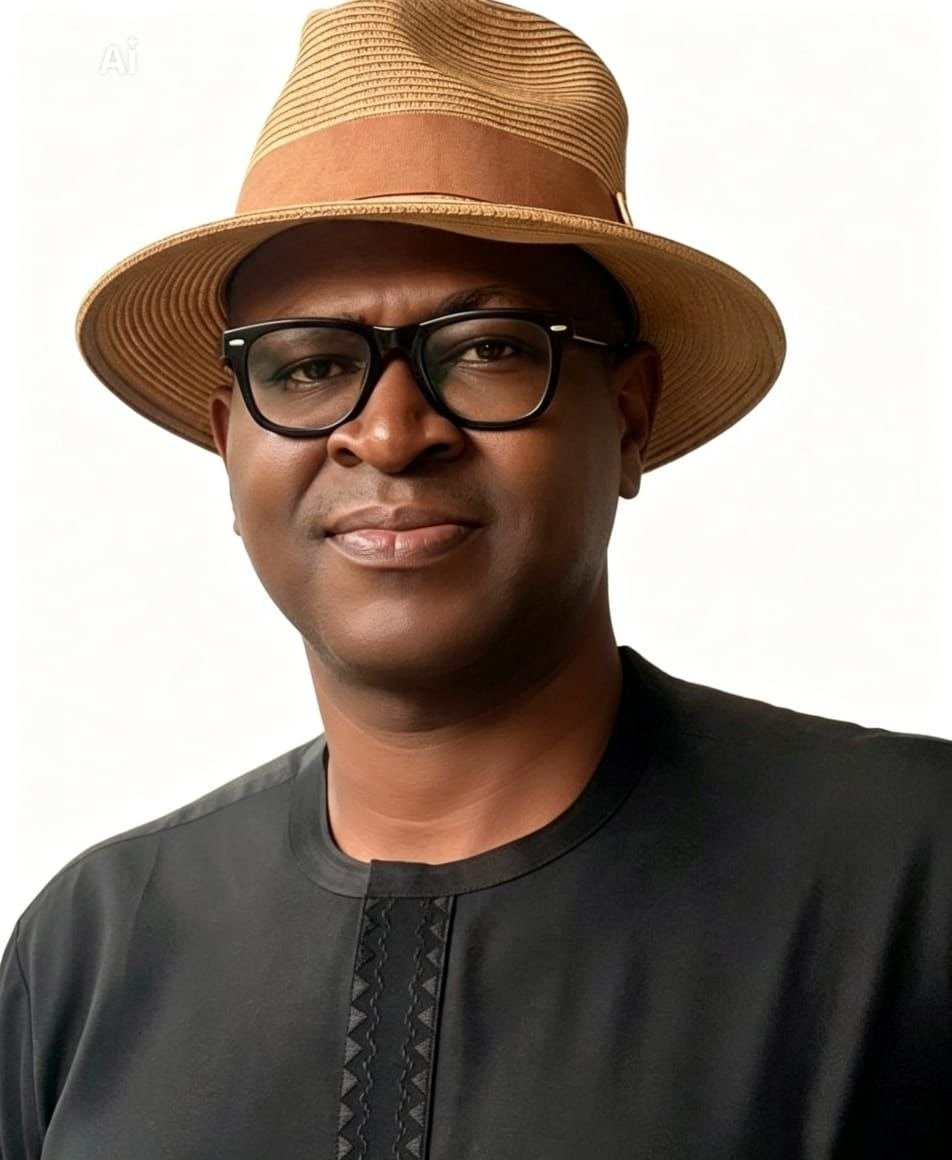
Masah Emmanuel Ikus is a Power and Energy Infrastructure Strategist and the Principal Consulting Partner at EMI Resources Limited. A University of Lagos-trained Electrical Engineer with an EMBA from Lagos Business School, he possesses over 27 years of experience managing complex infrastructure projects across the ICT, Oil & Gas, and Power sectors, specialising in the design of decentralised power systems and solar integration. He currently advises investors, project sponsors, and public institutions on leveraging Nigeria’s energy deficit into bankable commercial opportunities. He can be contacted via masahikus@gmail.com
- business a.m. commits to publishing a diversity of views, opinions and comments. It, therefore, welcomes your reaction to this and any of our articles via email: comment@businessamlive.com
Masah Emmanuel Ikus is a Power and Energy Infrastructure Strategist and the Principal Consulting Partner at EMI Resources Limited. A University of Lagos-trained Electrical Engineer with an EMBA from Lagos Business School, he possesses over 27 years of experience managing complex infrastructure projects across the ICT, Oil & Gas, and Power sectors, specialising in the design of decentralised power systems and solar integration. He currently advises investors, project sponsors, and public institutions on leveraging Nigeria’s energy deficit into bankable commercial opportunities. He can be contacted via masahikus@gmail.com