Oluwadarasimi Omiyale
As major aviation markets accelerate investments in next-generation air traffic control systems to improve safety, efficiency, and capacity, industry stakeholders say Nigeria risks falling further behind unless significant investments are made in modernising its aviation infrastructure.
The growing gap has come into focus following ongoing air traffic control (ATC) modernisation programmes in the United States and other advanced aviation markets, where regulators are replacing ageing communication, surveillance, and flight management systems to accommodate rising air travel demand and improve operational efficiency.
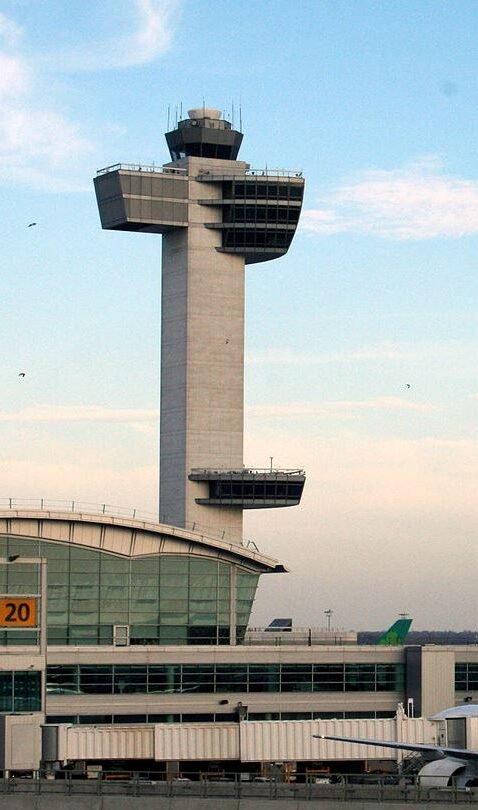
Air traffic control systems play a major role in aviation by directing aircraft movements both in the air and on the ground, coordinating take-offs, landings, and flight routes to ensure safe and efficient operations.
In the United States, the Federal Aviation Administration (FAA) is implementing a phased modernization programme aimed at upgrading radar systems, communication networks, and digital flight management technologies without disrupting ongoing flight operations.
According to aviation authorities, the gradual approach allows continuous air traffic flow while legacy infrastructure that has served the industry for decades is systematically replaced with more advanced technology.
Industry operators and aviation experts have repeatedly highlighted the need for increased investment in air navigation systems, airport infrastructure, and capacity expansion to support the country’s growing aviation market.
The Nigerian Airspace Management Agency (NAMA), responsible for providing air navigation services, continues to manage flight operations across major gateways including Lagos, Abuja, Port Harcourt, and Kano. While safety standards have remained a regulatory priority, stakeholders argue that technology upgrades must accelerate to meet evolving global aviation requirements.
The Nigerian Civil Aviation Authority (NCAA) has consistently emphasised the importance of maintaining international safety standards while supporting modernization initiatives across the industry.
Despite these efforts, operational bottlenecks remain evident at several high-traffic airports, particularly during peak travel periods when congestion, flight delays, and capacity constraints place pressure on existing infrastructure.
Major aviation hubs such as Murtala Muhammed International Airport in Lagos and Nnamdi Azikiwe International Airport in Abuja continue to dominate discussions around sector expansion, operational efficiency, and infrastructure renewal.
Aviation analysts note that the contrast between modernisation efforts in advanced economies and infrastructure realities in emerging markets underscores the growing importance of technology investment as a competitive necessity rather than a discretionary expenditure.
According to industry experts, future growth in Nigeria’s aviation sector will increasingly depend on the ability of operators and regulators to deploy modern air traffic management systems, strengthen technical capacity, and expand critical infrastructure.