Nigeria has launched a Sustainable Aviation Fuel (SAF) programme as part of efforts to reduce carbon emissions in the aviation sector while opening new opportunities for investment, job creation and industrial development.
The programme was unveiled recently in Abuja during a high-level meeting organised by the Nigerian Civil Aviation Authority (NCAA) in partnership with the International Civil Aviation Organization (ICAO), the European Union (EU) and the European Union Aviation Safety Agency (EASA).
The event featured the inauguration of a seven-member National High-Level Sustainable Aviation Fuel Steering Committee, the presentation of Nigeria’s Sustainable Aviation Fuel Feasibility Study and the launch of the ICAO-supported Sustainable Aviation Fuel Business Implementation Study.
Festus Keyamo, minister of aviation and aerospace development, said the steering committee will coordinate the implementation of Nigeria’s sustainable aviation Fuel programme, strengthen cooperation among relevant government institutions and provide policy direction for the initiative.
Represented by Mohammed Ahmed Tijani, the director of air transport management, the minister said sustainable aviation fuel offers Nigeria an opportunity to reduce greenhouse gas emissions while attracting investment, creating jobs, improving energy security and expanding economic activities linked to agriculture, energy and manufacturing.
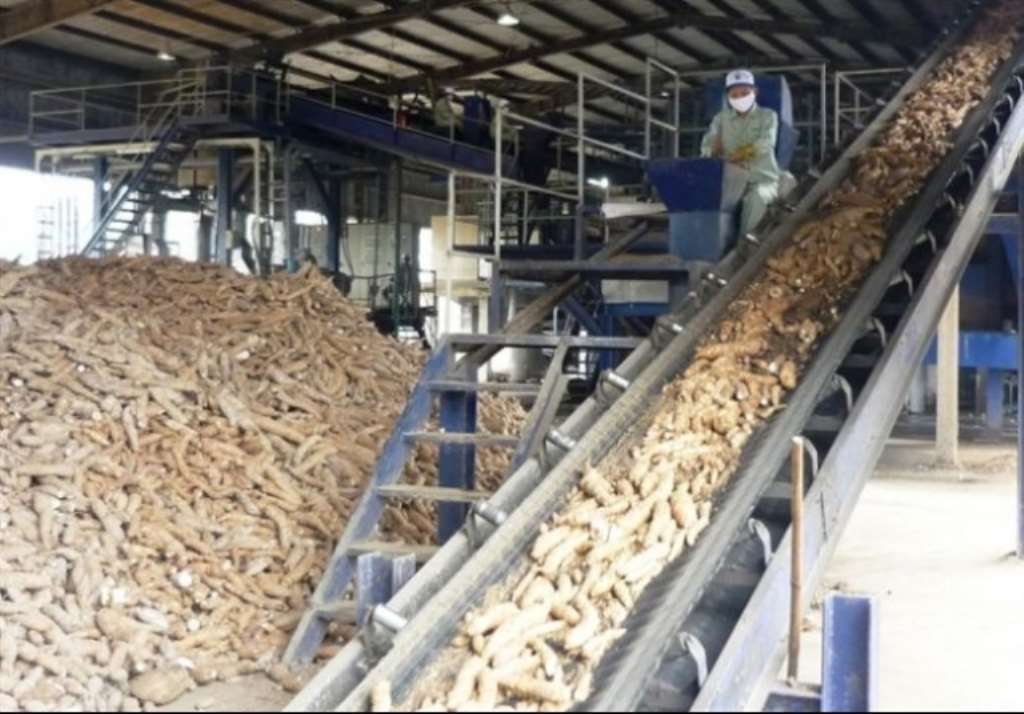
He said Nigeria’s large cassava production, agricultural residues, growing refining capacity and technical expertise provide the country with the resources needed to develop a sustainable aviation fuel industry capable of serving both domestic and international markets.
Keyamo also assured investors that the Federal Government would provide the policy support and regulatory framework needed to encourage private sector participation in the emerging industry.
Chris Najomo, director-general of the NCAA, said the feasibility study marks the country’s transition from planning to implementation. He explained that the study was developed under ICAO’s Assistance, Capacity-building and Training for Sustainable Aviation Fuels (ACT-SAF) programme with funding from the European Union and technical support from EASA.
Najomo said the study provides the technical foundation for converting Nigeria’s feedstock resources into commercially viable sustainable aviation fuel production. He added that the NCAA would coordinate implementation of the programme through the steering committee.
Haruna Abdullrahman, managing director of NNPC New Energy Limited, said demand for sustainable aviation fuel is expected to grow steadily as countries work towards global net-zero emission targets. He said Nigeria should move quickly to develop local production capacity and position itself as a supplier to the African aviation market.
Officials of ICAO, the European Union, EASA and representatives of the Ministries of Agriculture, Petroleum Resources and Innovation also attended the meeting and reaffirmed their support for Nigeria’s Sustainable Aviation Fuel programme.
The federal government said the initiative forms part of its efforts to build the aviation industry while creating new opportunities across agriculture, energy, manufacturing and air transport.