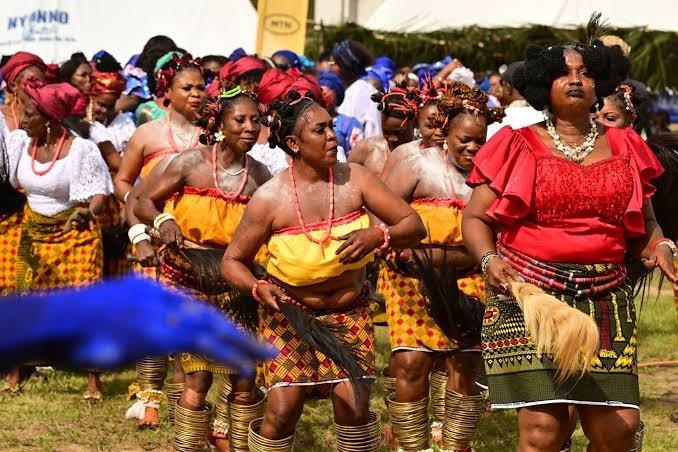
Cross River State is seeking to turn the annual Leboku International New Yam Festival into a wider tourism and business opportunity by positioning Yakurr’s waterfalls, landscapes and cultural heritage as year-round attractions for visitors.
The state government is encouraging tourists attending the festival to extend their stay in Yakurr Local Government Area and explore attractions beyond the annual cultural celebration, with the aim of generating wider economic activity for communities and businesses.
Obi Ayuk, commissioner for tourism, arts and culture, made the call during the 2026 Leboku International New Yam Festival at Ugep Peace Stadium in Yakurr.
Ayuk said Yakurr had tourism assets capable of attracting visitors beyond the festival period, including waterfalls, natural landscapes, traditional arts, music and indigenous cultural practices.
“Rooted in Culture, Growing in Prosperity,” the theme of this year’s festival, underscored the link between cultural preservation and economic opportunity.
Festival traffic to year-round tourism
The state is looking to convert the visibility created by Leboku into sustained visitor traffic by connecting the festival experience with Yakurr’s wider tourism offering.
The 2026 celebration, held on August 24, attracted traditional rulers, government officials, cultural groups, indigenes and visitors, with activities including traditional rites, music, dances, cultural costumes and pageantry.
Ayuk urged communities and other stakeholders to collaborate in preserving Yakurr’s cultural heritage while creating a welcoming environment for tourists.
He said peace and hospitality remained critical to the development of tourism in the area, urging residents to maintain conditions that would encourage visitors to explore the community.
As part of preparations for the festival, the Cross River Ministry of Tourism, Arts and Culture undertook cleaning and beautification activities at selected tourism locations, including Ekumini Waterfall.
The intervention was aimed at improving the environment around the attraction and encouraging visitors to include the site in their festival and tourism itineraries.
The move highlights the importance of basic tourism infrastructure and destination management in converting natural attractions into commercially viable visitor destinations.
While the state has natural and cultural assets, sustained tourism revenue depends on how effectively those assets are maintained, packaged and connected to the businesses that serve visitors.
The festival also provides an economic platform for Yakurr, where cultural activities intersect with agriculture and other community-based businesses.
The New Yam Festival is rooted in the agricultural calendar, creating opportunities for local producers and traders while drawing visitors to the area for cultural experiences.
The state government’s push is therefore aimed at expanding the economic value generated by the festival from a once-a-year cultural gathering into a catalyst for destination tourism and local enterprise.
A stronger connection between the festival and nearby attractions could encourage visitors to spend more time in Yakurr and distribute tourism income across a wider range of businesses.
Ayuk’s emphasis on preservation also places cultural heritage at the centre of the state’s tourism development strategy.
Traditional arts, music, costumes, rituals and cultural practices provide part of the visitor experience, but their commercial value depends on maintaining their authenticity while creating sustainable ways for communities to benefit.
The commissioner called for collective responsibility among residents and stakeholders to protect Yakurr’s heritage and improve the visitor experience.