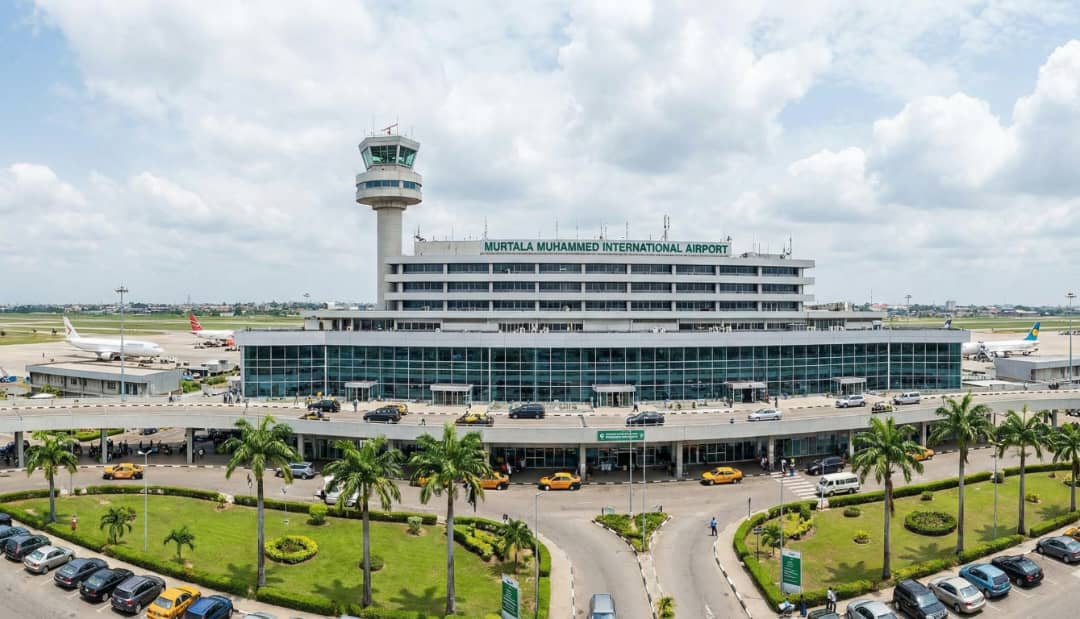
Airport cab operators at Nigerian airports have appealed for a phased extension to meet FAAN’s October deadline, while warning that the high cost of newer vehicles could collapse businesses and destroy over 300 jobs.
The operators who include 17 licensed car-hire companies said vehicles meeting the requirement could cost between N15 million and N18 million making it difficult for some businesses and drivers to replace their existing fleets before the deadline.
Prince Amosola, the chairman of the Airport Cab Operators said operators were not opposed to upgrading their vehicles but needed more time to raise funds and replace their fleets gradually, the operators said the requirement affects vehicles manufactured before 2012, while they are also facing higher fuel maintenance and airport operating costs.
Amosola said each of the 17 companies had more than 50 vehicles but that operators were being required to reduce their fleets to 30 vehicles per company. He said the combination of the vehicle-age requirement and fleet reduction could put additional pressure on businesses already competing for a limited number of airport passengers.
The operators also questioned whether the investment required to acquire newer vehicles could be recovered from airport trips, pointing to rising fuel costs and other operating expenses.
They said some existing vehicles had been acquired through hire-purchase arrangements, making it difficult for operators to take on another large financial commitment before completing payments on their current vehicles.
The operators have appealed for more time to comply with the vehicle upgrade requirement with some proposing a lower manufacturing-year threshold to allow a longer transition period.
FAAN has maintained that the vehicle upgrade policy is aimed at improving the safety comfort and quality of airport transport services. The authority has also previously said operators were given extensions to allow them more time to comply.
With the October deadline approaching the operators are now asking for a longer transition period, that immediate enforcement could force some businesses out of the airport transport market and affect the workers dependent on them.