Shelter Afrique Development Bank (ShafDB) is turning to West African investors to help finance one of the region’s most persistent economic challenges: a housing shortage estimated at 3.5 million units, with another 250,000 homes needed annually to keep pace with population growth and urbanisation.
The pan-African housing finance institution has launched its first sustainable bond issuance worth FCFA60 billion, approximately $100 million, seeking to mobilise domestic and regional savings for affordable, sustainable and energy-efficient housing projects across the West African Economic and Monetary Union (WAEMU).
The transaction, which opened for subscription on October 7 and runs until October 30, 2026, is structured in two tranches, including a five-year bond carrying an annual interest rate of 6.10 per cent and a seven-year tranche at 6.30 per cent.
CGF Bourse Dakar is acting as lead arranger, with the International Finance Corporation (IFC) and Ecobank Group, through Ecobank Senegal, serving as anchor investors.
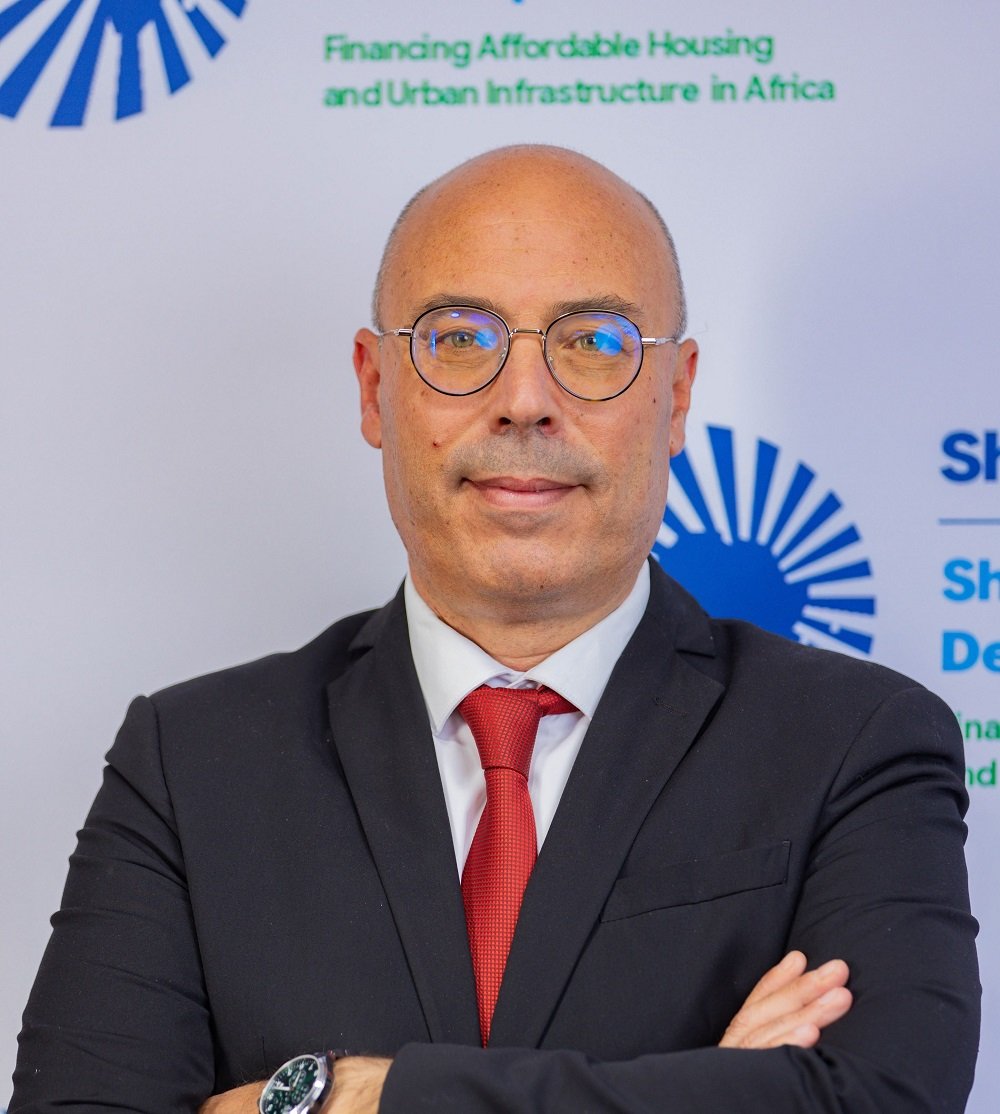
“Our ambition is not simply to raise capital, but to build a more diversified and resilient financing platform for housing and urban development across Africa,” said Nabil Mahfoudh, director of treasury at ShafDB.
“Deepening our presence in West African capital markets allows us to connect local savings with urgent development needs within the region and to deploy financing in the same currency that local developers earn their income,” he added.
The bond comes as the scale of the housing deficit across the WAEMU region continues to place pressure on governments, developers and financial institutions to find funding structures capable of supporting long-term residential construction.
Estimates cited by the World Bank Group put the region’s housing deficit at approximately 3.5 million units, with about 250,000 additional homes required annually. The shortfall highlights the difference between the pace of housing supply and the requirements of expanding populations and urban centres.
Closing that gap requires more than increasing the number of construction projects. Developers need access to financing with maturities that reflect the time required to build, sell or rent properties and generate sufficient cash flow to service debt.
Currency exposure adds another layer of risk where property developers earn revenues in local currency but borrow in a different currency. If the value of the currency in which revenues are earned weakens against the currency of the loan, debt servicing can become more expensive even when the underlying project remains operational.
ShafDB’s decision to raise FCFA-denominated resources is intended to help address that mismatch by aligning the currency of financing with the revenues generated by projects in the regional market.
The sustainable bond is also significant for ShafDB’s funding strategy as it seeks to diversify its sources of capital and reduce dependence on a narrower range of financing channels.
The institution is pursuing a transformation into a pan-African multilateral development bank with a mandate to scale up housing and urban development financing across its 44 shareholder countries.
By tapping West African capital markets, ShafDB is seeking to mobilise regional savings for development priorities while expanding its access to institutional investors and international financial partners.
The approach is consistent with efforts to strengthen domestic and regional capital markets as a source of long-term funding for African development. Such markets can provide an additional financing channel alongside government budgets, commercial bank lending and international development finance.
The challenge is to raise capital on terms that remain commercially sustainable while ensuring that the proceeds reach projects with measurable development benefits.
The bond’s two maturity options offer investors different investment horizons, with the seven-year tranche carrying a higher stated interest rate than the five-year instrument. The rates are 6.30 per cent and 6.10 per cent, respectively.
The final cost of financing for ShafDB will depend on the transaction’s full terms and associated expenses, while the value to investors will also depend on the issuer’s credit profile, repayment capacity and prevailing market conditions.
To support the issuance, ShafDB worked with the Global Green Growth Institute (GGGI) to develop and publish a Sustainable Financing Framework.
The framework received a favourable opinion from S&P Global, according to the bank, while the transaction secured regulatory approval from the Autorité des Marchés Financiers de l’UMOA (AMF-UMOA).
The framework is intended to provide a structure for financing projects aligned with sustainable development objectives, including affordable housing and energy-efficient buildings.
The participation of the IFC and Ecobank Group, through Ecobank Senegal, as anchor investors provides an institutional foundation for the transaction.
The IFC, a member of the World Bank Group, is a major development finance institution focused on private-sector investment in emerging markets. Ecobank has an established banking presence across African markets, including the WAEMU region.
Their participation places the issuance within a broader effort to mobilise private and institutional capital for development priorities.
ShafDB said it has completed 11 bond issuances across African markets, demonstrating its experience in mobilising local-currency funding.
Its most recent issuance before the current transaction took place in Nigeria in April 2022, when it raised N46 billion, equivalent to approximately $110 million at the time, according to the institution.
The latest FCFA60 billion transaction extends that capital-markets activity into the WAEMU region and supports the bank’s stated ambition to diversify its funding base.
It also aligns with the New African Financial Architecture for Development (NAFAD), as articulated in the Abidjan Consensus, which seeks to strengthen the mobilisation of African savings and deepen the continent’s capital markets.