Business hotels are increasingly positioning conference facilities and corporate events as a major revenue driver, seeking to capture a larger share of company spending through meetings, incentives, conferences and exhibitions (MICE) rather than relying solely on overnight accommodation.
The strategy is built around the economics of corporate gatherings, which allow hotel operators to monetise ballrooms, boardrooms, catering kitchens, audiovisual equipment and event-management services within a single booking. For properties in commercial centres, the model offers an opportunity to generate revenue from multiple services while improving the utilisation of their facilities.
Corporate meetings account for 38.5 percent of total business travel market activity, according to Grand View Research, underlining the importance of meetings-related spending to the wider travel and hospitality industry.
Unlike conventional room bookings, corporate events can generate income from several sources at once. Hotels typically charge a flat venue-hire fee or a per-attendee Day Delegate Rate, while food and beverage packages, technical equipment and additional event services can attract separate charges.
These arrangements enable hotels to structure packages around client budgets, from small executive meetings and training sessions to large conferences, exhibitions and formal corporate dinners.
The revenue opportunity extends beyond the rental of physical space. Catering, equipment hire, technical support and event staffing allow hotels to capture spending throughout the event, increasing the commercial value of each corporate booking.
However, the profitability of the model depends on how effectively hotels manage operating costs, including food supplies, labour, energy, equipment maintenance and the opportunity cost of reserving space for events rather than other uses.
Industry research has highlighted the potential of event-related facilities to improve hotel earnings. JLL’s Hotels Research division has pointed to the role of catering, venue leasing and internal event services in generating strong margins, although returns vary according to property type, event size, operating costs and local market conditions.
The commercial significance of these facilities is also linked to broader economic activity. Corporate meetings and conferences tend to follow business investment, professional networking, industry events and government or institutional programmes, making demand sensitive to conditions in the wider economy.
However, delivering these events alongside regular hotel operations requires careful coordination. Events teams use space-management systems to schedule room configurations, equipment deliveries and conference activities, while banquet kitchens organise production around fixed service times. The aim is to accommodate large groups without disrupting room service, restaurant operations or the experience of other guests.
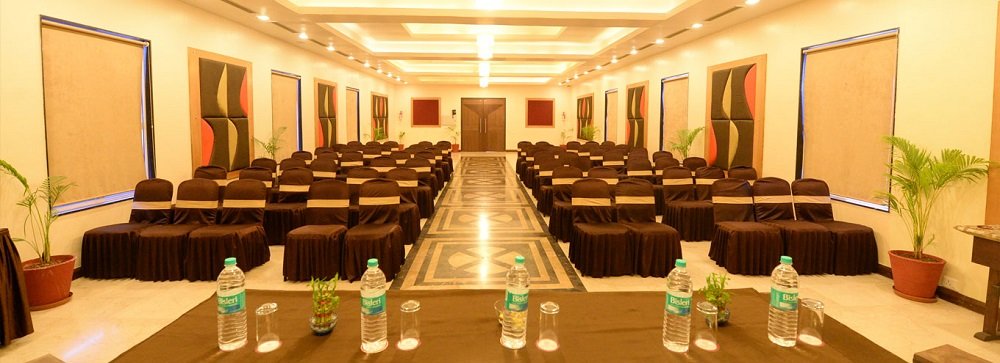
The operating model also requires investment in flexible facilities. Modular ballrooms, executive boardrooms, high-capacity audiovisual systems and dedicated technical support can help hotels accommodate different event formats and compete for larger corporate accounts.
Hotel sales teams typically target corporate travel planners, professional conference organisers, trade associations and public institutions. Preferred-vendor agreements and negotiated corporate rates can secure repeat business, although hotels must balance discounted contract pricing against the cost of delivering the required services.
As competition intensifies across the hospitality sector, conference and event facilities offer operators a way to differentiate their properties beyond room rates and location. Reports show that hotels that can combine accommodation, venue hire, catering and technical support under one roof are better positioned to attract organisations seeking to reduce the logistical burden of hosting meetings.
The broader opportunity, however, rests on more than adding conference space. Therefore, hotels need to convert available capacity into bookings, price services to reflect their costs and maintain service standards across both event and accommodation operations.