The Brookings institution appears to have successfully woken up the president, Muhammad Buhari from his deep slumber. The institution had earlier predicted that by 2030, Nigeria would have the highest number of poor people. In numerical terms, approximately one hundred and twenty Nigerians are predicted to fall into the poverty line eleven years from now. But now the president of Nigeria has resolved to make the prediction an empty one. His democracy day speech unfurled an ambitious plan to lift one hundred million Nigerians out of poverty by the year 2029. That is one year before the target year of the country’s full and final declaration as the global poverty headquarter. In any case, even without the Brookings institution reminder, Nigeria’s prosperity performance vis-à-vis its abundant natural resource endowments is shameful.
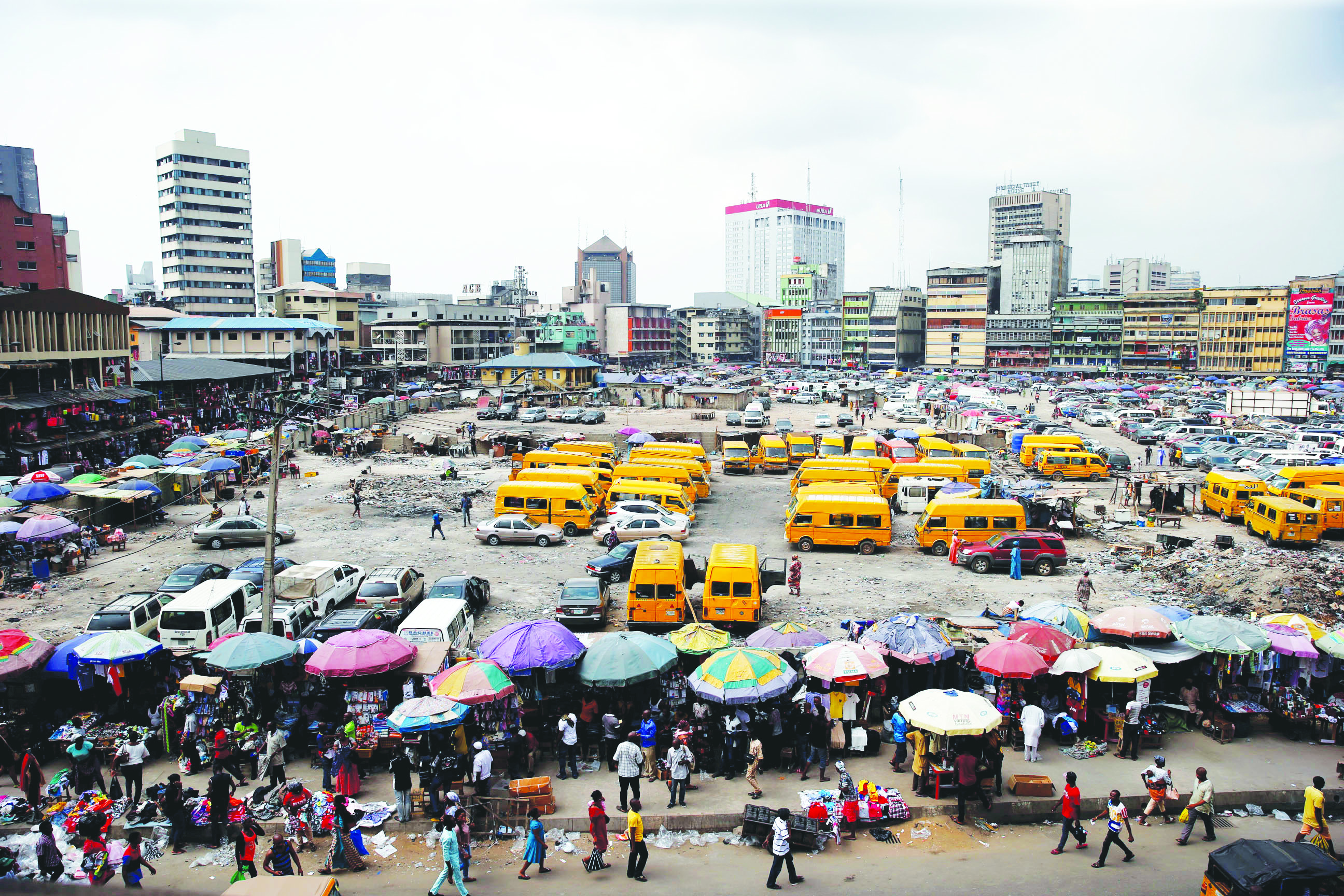
The past five years have been ignominiously remarkable in terms of the number of persons that slid into the region of poverty. The complex mix of unclear exchange rate policies and government’s crowding out of the real sector through its unceasing appetite for borrowing created a great alleyway for many Nigerians to walk back to the domain of lack. If indeed Buhari is sincere and determined to break from the trajectory of poverty creation, it means that on average of ten million Nigerians should walk out of poverty each year starting from the end of May 2020.
In other to show how determined it is on this subject, the president identified three countries to benchmark. These countries are China, Indonesia and India that have had successes reducing poverty. India, for instance, is reputed to have successfully lifted one billion poor people out of their socioeconomic status between 1990 and 2013. The world applauded this remarkable achievement. Between 2005 and 2015, no fewer than 271 million Indians were lifted out of poverty. India has not stopped at that as it is pushing on with powerful output growth performance. The poverty level in Indonesia has also been falling consistently since 1998. Their aggressive set of policies for increasing output pushed most of the poor out of poverty in the first four years. The consistent drop in poverty levels has also not abated. China, on the other hand, when taken together with India, have produced the highest global impacts in lifting people out of poverty. Four decades ago, approximately 88% of Chinese people lived below the poverty line. However, since then, the Chinese economy has practically doubled every seven years and has, therefore resulted in the lifting of the poverty of no fewer than 850 million people since then. By 2018 only about 1.8% of Chinese people live below the poverty line. Like the president said, and based on the statistics supporting the successes of the benchmark countries, it is a doable feat.
Since the recovery from the recession in July 2017, Nigeria has had eight quarters of continued growth. The question is whether growth alone is capable of delivering at least 10 million people from the morass of poverty each year until 2029. As is well-known, the growth of output alone cannot provide the desired good. This statement is particularly true when such a growth rate is weak. At an average output growth rate of 1.9%, when the population is growing at about 2.4%, it is evident that we are not producing enough. In addition to the productivity growth are two other critical ingredients, namely economic inclusion and prosperity for a country to truly show a high level of preparedness to deliver its citizens en masse from the shackles of poverty.
In the area of prosperity, It is debatable whether we can rely on the 2018 Legartum prosperity index where Nigeria climbed by three positions from its rank of 132 in 2017 to 129 in 2018. The problem surrounding that supposed improvement is the apparent inability to sustain such advancement at least going by the qualifications of the year’s performance results While the gains in the prosperity index were attributable to investments in social capital and enhancement of the environment of business, the insecurity and low levels of safety however depressed the rankings. As it stands today unless we substantially exorcise the demon of insecurity from Nigeria, it will be very wishful to think that investors would come to take advantage of the created environment of the business. And that brings us to the third complementary factor, which is economic inclusion. Nigeria, as we know it today, is replete with marginalisation: economic, political, social.
There are not equal opportunities open to Nigerians whether they are employees, entrepreneur, unemployed people, and so forth. Unequal and preferential access to opportunities characterises the Nigerian system. The fact that Nigeria’s policy deliberately favours the quota system and invariably kills meritocracy shows how far we have gone in economic exclusion.
China’s open door policy program which was the platform for the fiscal and investment reforms that resulted in the rescue of about 90% of Chinese people living below the poverty line did not happen in an environment of insecurity, militancy, hostage taking and disregard for the rule of law. China’s achievement in lifting most of this citizens out of the grim grips of poverty has much to do with its success in subjecting every person to the rule of law, provision of good security and protection for its citizens, as well as ensuring that there is accountable and responsible leadership. It was upon this foundation that the country was able to unroll the magical fiscal initiatives of trade liberalisation, the opening of the foreign investment and government transfers such as urban subsidy and rural pensions, as well as enormous incentives for its entrepreneur to operate profitably.
On a similar note, India’s highly dramatic 50% reduction in its poverty rates also did not come without sacrifice and a clear strategy. At the commencement of its intervention in 1994, Indians below the poverty line made up 45% of its population. Within eight years, this rate dropped to 22%. The first strategy constituted a set of incentives to drive strong economic growth. Various schemes were initiated to help the poor to increase the levels of food production. Of course, these were all part of a comprehensive fiscal program driven through meritocracy and highly responsible leadership.
Indonesia, on the other hand, has a robust three-step strategy for lifting its people out of the clutches of poverty. These steps comprised direct intervention in meeting the basic needs and necessities of the poor, funding of an improvement of the social and economic services of poor communities, and micro-enterprise empowerment. The micro-enterprise empowerment consisted of the provision of non-collateralised credits. In other to ensure the maximum impact of the programme, the vice president chaired the design and implementation team. Needless to say that the outcome was worth it. In the first four years of implementation, starting from 2006, the incidence of poverty declined consistently at an average of 1.2% annually, and at the rates of approximately 0.6% since 2011. It is important to note that Indonesia has a poverty reduction plan post-2015, which placed a paramount premium on making the growth process much more inclusive.
Finally, based on this on the surface review of the three benchmark country’s critical question that Nigerian policy implementers need to ask themselves is: how ready are we to deliver on this ambitious plan? It is clear that unless our leadership demonstrates high levels of accountability and take responsibility for the delivery of this ambitious project, we can as well say goodbye to it.
Accountability here should encompass the highest standards of pragmatism and entrenchments of meritocracy. Again, borrowing from the Indian model, it is evident that a noble pathway in this regards is to promote and enhance the capacity of the poor to produce more and to access more opportunities. Let us subsidise production if there is room to subsidise at all rather than the subsidisation of consumption.
Above all, none of these programs that should make for the realisation of these lofty ambitions can ever succeed in the absence of proper security and protection of the citizens across the country.
_________________________________________________________
Professor Ike-Muonso is the Africa Regional Coordinator of Baywood Foundation as well as the Chief Transformation Officer of GTI Capital Group