
Onome Amuge
Access Bank is positioning itself at the centre of Africa’s push to build a unified payments architecture, using the inaugural PAPSS COWRY 2025 Participants Forum in Lagos to argue that the next stage of the continent’s financial integration will depend less on new technology and more on establishing operational discipline, governance frameworks, and bank-to-bank cooperation across borders.
The two-day forum, convened by the Pan-African Payment and Settlement System (PAPSS), gathered regulators, central banks, commercial lenders, and payment specialists to debate what a sovereign African payment ecosystem should look like as the African Continental Free Trade Area (AfCFTA) shifts from negotiation to execution. While much of the public conversation around PAPSS has focused on speed and cost efficiency, Access Bank’s intervention at the meeting steered attention toward the structural and institutional requirements needed to sustain real-time, multi-country settlement at scale.
PAPSS, launched to enable instant cross-border payments in local African currencies, aims to break the region’s dependence on third-party settlement currencies and reduce transaction frictions that have constrained intra-African trade. But Access Bank argued that the long-term success of that vision requires coordinated adoption, common standards, and shared accountability across participating banks.
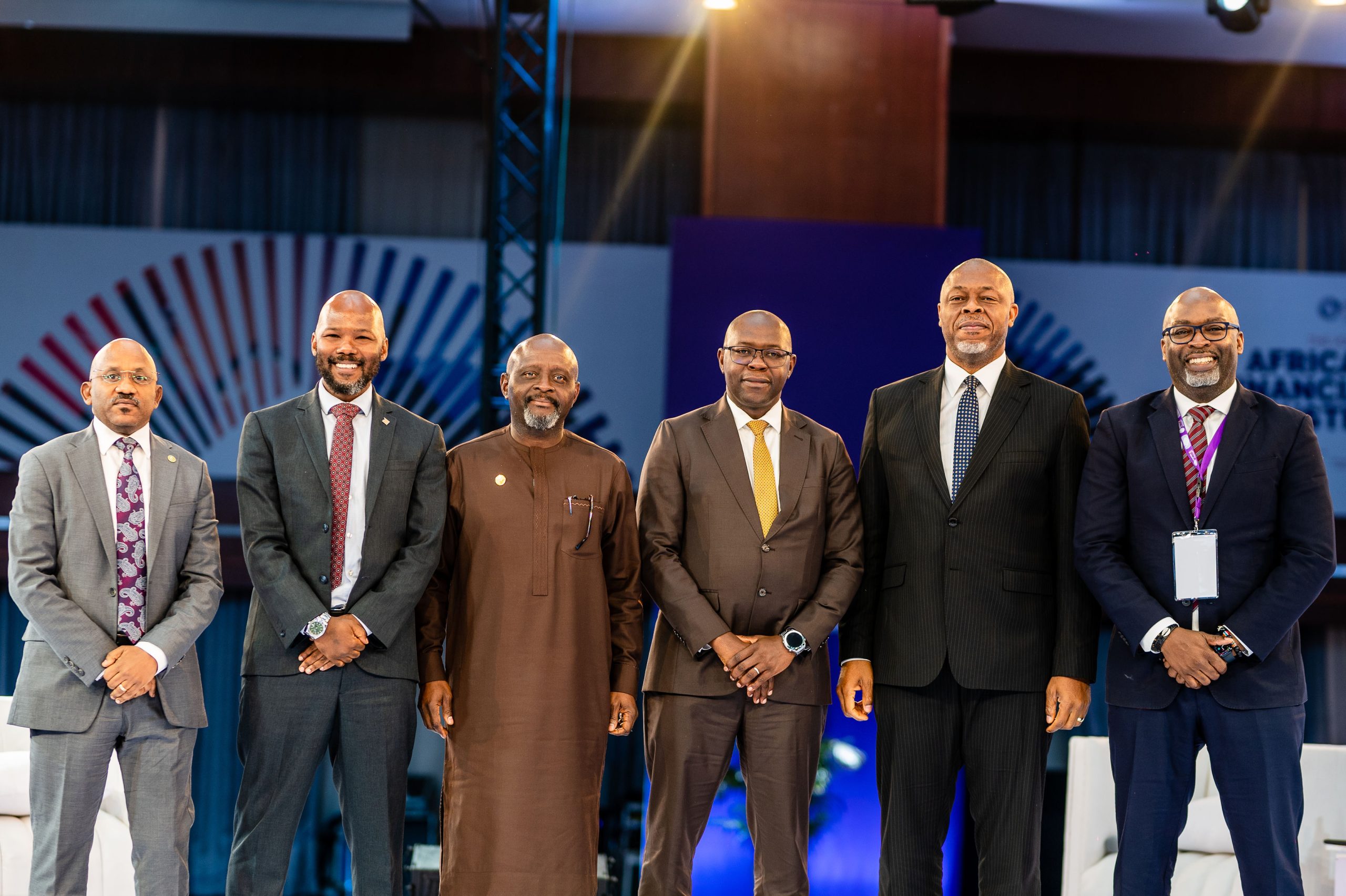
Representing the bank at the forum, Naco Bolote, head of international remittance and payments for African subsidiaries, said the conversation must expand beyond operational efficiency to include the governance principles that will keep the system reliable as transaction volumes rise. According to him, the continent risks building fragmented settlement rails if financial institutions do not align on dispute resolution frameworks, liquidity standards, and shared compliance benchmarks.
Bolote noted that Access Bank’s experience with AccessAfrica (its cross-border payments platform spanning more than 20 African corridors), has shown that speed alone does not secure customer trust or drive adoption. Predictability, regulatory harmonisation, and consistency in how counterparties manage settlement obligations are just as important, particularly for SMEs and informal-sector traders that PAPSS aims to serve.
“The progress made with PAPSS reinforces Access Bank’s commitment to real-time settlement and financial integration across Africa. But building an ecosystem that truly works for the continent means aligning on the rules that keep money moving quickly, reliably, and at scale,” Bolote said.

The bank highlighted three critical gains from PAPSS including instant local-currency settlement, reduced FX dependence, and sharply shorter transaction timelines. These benefits, Access Bank said, become more valuable when applied within a harmonised operating environment. PAPSS is already live in eight Access Bank markets, with further rollouts scheduled for 2026.
The Lagos forum also underscored a broader policy debate on whether African banks are prepared to assume greater responsibility for the continent’s financial sovereignty. As Afreximbank and the AfCFTA Secretariat push for deeper regional integration, commercial banks face rising expectations to upgrade infrastructure, redesign risk models, and invest in settlement capabilities that match global standards.
Access Bank, now active in 24 countries across three continents, is considered among a small group of African lenders with the scale to influence such standards. Its representatives at the event joined discussions on liquidity management for instant payments, compliance interoperability, and strategies for onboarding smaller banks and payment service providers.
Access Bank commended PAPSS, Afreximbank, and the AfCFTA Secretariat for championing the initiative, calling it a foundational pillar for a more connected and competitive African economy.
A wholly owned subsidiary of Access Holdings Plc, Access Bank has grown into one of Africa’s largest retail banks, with over 60 million customers, more than 700 branches and service outlets, and a workforce of more than 28,000 people distributed across Africa, Asia, and Europe. Its executives say the transition toward sovereign payment infrastructure aligns with the bank’s broader strategy to combine digital innovation, cross-border reach, and sustainable business practices to support long-term economic growth across the continent.









What will you leave when you’re gone?