Onome Amuge
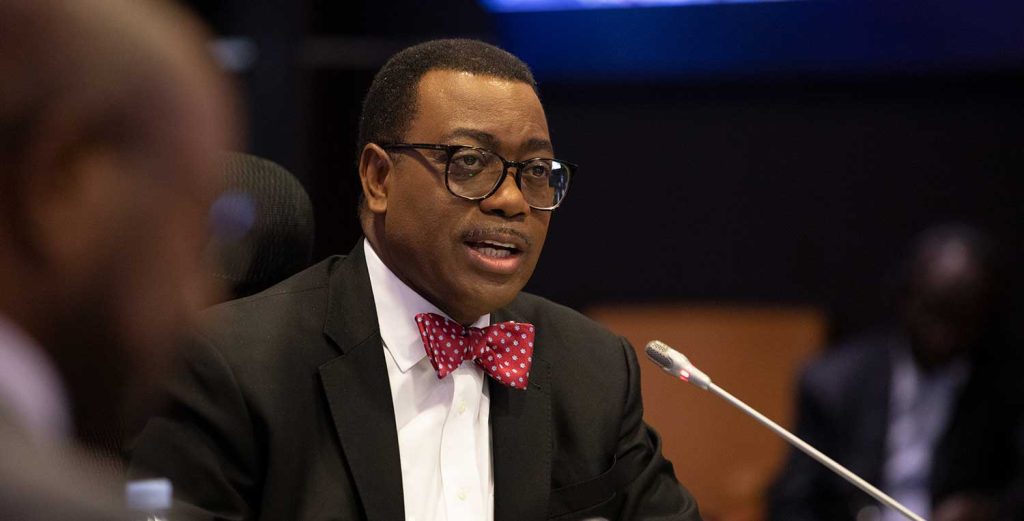
The African Development Bank (AfDB) has disclosed that Africa is losing more than $580 billion annually to a combination of corruption and illicit capital outflows. The figure, which dwarfs the continent’s infrastructure financing needs and deepens its debt woes, was highlighted by AfDB President Akinwumi Adesina as a primary headwind to economic progress.
In a recent interview with Bloomberg, Adesina used a powerful analogy to underscore the severity of the crisis. “It doesn’t matter how much water you pour into a bucket if the bucket is leaking,” he said, arguing that curbing these financial leakages is the most crucial step for the continent to safeguard its resources.
The AfDB estimates that these financial leakages amount to a loss of $1.6 billion every single day. The breakdown of this figure includes $90 billion annually in illicit financial flows, $275 billion lost through profit-shifting by multinational corporations, and $148 billion siphoned off by corruption.
This substantial drain on resources comes at a time when Africa is facing an infrastructure financing gap of up to $170 billion each year. Rather than channelling funds into development projects, many African governments are now overwhelmed by soaring debt-service costs. A joint study by the Boston University Global Development Policy Center and the Institute for Economic Justice found that debt servicing in Africa has climbed to its highest level since the debt crisis of the early 2000s, with over half of African governments now spending more on interest payments than on public healthcare.
The AfDB’s 2025 African Economic Outlook projects that Nigeria will spend 75 per cent of its revenues on interest payments in 2025, a clear sign of a high debt burden even with a relatively low debt-to-GDP ratio. While many African countries saw debt levels decline in 2022-2023 due to favourable interest-growth differentials, the AfDB cautions that this trend is vulnerable to a slowdown in economic growth or a rise in interest rates, which could easily reverse recent gains.
Adesina stressed that while access to concessional financing and debt restructuring are important, curbing corruption and illicit outflows remains the most critical step to reducing Africa’s reliance on debt and securing its financial future.