Africa in race to attract $41bn in upstream investment by 2026

Onome Amuge

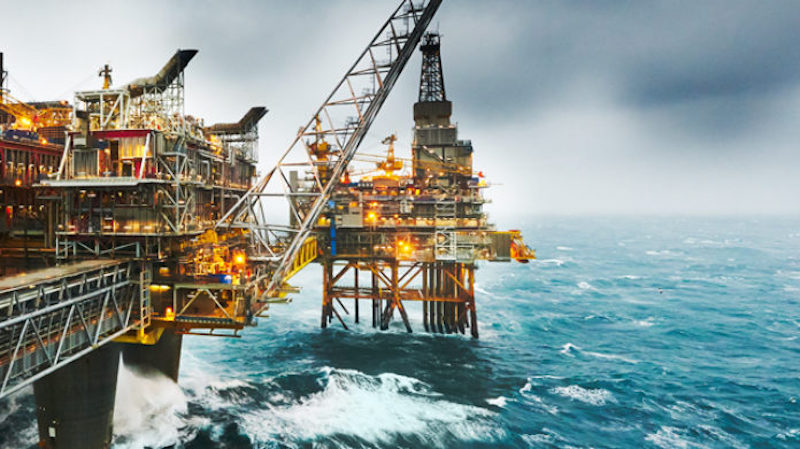
Global oil and gas investment is shifting back to high-potential frontiers, and Africa is racing to reposition itself as a prime destination for upstream capital. Analysts expect the continent to pull in $41 billion in upstream spending by 2026, but they warn that only countries able to effectively manage fast-changing political risks, fiscal reforms and geopolitical pressures will secure lasting investment.

The African Energy Chamber’s State of African Energy 2026 Outlook signals a turning point, with most African jurisdictions  projected to sit squarely in the global mid-tier for above-ground attractiveness. Yet, a wave of regulatory recalibration, licensing redesign and state-led sector restructuring is beginning to differentiate winners from laggards.

What is emerging is no longer the traditional petroleum investment story of geology versus risk. Instead, African states are being judged on how quickly they can align their political realities, social pressures and diplomatic ties with the capital demands of a transforming global E&P industry.

Europe’s historic grip on African hydrocarbon diplomacy has weakened over the years, opening space for a wider set of players including China, Russia, the U.S. and Middle Eastern sovereign investors to assert influence. Gulf financiers now shape several licensing rounds, while Chinese banks and export credit agencies continue to bankroll major LNG and pipeline projects.

This realignment is reshaping competitive dynamics across the continent. Elections in South Africa, Nigeria, Senegal, Mozambique, once viewed as purely domestic affairs, now directly influence foreign-policy positions, upstream negotiations, joint-venture structures and access to multilateral financing.

African governments are seen simultaneously seeking more value retention from hydrocarbons. This is even as local content regimes, once loosely implemented, are tightening, driven by labour unions, civil society and rising resource nationalism.

Senegal, Tanzania, South Africa, Mozambique and Namibia are among the most active in revisiting rules on state equity, domestic participation, employment quotas and indigenous contracting.

Environmental activism, especially in Namibia, South Africa and the DRC, is also becoming more coordinated, raising the reputational risks for international oil companies exploring in ecologically sensitive basins.

Competitive licensing becomes the new battleground

Notably, deepwater plays across West and Southern Africa are attracting renewed interest as majors and independents reposition their portfolios. This has triggered a wave of competitive licensing rounds in Angola, Congo Brazzaville, the DRC, Nigeria and Tanzania; many of them redesigned to be fiscally sharper and administratively faster.

As it stands, African states are tailoring offerings to a diversified investor base beyond the traditional supermajors. Middle Eastern lenders, Asian export-credit agencies and global trading houses are increasingly underwriting upstream risk where Western capital remains cautious.

For local independents, the entry of these financiers represents rising opportunity, but also higher competition.

Reforms determine who wins the capital race

According to the African Energy Chamber’s State of African Energy 2026 Outlook, Angola stands out as a model of how institutional reset translates directly into capital inflow. Since 2017, Luanda has delivered some of the continent’s most far-reaching reforms, revamping its national concessionaire, cleaning up opaque processes and offering targeted incentives for gas, marginal fields and incremental production. The result is an improved above-ground risk score and a rise of international operators returning to bid for acreage.

Nigeria, long criticised for policy drift, is also seen  pivoting. With updated terms and renewed licensing momentum, Africa’s largest producer is positioning itself for a multi-year investment recovery. The government’s plan to run its third licensing round in three years signals a break from past inertia. Early indicators such as renewed movement on Shell’s Bonga North and TotalEnergies’ Ubeta onshore gas project, indicate investors are beginning to take notice.

Mozambique, meanwhile, is cautiously stabilising. The return of TotalEnergies to the long-delayed Mozambique LNG project by late 2025 marks a significant vote of confidence, though analysts caution that onshore progress will remain hostage to security conditions in Cabo Delgado.

Namibia, Africa’s most talked-about frontier, is entering a decisive phase. Under President Netumbo Nandi-Ndaitwah, oversight of oil and gas has been centralised in the presidency, with plans for an independent regulator underway. But proposals to boost NAMCOR’s equity and tighten local content rules could slow down timelines just as the country seeks to convert headline discoveries into producing assets.

Ivory Coast continues to strike a pragmatic balance, considered investor-friendly but firm on local participation, especially offshore. The 2025 election is unlikely to derail momentum, analysts say, because the political establishment views hydrocarbons as critical to the country’s fiscal and industrial future.

Gas policy now shapes industrial strategy

Across the continent, governments increasingly treat natural gas as both an export earner and a catalyst for domestic industrialization. Angola, Congo, Nigeria and South Africa are preparing or revising gas master plans, while Tanzania re-engages LNG developers after years of negotiation deadlock.

But progress is uneven. Some flagship projects, such as Congo’s Floating LNG, are moving ahead, while others languish due to offtake disputes, pricing uncertainties or stalled legislation.

The road to Cape Town 2026

According to analysts, the stakes will come into sharper focus ahead of African Energy Week 2026 in Cape Town, where governments, NOCs and financiers will hash out the next phase of Africa’s upstream strategy. With global capital still constrained and competition intensifying from Latin America and the Middle East, African states are under pressure to consolidate reforms and demonstrate that political change will not derail investment.

“The continent offers compelling opportunities for investors who are prepared to engage in a transparent, regulated and increasingly competitive E&P landscape. The task now is balancing national priorities with investor confidence,” remarked NJ Ayuk, executive chairman of the African Energy Chamber.

As upstream spending climbs to record levels by 2026, Africa faces the challenge of turning its abundant geology into bankable opportunities and transforming political promises into enduring policies. Countries that achieve this balance will drive the next decade of African energy growth and secure the largest share of the available investment capital.

Leave a Comment

Africa in race to attract $41bn in upstream investment by 2026

Onome Amuge

Global oil and gas investment is shifting back to high-potential frontiers, and Africa is racing to reposition itself as a prime destination for upstream capital. Analysts expect the continent to pull in $41 billion in upstream spending by 2026, but they warn that only countries able to effectively manage fast-changing political risks, fiscal reforms and geopolitical pressures will secure lasting investment.

The African Energy Chamber’s State of African Energy 2026 Outlook signals a turning point, with most African jurisdictions  projected to sit squarely in the global mid-tier for above-ground attractiveness. Yet, a wave of regulatory recalibration, licensing redesign and state-led sector restructuring is beginning to differentiate winners from laggards.

What is emerging is no longer the traditional petroleum investment story of geology versus risk. Instead, African states are being judged on how quickly they can align their political realities, social pressures and diplomatic ties with the capital demands of a transforming global E&P industry.

Europe’s historic grip on African hydrocarbon diplomacy has weakened over the years, opening space for a wider set of players including China, Russia, the U.S. and Middle Eastern sovereign investors to assert influence. Gulf financiers now shape several licensing rounds, while Chinese banks and export credit agencies continue to bankroll major LNG and pipeline projects.

This realignment is reshaping competitive dynamics across the continent. Elections in South Africa, Nigeria, Senegal, Mozambique, once viewed as purely domestic affairs, now directly influence foreign-policy positions, upstream negotiations, joint-venture structures and access to multilateral financing.

African governments are seen simultaneously seeking more value retention from hydrocarbons. This is even as local content regimes, once loosely implemented, are tightening, driven by labour unions, civil society and rising resource nationalism.

Senegal, Tanzania, South Africa, Mozambique and Namibia are among the most active in revisiting rules on state equity, domestic participation, employment quotas and indigenous contracting.

Environmental activism, especially in Namibia, South Africa and the DRC, is also becoming more coordinated, raising the reputational risks for international oil companies exploring in ecologically sensitive basins.

Competitive licensing becomes the new battleground

Notably, deepwater plays across West and Southern Africa are attracting renewed interest as majors and independents reposition their portfolios. This has triggered a wave of competitive licensing rounds in Angola, Congo Brazzaville, the DRC, Nigeria and Tanzania; many of them redesigned to be fiscally sharper and administratively faster.

As it stands, African states are tailoring offerings to a diversified investor base beyond the traditional supermajors. Middle Eastern lenders, Asian export-credit agencies and global trading houses are increasingly underwriting upstream risk where Western capital remains cautious.

For local independents, the entry of these financiers represents rising opportunity, but also higher competition.

Reforms determine who wins the capital race

According to the African Energy Chamber’s State of African Energy 2026 Outlook, Angola stands out as a model of how institutional reset translates directly into capital inflow. Since 2017, Luanda has delivered some of the continent’s most far-reaching reforms, revamping its national concessionaire, cleaning up opaque processes and offering targeted incentives for gas, marginal fields and incremental production. The result is an improved above-ground risk score and a rise of international operators returning to bid for acreage.

Nigeria, long criticised for policy drift, is also seen  pivoting. With updated terms and renewed licensing momentum, Africa’s largest producer is positioning itself for a multi-year investment recovery. The government’s plan to run its third licensing round in three years signals a break from past inertia. Early indicators such as renewed movement on Shell’s Bonga North and TotalEnergies’ Ubeta onshore gas project, indicate investors are beginning to take notice.

Mozambique, meanwhile, is cautiously stabilising. The return of TotalEnergies to the long-delayed Mozambique LNG project by late 2025 marks a significant vote of confidence, though analysts caution that onshore progress will remain hostage to security conditions in Cabo Delgado.

Namibia, Africa’s most talked-about frontier, is entering a decisive phase. Under President Netumbo Nandi-Ndaitwah, oversight of oil and gas has been centralised in the presidency, with plans for an independent regulator underway. But proposals to boost NAMCOR’s equity and tighten local content rules could slow down timelines just as the country seeks to convert headline discoveries into producing assets.

Ivory Coast continues to strike a pragmatic balance, considered investor-friendly but firm on local participation, especially offshore. The 2025 election is unlikely to derail momentum, analysts say, because the political establishment views hydrocarbons as critical to the country’s fiscal and industrial future.

Gas policy now shapes industrial strategy

Across the continent, governments increasingly treat natural gas as both an export earner and a catalyst for domestic industrialization. Angola, Congo, Nigeria and South Africa are preparing or revising gas master plans, while Tanzania re-engages LNG developers after years of negotiation deadlock.

But progress is uneven. Some flagship projects, such as Congo’s Floating LNG, are moving ahead, while others languish due to offtake disputes, pricing uncertainties or stalled legislation.

The road to Cape Town 2026

According to analysts, the stakes will come into sharper focus ahead of African Energy Week 2026 in Cape Town, where governments, NOCs and financiers will hash out the next phase of Africa’s upstream strategy. With global capital still constrained and competition intensifying from Latin America and the Middle East, African states are under pressure to consolidate reforms and demonstrate that political change will not derail investment.

“The continent offers compelling opportunities for investors who are prepared to engage in a transparent, regulated and increasingly competitive E&P landscape. The task now is balancing national priorities with investor confidence,” remarked NJ Ayuk, executive chairman of the African Energy Chamber.

As upstream spending climbs to record levels by 2026, Africa faces the challenge of turning its abundant geology into bankable opportunities and transforming political promises into enduring policies. Countries that achieve this balance will drive the next decade of African energy growth and secure the largest share of the available investment capital.

[quads id=1]

Get Copy

Leave a Comment