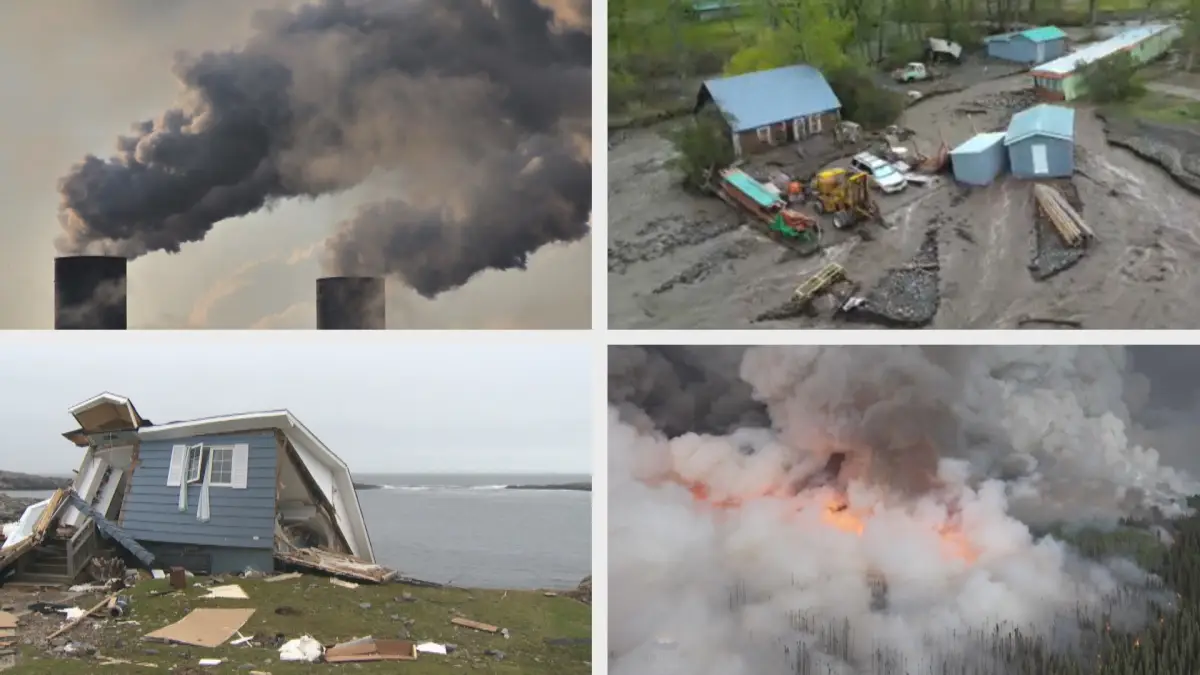
Across Africa, every farming season now begins under growing uncertainty. In Nigeria and other parts of the continent, rainfall patterns have become increasingly unpredictable, arriving either too early, too late, or with destructive intensity capable of erasing months of agricultural effort within hours.
For millions of smallholder farmers, these climate shocks are no longer rare anomalies, they have become recurring, devastating realities. Floods, droughts, extreme heat, and erratic weather patterns are reshaping economic outcomes, threatening food security, and exposing the vulnerability of entire communities that rely on farming for their livelihoods.
According to the 2025 Current State Report of the Nairobi Declaration on Sustainable Insurance (NDSI), African insurers are increasingly positioning themselves as frontline actors in building resilience against these climate risks, with $52 billion in assets linked to environmental, social, and governance (ESG) objectives. However, despite this progress, the continent’s insurance sector continues to face systemic and structural challenges that hinder the full adoption of sustainable insurance principles.
The report lays bare the extent of vulnerability.“With climate shocks becoming more frequent and severe, the continent’s deep vulnerability combined with low insurance penetration and significant investment gaps has underscored the urgency of risk-sharing mechanisms rooted in sustainability,” it states.
For African farmers, this urgency is more than theoretical. The insurance protection gap remains vast, particularly in agriculture and climate-sensitive communities. The report highlights that 97 percent of farmers in sub-Saharan Africa remain uninsured, despite natural catastrophes causing economic losses of $14.65 billion in 2022 alone. In Nigeria, where insurance penetration is below one percent, the gap is particularly visible. Recent climate events, such as the 2024 collapse of the Alau Dam in Borno State, which displaced more than 419,000 people and destroyed arable land, and the 2025 flooding of approximately 5,000 hectares of rice farms in Kwara State, valued at N11.5 billion,illustrate the scale of risk that remains unprotected.
Barriers to sustainable insurance
While African insurers are increasingly recognising the importance of sustainability, the NDSI report highlights several challenges that continue to restrict the sector’s ability to fully integrate sustainable insurance principles.
One key area of concern is strategic alignment and leadership. Sustainability initiatives are not yet fully embedded across core business functions, and internal buy-in remains inconsistent. Climate expertise is often siloed and rarely informs long-term planning or decision-making.
The report further notes that many insurers have yet to define concrete sustainability targets or develop clear implementation roadmaps beyond standard reporting practices.
Capacity constraints also present a significant hurdle. Translating environmental, social, and governance (ESG) goals into actionable insurance products is still difficult for many organisations. Risk and underwriting teams frequently lack the technical guidance necessary to evaluate ESG-linked risks or design inclusive and green products. Strategic KPIs remain underdeveloped, and skills gaps at mid-level management and operational levels slow the adoption of sustainability-linked metrics and tools.
The report underscores that limitations in policy, regulation, and data continue to impede progress. Reliable climate, carbon intensity, and impact data for African markets are scarce, complicating climate risk modelling and product innovation. Inconsistent ESG reporting requirements, coupled with limited guidance on transitioning to ISSB-aligned standards, further challenge insurers’ ability to incorporate sustainability considerations into their operations.
Market demand and product innovation gaps also persist. Although awareness of ESG principles is growing, it has not yet translated into scaled product development. Inclusive insurance solutions targeting low-income or informal segments remain limited, with affordability and accessibility barriers particularly pronounced in rural areas. Experimentation with new risk-sharing approaches, blended finance instruments, and locally relevant product designs is still minimal, leaving significant opportunities untapped.
Pathways to transformation
The NDSI report emphasises that awareness and reporting alone are not enough. To position African insurers as leaders in sustainable finance, the sector must pursue tangible transformation that reflects African realities while remaining aligned with global best practices. This begins with aligning leadership and operational action by linking board-level commitments to measurable KPIs, introducing ESG-linked performance metrics, and embedding sustainability priorities across all business functions.
Developing technical guidance and practical product toolkits is equally critical. According to the report, insurers need ESG-aligned underwriting frameworks, inclusive product strategies, and responsible investment tools, complemented by opportunities for peer learning from successful pilots in microinsurance, health protection, and climate risk coverage. Harmonising ESG reporting and establishing African-aligned standards will further strengthen the sector, ensuring consistent, regionally relevant frameworks that support reliable climate risk assessment.
Scaling innovation requires partnerships and blended finance approaches that encourage collaboration in product development, risk-sharing, and financing mechanisms. At the same time, deepening engagement with policymakers and regulators is essential to secure policy support and regulatory clarity, which will enable the growth of sustainable insurance solutions. Lastly, building sector-wide capacity and fostering shared learning are crucial steps to strengthen technical and operational capabilities across all levels of the industry.
Nigeria’s growing urgency
For Nigeria, where smallholder agriculture supports millions of households, the implications are particularly significant. Climate-induced disasters are no longer rare events, and the focus has shifted from whether damage will occur to how severe it will be.
With low insurance penetration and limited market innovation, farmers remain largely exposed to financial shocks that cut across households and local economies. The Alau Dam collapse and rice farm flooding are clear reminders of the risks that persist.
Some early initiatives are beginning to demonstrate alternative approaches. Programmes such as the Index-Based Livestock Insurance (IBLI) scheme, implemented through collaborations involving Leadway Assurance Company Limited, Rex Insurance Limited, NSIA Insurance Limited, AIICO Insurance Plc and the Nigerian Agricultural Insurance Corporation (NAIC), are introducing data-driven insurance models that trigger payouts using environmental indicators rather than traditional loss assessments.
While still limited in scale, such initiatives suggest how technology-enabled insurance solutions could help narrow Nigeria’s agricultural protection gap if expanded nationwide.
As the 2026 rainy season approaches, uncertainty continues to shape farmers’ expectations. With climate patterns becoming harder to predict, the urgency for coordinated action among insurers, regulators and development partners is intensifying.
For African insurers, the journey toward sustainable insurance is both urgent and complex. As highlighted in the report, while the sector has taken steps to position itself as a resilience builder, meaningful progress will require tackling leadership gaps, building technical capacity, creating innovative products, and closing the persistent protection gap. Without such measures, millions of farmers across Africa will continue to bear the brunt of climate shocks, with little safety net to cushion the economic and social fallout.