Nigeria is standing at the edge of a new era powered by artificial intelligence, machine learning, and 5G technology. These three forces, when combined, have the potential to change how Nigerians live, work, and do business. Just as mobile phones transformed communication and created new industries across the country; and this next wave of technology could open even greater opportunities if embraced with the right vision.
Artificial intelligence, often called AI, is a form of technology that allows machines to perform tasks that normally require human thinking. Machine learning, or ML, is a type of AI that enables systems to learn from patterns in data and improve over time without being told exactly what to do. 5G is the fifth generation of mobile network technology, offering much faster internet speeds and stronger connections than what Nigerians are used to today. Alone, each of these technologies is powerful, but when combined, they could transform entire industries and create jobs that do not even exist yet.
The possibilities are wide-ranging. In healthcare, AI-powered systems can study medical scans and help doctors detect illnesses earlier. Machine learning can improve these systems the more data they analyze, making them more accurate and helpful over time. With 5G providing super-fast connections, doctors in Lagos could consult in real time with specialists abroad while a patient in Kano receives immediate treatment advice. This could reduce preventable deaths and expand access to quality healthcare even in rural areas.
Agriculture, which remains a backbone of Nigeria’s economy, could also be reshaped. Machine learning can help farmers predict rainfall patterns, choose the right crops, and manage soil more effectively. Drones powered by AI can scan fields for pests or diseases before they spread, reducing losses. With 5G, this information can be delivered quickly through mobile phones, ensuring farmers make timely decisions that increase harvests and improve food security.
In finance, Nigerian banks and fintech companies are already using AI and machine learning to fight fraud and provide personalised services. With 5G’s reliable connection, mobile transactions could become faster and more secure, making it easier for businesses and individuals to carry out payments without delays. This could also bring millions of Nigerians who are still unbanked into the financial system, further boosting economic growth.
Education stands to gain as well. AI tutors could provide personalised lessons, adapting to the learning speed of each student. Machine learning could highlight areas where learners struggle, giving teachers better insights on how to support them. With 5G, online classes could run smoothly without the interruptions caused by poor connections. This would make quality education available to children across both cities and villages, narrowing the gap between regions.
The benefits of these technologies are clear, but there are also challenges. Many rural communities in Nigeria still struggle with basic internet access, and without reliable connectivity, the advantages of AI and machine learning could remain limited to urban centers. Data privacy is another issue, since these technologies depend on collecting and analyzing personal information. Strong rules will be needed to ensure that data is handled responsibly and that Nigerians are protected.
Another hurdle is skills. Nigeria has a large youth population, but many young people have not been trained in the digital skills needed for the industries of the future. Without investment in education, coding, and data analysis, the country may end up depending on foreign expertise instead of developing its own. Building local capacity will be crucial if Nigeria is to move from being a consumer of technology to a creator of it.
Cost is also a factor. Expanding 5G networks, building AI systems, and setting up machine learning platforms require significant investment. At first, this may appear like a heavy burden for a country facing economic challenges. But the experience with mobile phones offers a useful lesson. What started as an expensive luxury eventually became a necessity and a driver of growth. With the right planning, these new technologies could create industries and jobs that pay for themselves over time.
What makes this moment exciting is that the benefits of AI, ML, and 5G are not abstract ideas reserved for big cities. They can touch everyday Nigerians. Farmers in Benue could get timely alerts to protect their crops. Traders in Aba could complete transactions faster and safer. Students in Maiduguri could learn from global tutors without leaving home. Families in flood-prone communities could receive warnings early enough to save lives and property.
Nigeria has already shown it can adopt new technologies quickly. The rise of mobile phones and mobile banking over the last two decades proves how adaptable Nigerians are when innovation meets real needs. The same energy and creativity can be applied to this next wave of technology. The difference this time is that the opportunity is even bigger, with the potential to solve some of the country’s most pressing challenges while also placing it firmly in the global digital economy.
The fourth industrial revolution is no longer just an idea — it is unfolding across the world. For Nigeria, the choice is whether to watch from the sidelines or to step forward and lead in Africa. Artificial intelligence, machine learning, and 5G together form a powerful engine of change. With the right investment, vision, and preparation, Nigeria can harness this engine to drive progress, create jobs, and improve the lives of millions. The future is within reach, and the moment to act is now.

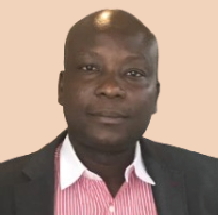
Olusoji Adeyemo is a professional with over 17 years of experience. Currently serving as an Azure Application Innovation & AI Specialist at Microsoft UK, he has held key positions at Wipro, Huawei Technologies, Oracle, and Dell, showcasing his expertise in cloud infrastructure, Application modernization, and Business continuity solutions. He holds a Master’s degree in Computer Science with distinction from the University of Hertfordshire and Caleb University. He is currently running his PhD research in Explainable AI and ML. He is also certified in various cloud and project management technologies, including Microsoft Azure Expert, Google Expert, AWS and Scrum. He can be reached at mastersoji@gmail.com and on Linkedin: https://www.linkedin.com/in/olusoji-adeyemo/