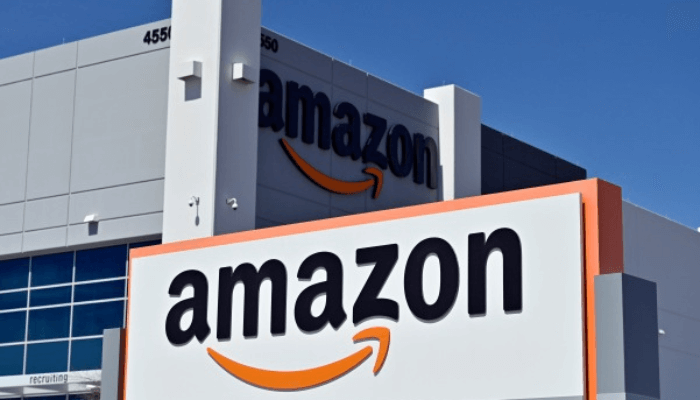
Amazon agrees $2.5bn payout after FTC probe into misleading Prime subscriptions

Onome Amuge

Amazon will pay $2.5 billion to settle a lawsuit with the US Federal Trade Commission (FTC) over allegations that it misled millions of customers into enrolling in its Prime membership and then made cancellation deliberately difficult, a deal that highlights growing scrutiny of subscription models at the heart of big tech’s growth strategies.

Under the agreement announced this week, Amazon will refund $1.5 billion to consumers and pay $1 billion in civil penalties, while committing to overhaul what regulators described as dark patterns in its sign-up and cancellation processes. Two executives, Neil Lindsay and Jamil Ghani, were barred from engaging in similar conduct in the future.

The FTC alleged that the $139-a-year service relied on design choices that nudged users into subscribing without clear consent and deterred them from cancelling. “For too long, Amazon tricked consumers into Prime subscriptions they didn’t want and trapped them in memberships that were needlessly difficult to cancel,” said Lina Khan, chair of the FTC.

The settlement came just days after jury selection began in a federal court in Seattle, sparing Amazon from the uncertainties of a trial that could have exposed it to even larger financial penalties.

Amazon did not comment publicly on the deal, but the agreement represents one of the largest settlements the FTC has secured against a technology company in recent years. It also underscores the mounting regulatory pushback against tactics that consumer advocates say exploit behavioural biases in digital marketplaces.

“This case is a signal that regulators are taking a closer look at how subscriptions are marketed and maintained, not just the headline price,” said William Kovacic, a former FTC chair.

The settlement touches the core of Amazon’s business model. Prime, launched in 2005, is more than a loyalty programme; it is the glue binding together the company’s sprawling e-commerce, streaming, and logistics arms.

Prime subscribers not only spend more (on average more than double the amount of non-members), but also shop more frequently, according to analysts. The service bundles together free shipping, video and music streaming, exclusive discounts, and cloud storage, creating what Amazon itself calls a flywheel effect that deepens customer engagement.

As of March 2025, about 196 million people in the US lived in households with Prime memberships, according to Consumer Intelligence Research Partners,a 9 per cent increase year on year. Amazon’s subscription services revenue, largely driven by Prime, reached $12.2 billion in the quarter ending June 30, up 11 per cent from a year earlier.

Yet those very features that make Prime sticky are now under regulatory fire, with critics arguing that the company exploited its bundling and interface design to obscure choice.

The regulatory spotlight in the US comes at a delicate time for Amazon’s international Prime business. The company has scaled back investment in emerging markets where subscription growth has proved uneven. In Sub-Saharan Africa and the Middle East, Prime Video cut content budgets last year, laying off staff as part of a pivot towards European original programming.

In Nigeria, Prime Video briefly gained traction alongside Netflix, riding the boom in Nollywood productions. But price-sensitive consumers have increasingly gravitated to freemium platforms such as YouTube, especially as subscription fees rose amid currency pressures and high inflation.

Leave a Comment

Amazon agrees $2.5bn payout after FTC probe into misleading Prime subscriptions

Onome Amuge

Amazon will pay $2.5 billion to settle a lawsuit with the US Federal Trade Commission (FTC) over allegations that it misled millions of customers into enrolling in its Prime membership and then made cancellation deliberately difficult, a deal that highlights growing scrutiny of subscription models at the heart of big tech’s growth strategies.

Under the agreement announced this week, Amazon will refund $1.5 billion to consumers and pay $1 billion in civil penalties, while committing to overhaul what regulators described as dark patterns in its sign-up and cancellation processes. Two executives, Neil Lindsay and Jamil Ghani, were barred from engaging in similar conduct in the future.

The FTC alleged that the $139-a-year service relied on design choices that nudged users into subscribing without clear consent and deterred them from cancelling. “For too long, Amazon tricked consumers into Prime subscriptions they didn’t want and trapped them in memberships that were needlessly difficult to cancel,” said Lina Khan, chair of the FTC.

The settlement came just days after jury selection began in a federal court in Seattle, sparing Amazon from the uncertainties of a trial that could have exposed it to even larger financial penalties.

Amazon did not comment publicly on the deal, but the agreement represents one of the largest settlements the FTC has secured against a technology company in recent years. It also underscores the mounting regulatory pushback against tactics that consumer advocates say exploit behavioural biases in digital marketplaces.

“This case is a signal that regulators are taking a closer look at how subscriptions are marketed and maintained, not just the headline price,” said William Kovacic, a former FTC chair.

The settlement touches the core of Amazon’s business model. Prime, launched in 2005, is more than a loyalty programme; it is the glue binding together the company’s sprawling e-commerce, streaming, and logistics arms.

Prime subscribers not only spend more (on average more than double the amount of non-members), but also shop more frequently, according to analysts. The service bundles together free shipping, video and music streaming, exclusive discounts, and cloud storage, creating what Amazon itself calls a flywheel effect that deepens customer engagement.

As of March 2025, about 196 million people in the US lived in households with Prime memberships, according to Consumer Intelligence Research Partners,a 9 per cent increase year on year. Amazon’s subscription services revenue, largely driven by Prime, reached $12.2 billion in the quarter ending June 30, up 11 per cent from a year earlier.

Yet those very features that make Prime sticky are now under regulatory fire, with critics arguing that the company exploited its bundling and interface design to obscure choice.

The regulatory spotlight in the US comes at a delicate time for Amazon’s international Prime business. The company has scaled back investment in emerging markets where subscription growth has proved uneven. In Sub-Saharan Africa and the Middle East, Prime Video cut content budgets last year, laying off staff as part of a pivot towards European original programming.

In Nigeria, Prime Video briefly gained traction alongside Netflix, riding the boom in Nollywood productions. But price-sensitive consumers have increasingly gravitated to freemium platforms such as YouTube, especially as subscription fees rose amid currency pressures and high inflation.

Leave a Comment