
Nigeria’s approval and increasing adoption of genetically modified (GM) crops have ignited a fierce online backlash, exposing a deep-seated national debate over food security, agricultural independence, and the perceived influence of Western agritech interests. While food containing genetically modified organisms (GMOs) has been commercially available in Nigeria since 2019, the controversy reignited recently, underscoring the complex intersection of science, economics, and public sentiment in Africa’s most populous nation.
The latest wave of outrage was triggered by a video posted on Thursday, July 24, by Chinonso Egemba, a popular medical influencer, extolling the benefits of GMOs. The video, which rapidly garnered over 5.9 million views on X, sparked widespread condemnation after photos resurfaced of Egemba’s 2023 meeting with U.S. billionaire Bill Gates. Gates, through his foundation, has invested heavily in GMO technology across Africa, including an estimated $2.8 billion in Nigerian health and food sectors, a fact that has fuelled suspicions among critics. Viewers expressed profound fears over the role of foreign actors in proliferating GMOs within Nigeria, with many respondents claiming that GMO is simply a 21st century slavery scheme to recolonise Africa by controlling African population through what they cultivate and eat.
The sheer magnitude of the public outcry prompted Nigeria’s GMO regulator, the National Biosafety Management Agency (NBMA), to issue a defensive statement.”GMOs are trending, and we hear your concerns! NBMA ensures all approved GMOs in Nigeria are safe for you & our ecosystem. Our strict regulations align with WHO & Codex standards,” the agency stated on Facebook, attempting to reassure a skeptical public about the safety protocols in place.
Proponents of GM technology, including leading scientific bodies and farmer associations, argue that these crops offer a vital pathway to addressing Nigeria’s persistent food insecurity, malnutrition, and rural poverty. Sylvia Uzochukwu, president of the Biotechnology Society of Nigeria (BSN), presented this position in an interview, asserting that the promotion of Genetic Modification (GM) technology and Genetically Modified crops is essential for fighting food insecurity in the country.
Uzochukwu identified several advantages of GM crops, including their higher micronutrient content, which could help reduce nutritional deficiencies, particularly among vulnerable populations. She cited global trends, noting the growth in the area under genetically modified crops, from 1.7 million hectares in 1996 to 134 million hectares in 2009. “Today, 14 million farmers worldwide grow GM crops in 25 countries, including 16 developing countries,” she stated. A key benefit, she explained, is the increase in yield due to the removal of biotic and abiotic stresses, with Biotech (Bt) cowpea farms, for instance, potentially seeing yield increases as high as 90 per cent.
Beyond yield, Uzochukwu argued that GM crops contribute to increased rural income and poverty reduction, citing India’s experience with Bt cotton. According to her, in India, Bt cotton not only led to a reduction in insecticide use and increased yields but also generated employment and income gains among the rural poor, alongside indirect benefits such as improved health, higher water quality, and protected biodiversity. The BSN president also stressed that the reduction in chemical pesticides through GM crops would alleviate environmental and health problems associated with intensive agricultural production systems, aligning with broader sustainability goals.
Kabiru Ibrahim, national president of the All Farmers Association of Nigeria (AFAN), expressed confidence that Nigeria can achieve food security faster by embracing GM seeds. His remarks come amidst the renewed debate over the safety of GMO plants on human and environmental health. Ibrahim firmly stated that GM crops are science-based and have been proven safe, challenging critics to present scientific facts to back their arguments regarding a nexus between GM crops and diseases.
He highlighted the Pod Borer Resistant (PBR) cowpea, a GM variety modified to withstand insect infestation and drought, resulting in higher yields. “Therefore, the advantage is that it would even take farmers out of poverty,” Ibrahim asserted.
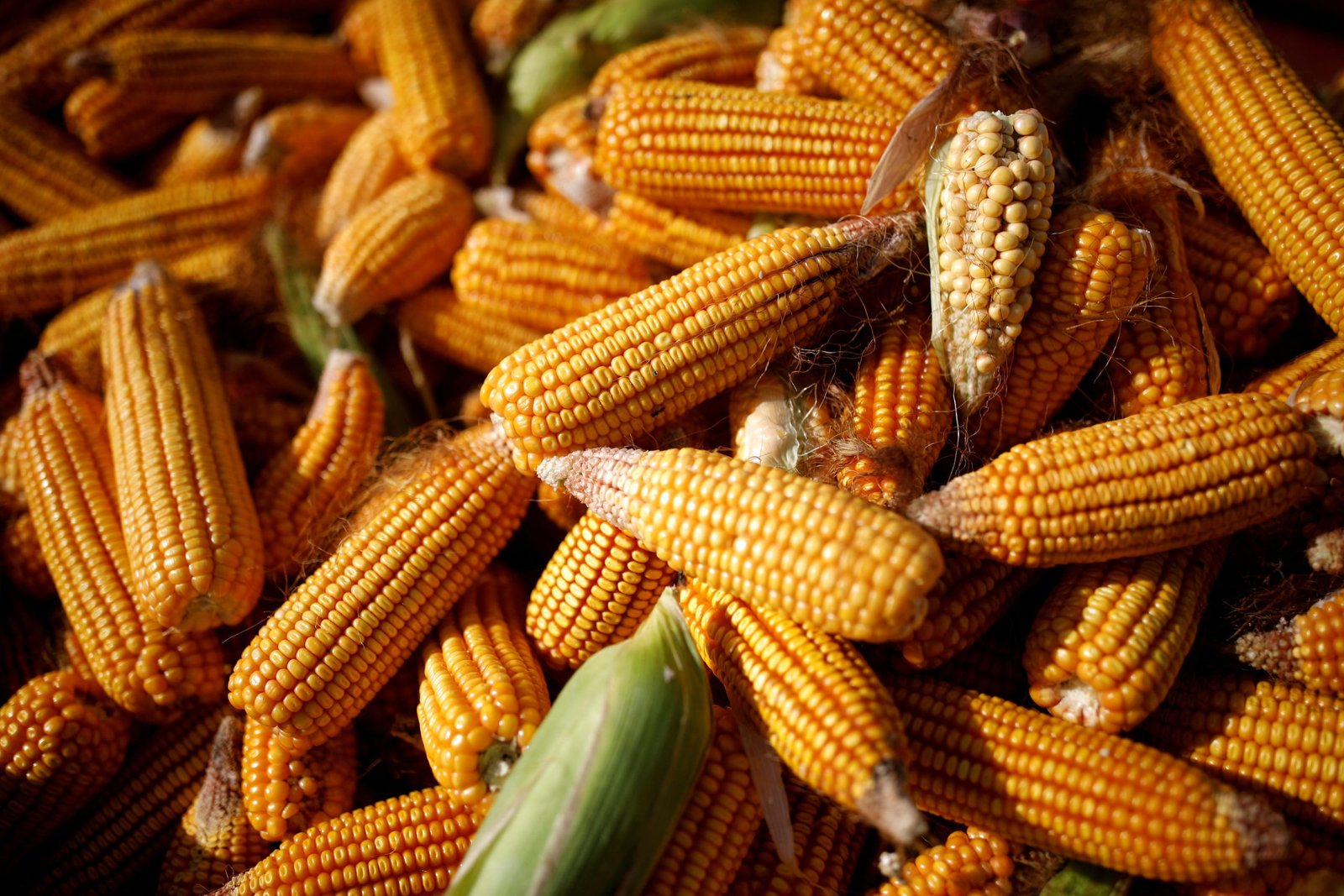
He recounted a public demonstration: “We launched the PBR cowpea in Alausa in Lagos State, two years ago. Akara and Moi Moi were made with it and people came and ate and we also ate out of it and we are healthy.” Ibrahim also pointed to the recent release of Tela maize in Nigeria, a GM variety resistant to drought, armyworms, and stem borers, with higher yields than conventional hybrid maize. “Therefore, the way out of poverty and to get into food security for Nigeria is through GM crops. This is why Brazil is now a developed country. Most of what comes out of Brazil, in terms of corn, beans, and all that, are all GM,” he argued.
Ibrahim further dismissed the notion that GM crops would cause famine, asserting that GMOs increase production, ensure higher yields, and lead to prosperity. He also addressed the legal framework, referring to Nigeria’s biosafety law, which mandates that the NBMA regulates the release of GM crops, approving them only when they meet stringent safety regulations.
Despite the scientific and agricultural community’s strong endorsements, significant opposition persists. The online outrage triggered by the influencer’s video and his perceived ties to foreign philanthropic interests underscores deep-seated fears among a segment of the Nigerian public. Critics view the proliferation of GMOs as a scheme to recolonise Africa by giving foreign agritech companies control over the continent’s food supply, thereby undermining food sovereignty.
These concerns resonated within the legislative arm. In May, the House of Representatives called for the suspension of GMOs in Nigeria pending the conclusion of a comprehensive investigation. This decision followed extensive debates and concerns raised by various groups, and a motion moved by Muktar Shagaya, a lawmaker representing Ilorin West/Asa Federal Constituency. Shagaya was quoted as stating that the National Biosafety Management Agency (NBMA) had approved the introduction of GM crops without adhering to proper due process and scientific protocols, a claim the NBMA has since refuted.
Health and environmental advocates have also criticised the introduction of GMOs, arguing that it violates the principles of food sovereignty, which prioritises local, sustainable, and culturally appropriate food systems controlled by communities themselves.
The World Health Organisation (WHO) defines GMOs as plants, animals, or microorganisms whose genetic material has been altered through modern biotechnology, gene technology, or genetic engineering, allowing selected individual genes to be transferred from one organism to another. WHO notes that GM plants are primarily developed to improve crop protection through the introduction of resistance against plant diseases caused by insects or viruses. While acknowledging the potential benefits, WHO also notes that concerns have been raised about the safety of GMO foods, including potential allergic reactions, gene transfer from the food to humans, and interactions between GM crops and conventional seeds. However, the WHO also clarifies that no allergic effects have been recorded, that the use of gene transfer technology not involving antibiotic resistance genes is encouraged, and that clear separation of fields for GM crops and conventional crops has been adopted to mitigate risks.
Nigerian scientists, particularly those at the Institute of Agricultural Research (IAR), Ahmadu Bello University (ABU), Zaria, with support from the African Agricultural Technology Foundation (AATF) and other partners, have actively engaged in developing GM seeds. During a symposium on “Biotechnology Crops: Myths, fallacies and facts,” these scientists directly addressed concerns raised by opponents.
Regarding environmental impact, studies show that GM crops in Nigeria were developed to resist insects, thereby reducing the need for chemical insecticides. Mohammed Ishiyaku, principal investigator of pod borer resistant cowpea, explained that this modern scientific tool allowed them to develop a variety that can withstand devastating insect infestations. “So our farmers can now instead of spraying severally, maybe up to 8 times chemical insecticide to protect against this insect, they can now spray only twice and get a good crop, because the new variety protects itself against this insect which causes up to 80 percent of yield loss in the field,” he stated.
On the health implications, Ishiyaku challenged critics to subject their products to rigorous scientific scrutiny, advocating for adoption based purely on scientific merit, not fabrications. He explained that genetic transformation allows for the specific targeting of heritable material to confer resistance to diseases or tolerate drought, even across species. For instance, a beneficial trait from rice could be introduced into soybean, or from soybean into cotton. This approach was used to develop the PBR cowpea, after over 15,000 different cowpea types were screened without finding natural resistance to the damaging pod borer insect.
AFAN President Kabiru Ibrahim tied the GMO debate to Nigeria’s economic challenges. He attributed the current food crisis largely to the Naira devaluation, alongside the spillover effects of insecurity and climate change impacts from the previous year. He asserted that declaring an emergency on food security also implies emergencies on insecurity, the purchasing power of the Naira, and corruption. Ibrahim further decried the nation’s dependence on food importation and the high landing costs of imported items, which contribute significantly to rising food prices. He called for a renewed focus on local food production to ensure cheaper food prices and greater availability.
Ibrahim underscored the urgency given Nigeria’s rapidly growing population, currently over 200 million and projected to reach 400 million, questioning how the nation will feed its populace without exploring all possibilities. He dismissed claims of GM crops or seeds being infertile as misinformed, reiterating that a law already regulates GM crops, making any motion to stop their release without scientific backing an act of ignorance.
As it stands, the debate surrounding GMOs in Nigeria is a microcosm of the broader challenges facing developing nations in balancing technological advancement with public acceptance, food sovereignty, and economic realities. While scientists and farmers champion GM crops as a crucial tool for boosting yields, reducing pesticide use, and combating food insecurity, a vocal segment of the public and some advocacy groups remain wary of perceived foreign control and potential long-term health and environmental risks.
However, there is a general consensus that the path forward for Nigeria will likely involve continued scientific validation, transparent public engagement, and regulatory oversight to build trust and ensure that any adopted technologies genuinely serve the nation’s food security and development goals.