Onome Amuge
Airbus SE (AIR) recently reported a mixed set of first-half results, with consolidated revenues increasing by three per cent year-on-year to €29.6 billion, driven by strong performances in its Helicopters and Defence and Space divisions. However, commercial aircraft deliveries dipped, following persistent supply chain challenges, particularly impacting its crucial A320 programme.
Despite delivering fewer commercial aircraft (306 units compared to 323) in the same period last year, the aerospace giant saw its consolidated EBIT Adjusted, a key measure of underlying profitability, rise to €2,204 million from €1,391 million in H1 2024. This improvement was partly attributed to a turnaround in the Defence and Space division, which swung from a €807 million loss to a €265 million profit, and growth in helicopter services.
Guillaume Faury, Airbus chief executive officer, acknowledged the complex and fast-changing operating environment. “Our H1 financials reflect transformation progress in our Defence and Space division and the lower commercial aircraft deliveries compared to a year ago,” Faury said. He emphasised that aircraft production remains on track with internal plans, but deliveries are backloaded as they face persistent engine supply issues on the A320 programme.
New commercial aircraft orders showcased strong demand, with gross orders totalling 494, up from 327 in H1 2024. Net orders, after cancellations, reached 402 aircraft, leaving Airbus with a substantial backlog of 8,754 commercial aircraft at the end of June.
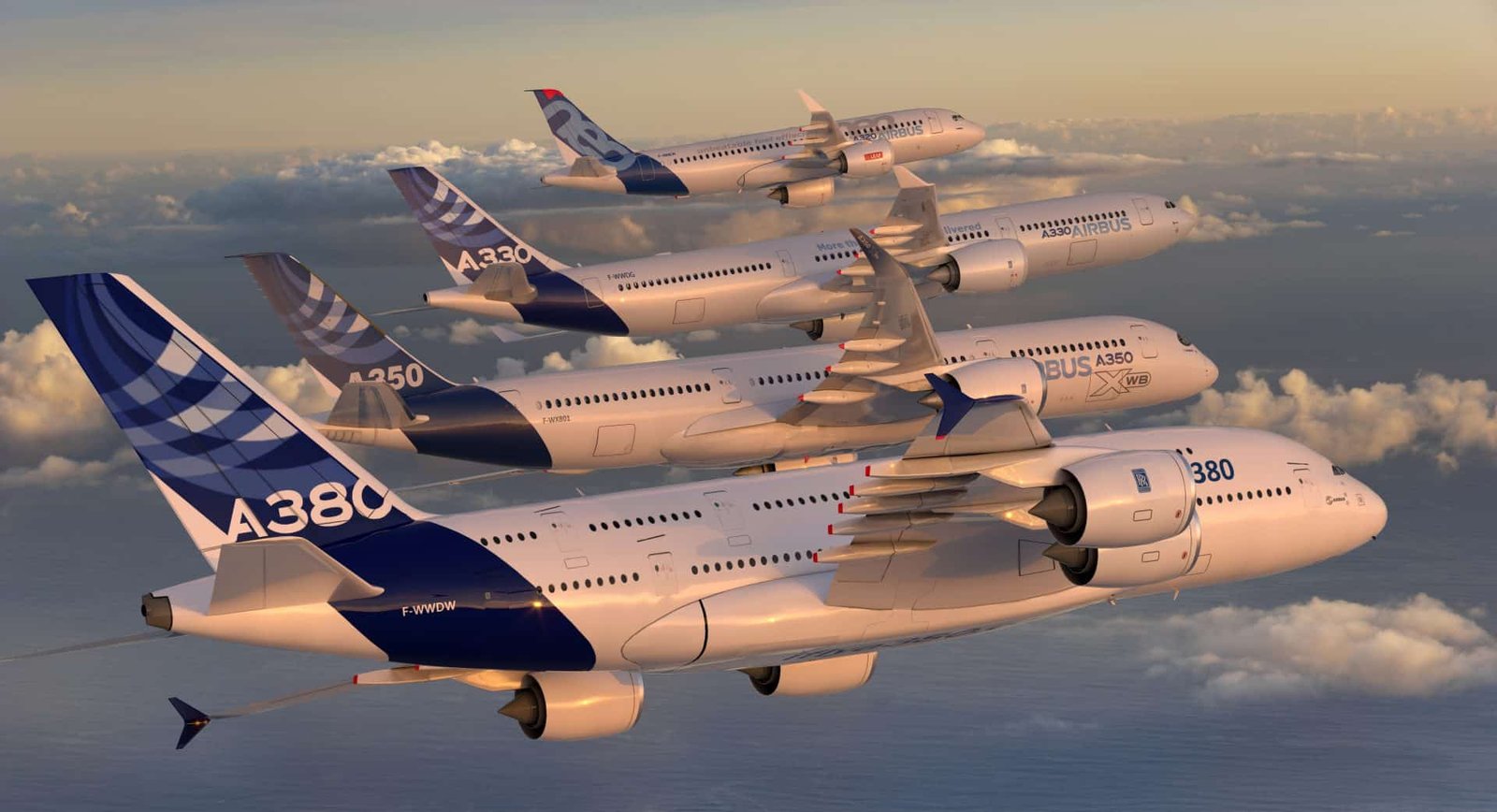
However, the persistent supply chain bottlenecks remain a major hurdle for Airbus’s ambitious ramp-up plans. While the A320 Family programme continues its trajectory towards 75 aircraft per month by 2027, the company is now targeting a monthly production rate of five for the A330 programme in 2029, up from its current stabilisation at four, to meet customer demand. Challenges with suppliers, notably Spirit AeroSystems, are putting pressure on the ramp-up of the A350 and A220 programmes, although Airbus still aims for rates of 12 for the A350 in 2028 and 14 for the A220 in 2026.
Airbus is in the process of acquiring certain Spirit AeroSystems work packages, with the expected closing date now shifting to the fourth quarter of 2025 due to ongoing regulatory approvals.
Revenues from commercial aircraft activities decreased by two per cent to €20.8 billion, a direct reflection of the lower delivery numbers. On the other hand, Airbus Helicopters’ revenues soared by 16 per cent to €3.7 billion on the back of solid programme performance and growth in services, with deliveries rising to 138 units. Airbus Defence and Space revenues also saw a 17 per cent increase to €5.8 billion, driven by higher volumes across all business lines.
Consolidated net income more than doubled to €1,525 million, resulting in reported earnings per share of €1.93. The financial result was also boosted by a €490 million gain, mainly from the revaluation of certain equity investments and financial instruments.
Despite the strong profit recovery, consolidated free cash flow before customer financing was a negative €1,610 million, reflecting a planned inventory build-up to support future ramp-ups and a high volume of commercial aircraft awaiting engines. The gross cash position at the end of June stood at €21.1 billion, with a net cash position of €7.0 billion, down from year-end 2024 due to dividend payments and a weakening dollar.
Airbus reiterated its 2025 guidance, targeting around 820 commercial aircraft deliveries, EBIT Adjusted of €7.0 billion, and free cash flow before customer financing of around €4.5 billion. The company excludes the impact of tariffs from its guidance, welcoming the recent political agreement between the EU and the US to revert to a zero-tariff approach for civil aircraft. This guidance assumes no additional disruptions to global trade, the world economy, air traffic, or the supply chain.
In a post-closing development, Airbus’s board of directors has selected Oliver Zipse, current chairman of the board of management of BMW AG, as a non-executive director candidate for submission at the 2026 Annual General Meeting. René Obermann, chairman of the board of directors, commended Zipse’s wealth of global industry experience as an invaluable asset for the company’s future.