Copper prices retreated on Thursday after reaching a three-week high, as escalating tensions in the Middle East lifted oil prices and renewed concerns about the trajectory of global economic growth.
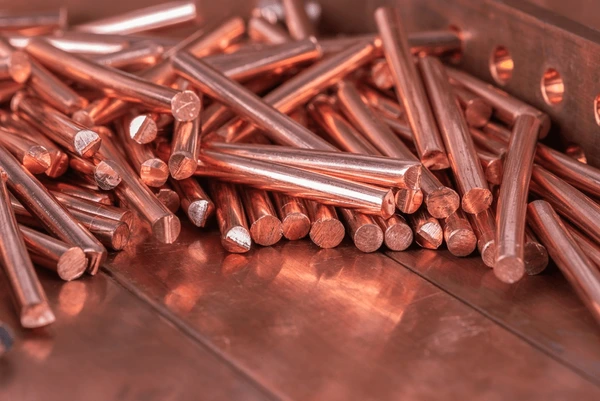
Benchmark three-month copper on the London Metal Exchange fell 0.6 per cent to $12,630 per metric tonne, reversing gains from the previous session when prices touched their highest level since mid-March.
In contrast, copper futures on the Shanghai Futures Exchange edged higher by 0.5 per cent to 97,740 yuan ($14,297) per ton, highlighting diverging regional sentiment in the metals market.
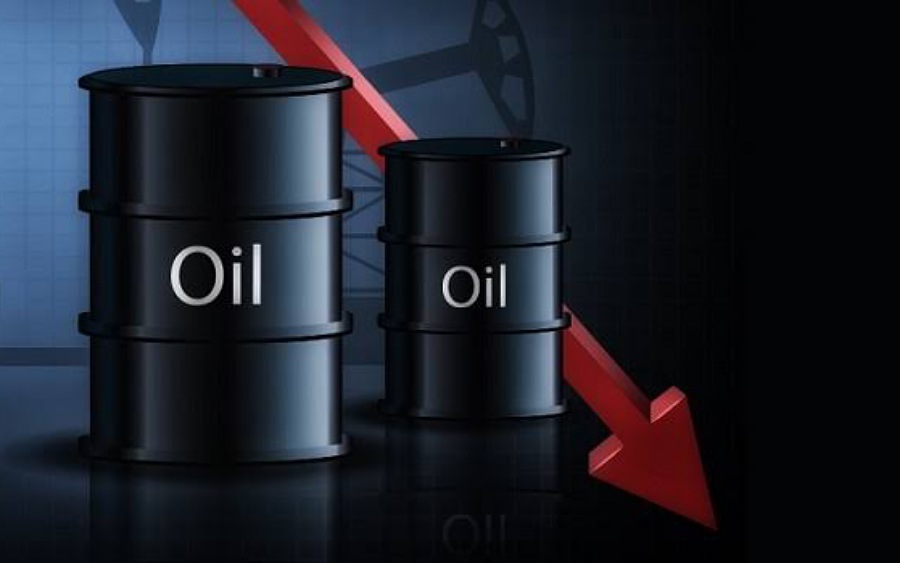
The pullback in copper comes as oil prices climbed more than 2 per cent, nearing $97 per barrel, amid fears that supply disruptions in the Middle East could persist. Continued restrictions in the Strait of Hormuz have intensified market uncertainty.
Rising energy costs are widely seen as a headwind for industrial metals, as they increase production expenses and threaten to dampen manufacturing activity worldwide.
“We are seeing some natural profit-taking after yesterday’s strong rally. This, combined with oil heading higher today, is applying downward pressure on metal prices,” said Tim Waterer, chief market analyst at KCM Trade.
Investor sentiment has been further shaken by renewed violence in the region. Israeli strikes on Lebanon and subsequent threats of retaliation from Iran have cast doubt over the durability of a fragile U.S.-Iran ceasefire.
The escalation has reinforced concerns that geopolitical instability could trigger a broader energy shock, potentially undermining industrial demand and slowing global growth.
Analysts at Standard Chartered warned that the combination of rising energy costs and geopolitical risks presents a “more challenging backdrop” for copper and other base metals.
Beyond macro risks, near-term indicators also point to softness in the copper market. Analysts flagged a widening contango structure, where future prices exceed spot levels, alongside a steady build-up in exchange inventories as signs of easing demand.
Other base metals mirrored copper’s cautious tone.
On the London market, aluminium slipped 0.1 per cent, while tin dropped 1.4 per cent and nickel fell 0.4 per cent. Zinc posted a marginal gain, and lead remained largely unchanged.