Ben Eguzozie
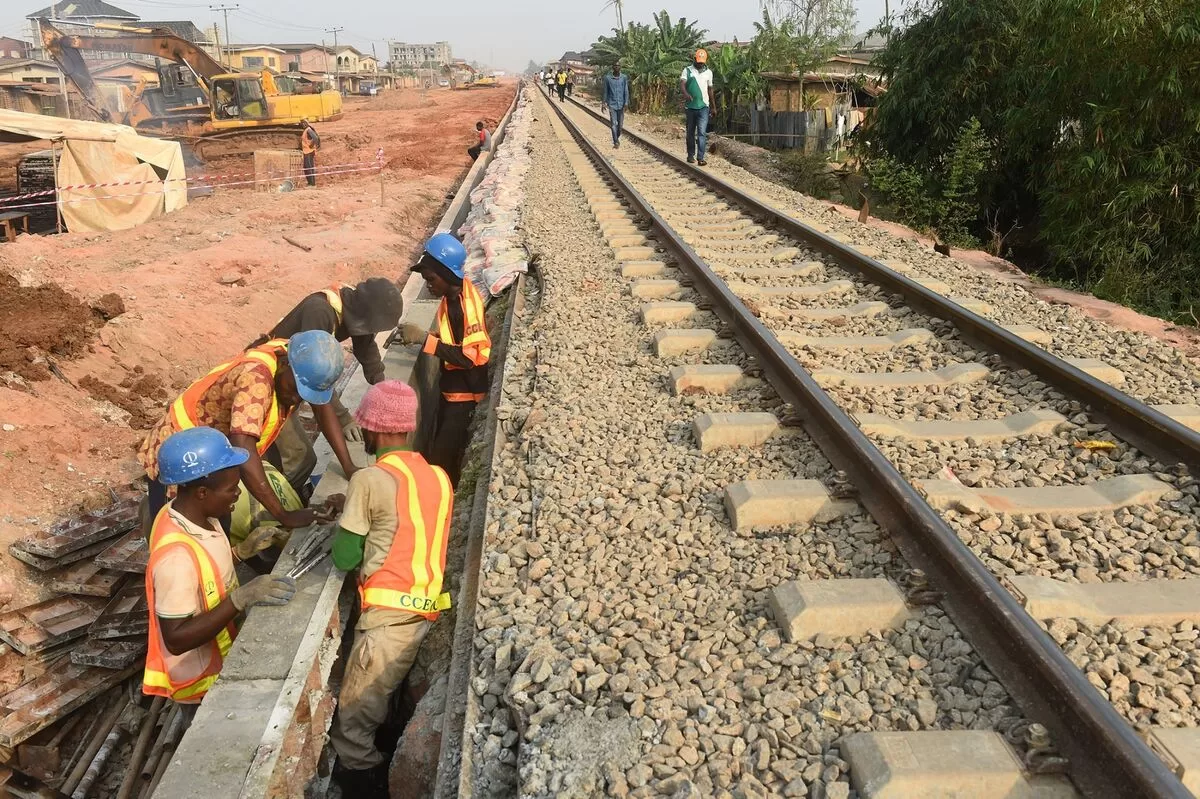
Nearly two years have passed since Governor Bassey Otu broke ground on the ambitious Grand Litora Railway project, a $350 million venture aimed at transforming Cross River State’s transportation landscape.
The project, touted as a game-changer for tourism and regional development, has seemingly vanished into thin air, or so it seems, leaving many economic and development analysts wondering what went wrong.
The railway was meant to connect Calabar’s $600 million idle Tinapa Free Trade Zone to Obudu, which hosts the mountaintop temperate breed cattle ranch, with substations in Ugep, Ikom, and Ogoja, boosting economic growth and unlocking the state’s tourism potential.
The project was part of a Public-Private Partnership (PPP) initiative, with Rinehooke Investments Ltd. as the private partner. The goal was to enhance mobility, stimulate trade, and promote sustainable development in a state, with about $12 billion subnational GDP, yearning for growth.
Despite the initial fanfare, especially during the unveiling in August 2024, there has been little to no progress on the project, sparking concerns among development experts and economists. The lack of updates has left many questioning the project’s viability and the government’s commitment to its implementation.
By far, the key objectives of the Grand Litora Railway project include: to enhance transportation infrastructure to facilitate movement of goods and services from Calabar through to Obudu, a six-hour journey snaking through a winding sole route. Other objectives are to stimulate trade, boosting economic activity and create new business opportunities along the corridor.
The rail line will also unlock the state’s tourism, with a potential worth more than N20 billion. In particular, recent data from early 2025 shows significant revenue generation such as, N1.4 billion from hotels/events/nightclubs in a period) and substantial state- backed investments, including an N18 billion fund; and plans for major infrastructure like airport expansion to unlock its vast eco-tourism and cultural assets. This will position it for substantial economic growth, potentially reaching 10 per cent of the state budget allocation by 2030.
Recent revenue (early 2025 data) showed that N900 million was earned from food/breakfast, N400 million from major nightclubs, N100 million from ticketed events (funfest, fashion shows), and N1 billion from streaming, food/drinks, rentals.
Strategically by 2030, the state aims to allocate 10 per cent of its budget to tourism, with 40 per cent for new site development, including a “Green Corridor” for eco-tourism.
Also, plans include the Calabar Airport runway expansion for direct European flights and a N5 billion green bond for a National Park canopy walkway.
Cross River’s tourist attractions which the world needs to visit, are still largely inaccessible. The rail will equally promote sustainable development, by fostering regional development and create economic hubs, especially in the state’s yet unexploited agribusiness.
Grand Litora rail way’s stagnation is particularly concerning, economists told Business A.M., given its potential to transform Cross River’s $12 billion GDP economy. With the state’s strategic location and rich natural resources, the Grand Litora Railway could be a catalyst for growth and development.
What is therefore, behind the delay in the Grand Litora Railway project? Is it a case of poor planning, inadequate funding, or something else entirely? Efforts to get official response were not fruitful. Inquiries to some government appointees could not be responded.