CSOs back FGs 15% import duty on refined fuels in boost for local refining

***Says decision will end dumping of fake products, scarcity in Nigeria

Onome Amuge

A coalition of civil society organisations under the umbrella of the Coalition of Civil Rights Activists has endorsed the federal government’s decision to impose a 15 per cent import duty on refined petroleum products, describing it as a policy shift capable of safeguarding Nigeria’s  refining sector and strengthening energy security.

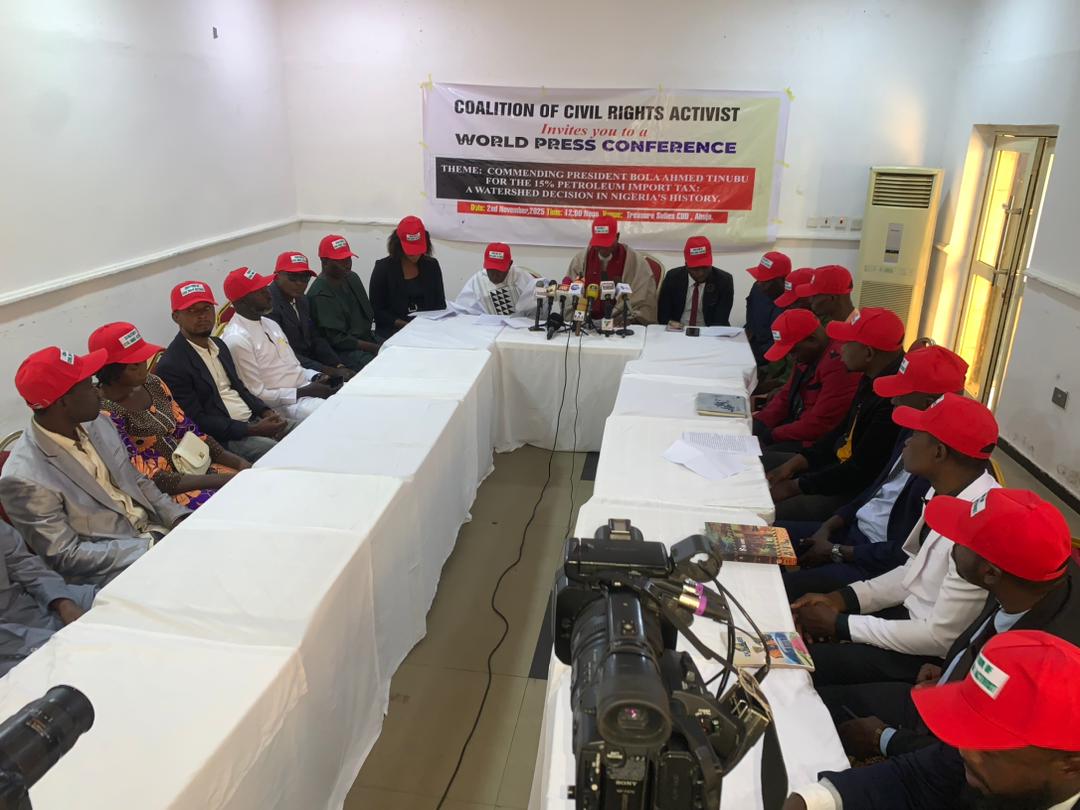
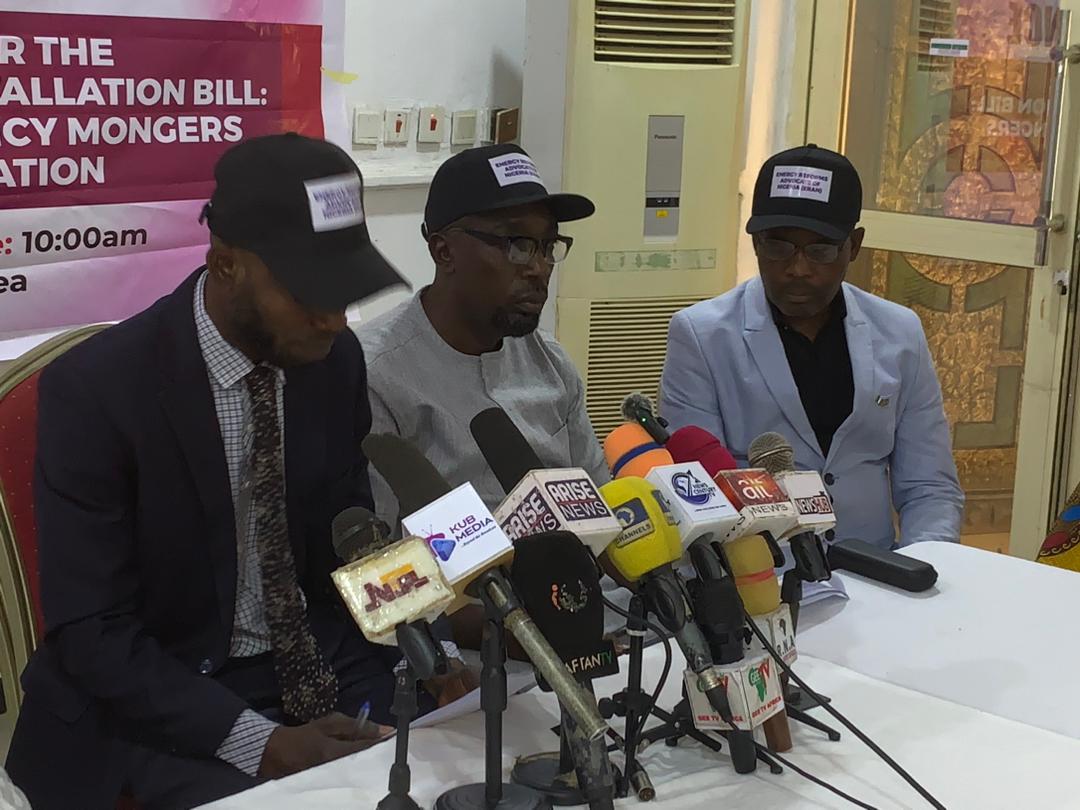
Speaking at a press briefing in Abuja, Agabi Emmanuel,the group’s convener, said the tariff was not designed as a revenue-raising measure but as a strategic lever to protect domestic refineries from unfair foreign competition.

According to Emmanuel, the new import duty will discourage the inflow of low-quality and sub-standard fuels, which have long undermined both the environment and vehicle performance in the country. 

“This 15 percent duty will stem the influx of adulterated products that damage engines, pollute the environment, and endanger lives,” he said.

He added that the measure would encourage the operation of local refineries such as Dangote, Port Harcourt, Warri, and Kaduna, which are expected to boost national fuel supply once fully operational. 

“The tariff provides a level playing field, allowing local producers to run at full capacity without fear of being undercut by smuggled or below-cost imports,” Emmanuel said.

In a 23-point communiqué titled “Full Text of Speech by the Coalition of Civil Rights Activists to Laud Mr President on the 15% Petroleum Import Tax”, the coalition argued that short-term price adjustments at fuel stations should be viewed as part of a broader strategy to achieve long-term energy sovereignty.

The group maintained that while consumers might face temporary price pressures, the overall benefit of a self-sufficient downstream petroleum sector outweighs short-term discomfort.

“The transition may come with adjustment costs, but it is a necessary step toward national independence from import dependency,” Emmanuel said, urging Nigerians to view the reform within the context of long-term stability.
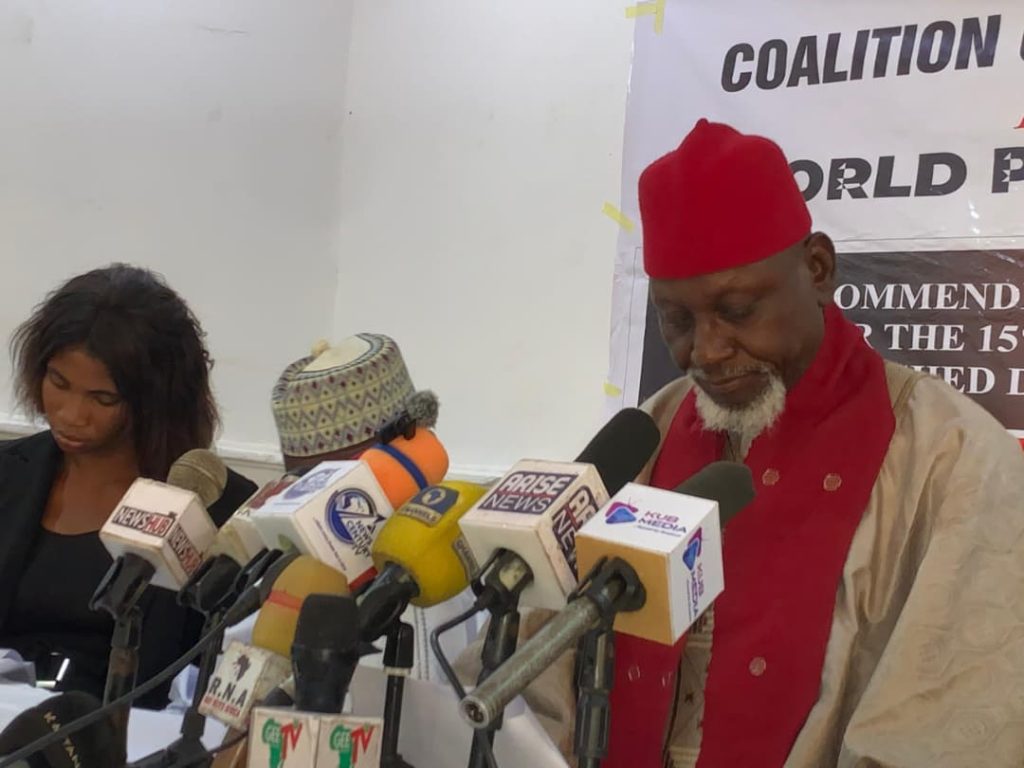
Agabi Emmanuel

Responding to concerns that the policy could entrench monopolistic tendencies, Emmanuel said existing regulatory frameworks, particularly the Petroleum Industry Act (PIA), already provide sufficient checks to ensure fair competition.

“This is about structural transformation, not favoritism. What the policy does is reward efficiency and compliance while eliminating market distortions caused by underpriced imports,” he stressed. 

Economists have described the duty as part of a broader fiscal reform strategy aimed at incentivising domestic production and gradually aligning Nigeria’s energy market with market realities. However, analysts also caution that implementation transparency and regulatory vigilance will be crucial to prevent anti-competitive behaviour and consumer exploitation.

The coalition urged the National Assembly to expedite approval for social compensation mechanisms, including targeted tax reliefs and cash-transfer programmes, to cushion the impact on low-income households.

“We recognise that energy reform must be people-centred. We therefore call on the government to ensure that vulnerable groups are protected through structured social interventions,” Emmanuel said. 

The group also requested that the Presidency publish a clear implementation timetable and revenue-allocation framework within 14 days, to promote accountability and build public confidence in the new policy.

In a direct appeal to political actors, Emmanuel called on opposition parties to set aside partisanship and support the government’s reform agenda.

“This policy represents an opportunity for national renewal. We urge all political stakeholders to collaborate rather than criticise. History will not be kind to those who prioritise politics over progress,” he said. 

The coalition further called on international partners, including the World Bank and the African Development Bank (AfDB), to provide concessional financing and technical support to enhance domestic refining capacity and strengthen energy-sector governance.

Policy experts say the 15 per cent duty could mark a turning point in Nigeria’s downstream sector if paired with credible monitoring mechanisms and investment incentives. The move aligns with President Bola Tinubu’s wider fiscal strategy to rationalise import structures, encourage local manufacturing, and reduce foreign-exchange exposure from fuel imports.

For decades, Nigeria’s reliance on imported petroleum products has drained public finances and exposed the economy to price volatility and supply disruptions. The new tariff, analysts argue, may help reverse that trend by incentivising local refining and formalising cross-border fuel trade.

The coalition described the duty as a step toward sustainable energy independence and called on citizens to remain patient as the reforms take shape.

“From dependence to dignity—that is the promise embedded in this tariff. We must see this as a long-term investment in our economic sovereignty and industrial renewal,” Emmanuel asserted.

Leave a Comment

CSOs back FGs 15% import duty on refined fuels in boost for local refining

Onome Amuge

A coalition of civil society organisations under the umbrella of the Coalition of Civil Rights Activists has endorsed the federal government’s decision to impose a 15 per cent import duty on refined petroleum products, describing it as a policy shift capable of safeguarding Nigeria’s  refining sector and strengthening energy security.

Speaking at a press briefing in Abuja, Agabi Emmanuel,the group’s convener, said the tariff was not designed as a revenue-raising measure but as a strategic lever to protect domestic refineries from unfair foreign competition.

According to Emmanuel, the new import duty will discourage the inflow of low-quality and sub-standard fuels, which have long undermined both the environment and vehicle performance in the country. 

“This 15 percent duty will stem the influx of adulterated products that damage engines, pollute the environment, and endanger lives,” he said.

He added that the measure would encourage the operation of local refineries such as Dangote, Port Harcourt, Warri, and Kaduna, which are expected to boost national fuel supply once fully operational. 

“The tariff provides a level playing field, allowing local producers to run at full capacity without fear of being undercut by smuggled or below-cost imports,” Emmanuel said.

In a 23-point communiqué titled “Full Text of Speech by the Coalition of Civil Rights Activists to Laud Mr President on the 15% Petroleum Import Tax”, the coalition argued that short-term price adjustments at fuel stations should be viewed as part of a broader strategy to achieve long-term energy sovereignty.

The group maintained that while consumers might face temporary price pressures, the overall benefit of a self-sufficient downstream petroleum sector outweighs short-term discomfort.

“The transition may come with adjustment costs, but it is a necessary step toward national independence from import dependency,” Emmanuel said, urging Nigerians to view the reform within the context of long-term stability.

Agabi Emmanuel

Responding to concerns that the policy could entrench monopolistic tendencies, Emmanuel said existing regulatory frameworks, particularly the Petroleum Industry Act (PIA), already provide sufficient checks to ensure fair competition.

“This is about structural transformation, not favoritism. What the policy does is reward efficiency and compliance while eliminating market distortions caused by underpriced imports,” he stressed. 

Economists have described the duty as part of a broader fiscal reform strategy aimed at incentivising domestic production and gradually aligning Nigeria’s energy market with market realities. However, analysts also caution that implementation transparency and regulatory vigilance will be crucial to prevent anti-competitive behaviour and consumer exploitation.

The coalition urged the National Assembly to expedite approval for social compensation mechanisms, including targeted tax reliefs and cash-transfer programmes, to cushion the impact on low-income households.

“We recognise that energy reform must be people-centred. We therefore call on the government to ensure that vulnerable groups are protected through structured social interventions,” Emmanuel said. 

The group also requested that the Presidency publish a clear implementation timetable and revenue-allocation framework within 14 days, to promote accountability and build public confidence in the new policy.

In a direct appeal to political actors, Emmanuel called on opposition parties to set aside partisanship and support the government’s reform agenda.

“This policy represents an opportunity for national renewal. We urge all political stakeholders to collaborate rather than criticise. History will not be kind to those who prioritise politics over progress,” he said. 

The coalition further called on international partners, including the World Bank and the African Development Bank (AfDB), to provide concessional financing and technical support to enhance domestic refining capacity and strengthen energy-sector governance.

Policy experts say the 15 per cent duty could mark a turning point in Nigeria’s downstream sector if paired with credible monitoring mechanisms and investment incentives. The move aligns with President Bola Tinubu’s wider fiscal strategy to rationalise import structures, encourage local manufacturing, and reduce foreign-exchange exposure from fuel imports.

For decades, Nigeria’s reliance on imported petroleum products has drained public finances and exposed the economy to price volatility and supply disruptions. The new tariff, analysts argue, may help reverse that trend by incentivising local refining and formalising cross-border fuel trade.

The coalition described the duty as a step toward sustainable energy independence and called on citizens to remain patient as the reforms take shape.

“From dependence to dignity—that is the promise embedded in this tariff. We must see this as a long-term investment in our economic sovereignty and industrial renewal,” Emmanuel asserted.

[quads id=1]

Get Copy

Leave a Comment