As Nigeria begins to embrace 5G technology, there is excitement about faster internet, smoother video calls, and more reliable connections. With 5G, downloading a full movie can take seconds, and millions of devices – from mobile phones to smart home gadgets – can connect at the same time without slowing down the network. This leap in technology has the power to transform healthcare, education, business, and entertainment in the country. But alongside these opportunities comes a new level of risk that many Nigerians are not fully aware of: cybersecurity in the 5G era.
Cybersecurity is about protecting our information and online activities from theft, damage, or misuse. In simple terms, it is making sure that what we do online stays safe and private. With 5G, this concern becomes even greater because the number of connected devices and the amount of data being shared will increase rapidly. Every smartphone, smart TV, banking app, or even a future smart electricity meter becomes a potential doorway for criminals if not properly protected.
In Nigeria today, cybercrime is already a serious issue. From online scams and identity theft to hacking of bank accounts, many individuals and businesses have suffered losses. With 5G making online activity faster and more widespread, these risks can grow if security measures are not strengthened. Hackers will have more opportunities to strike, and the impact could be much larger because of how connected everything will be.
Consider how daily life is changing. More Nigerians are shopping online, paying bills with mobile apps, and storing important documents in the cloud. Businesses are moving their operations online, from small shops using WhatsApp for sales to banks offering full digital services. As 5G spreads, even more sectors will depend on the internet, including healthcare, transport, and education. While this growth is good, it also means that a single security breach can affect thousands, even millions, of people at once.
The strength of 5G lies in its speed and ability to connect many devices at the same time. However, this also means that if criminals gain access to one weak device, such as an unprotected phone or computer, they could use it as an entry point to attack larger systems. For example, a hacker might enter through a poorly secured Wi-Fi camera and then use that pathway to reach more sensitive data on a user’s network. With so many devices connected, the chances of finding one weak link are higher.
What Nigerians need to know is that cybersecurity in the 5G era is no longer just the responsibility of government agencies or big companies. Every individual has a role to play in protecting their digital life. Simple steps like using strong passwords, avoiding suspicious links, and keeping phones and computers updated with the latest software can go a long way in preventing attacks. Just as we lock our doors at night to secure our homes, we need to lock our digital doors as well.
Businesses in Nigeria, whether small or large, must also treat cybersecurity as a core part of their operations. A single cyber-attack can destroy customer trust, lead to financial loss, and even force a company to close. Investing in secure systems, training staff to recognise threats, and having backup plans in place are no longer optional – they are essential for survival in the 5G era.
The Nigerian government, regulators, and network providers also have an important role to play. Strong policies and laws are needed to guide how data is collected and used, and to punish those who exploit the digital space for crime. Awareness campaigns can help ordinary Nigerians understand the risks and take simple steps to stay safe. Building public confidence in 5G will depend not only on the speed of the network but also on how secure it feels to use.
There are also opportunities to turn cybersecurity itself into a source of growth. As threats increase, so will the demand for skilled experts who can defend systems and data. Nigeria’s large population of young people can be trained to fill this gap, creating jobs in areas such as ethical hacking, data protection, and digital forensics. Instead of being victims of cybercrime, Nigerians can become leaders in cybersecurity innovation across Africa.
The reality is that no technology is without risks. When mobile phones first spread across Nigeria, they brought new challenges like fraud and spam messages, but they also created opportunities that far outweighed the dangers. The same will be true for 5G if Nigeria prepares properly. It will open doors to smarter cities, more efficient businesses, and better communication, but only if the foundation of cybersecurity is strong.
For everyday Nigerians, the message is simple: enjoy the benefits of faster internet, but stay alert. Do not share personal details carelessly online. Use trusted apps and websites. Be cautious of offers that sound too good to be true. For businesses and government, the message is just as clear: security must go hand in hand with innovation. Without it, the promise of 5G could quickly turn into a threat.
Nigeria is stepping into a future where almost every part of life will be connected to the internet. The fourth industrial revolution is not just about machines and networks – it is about people and how we protect them. As 5G spreads across the country, cybersecurity will be the shield that keeps this progress safe. With awareness, preparation, and action, Nigerians can enjoy the speed and opportunities of the 5G era without becoming victims of its risks.

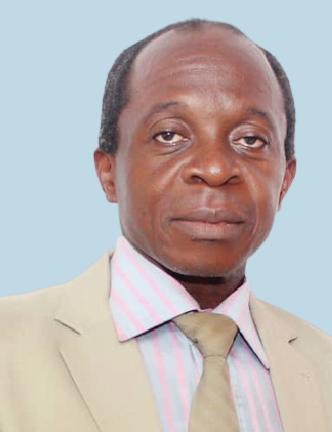
Olusoji Adeyemo is a professional with over 17 years of experience. Currently serving as an Azure Application Innovation & AI Specialist at Microsoft UK, he has held key positions at Wipro, Huawei Technologies, Oracle, and Dell, showcasing his expertise in cloud infrastructure, Application modernization, and Business continuity solutions. He holds a Master’s degree in Computer Science with distinction from the University of Hertfordshire and Caleb University. He is currently running his PhD research in Explainable AI and ML. He is also certified in various cloud and project management technologies, including Microsoft Azure Expert, Google Expert, AWS and Scrum. He can be reached at mastersoji@gmail.com and on Linkedin: https://www.linkedin.com/in/olusoji-adeyemo/