Onome Amuge
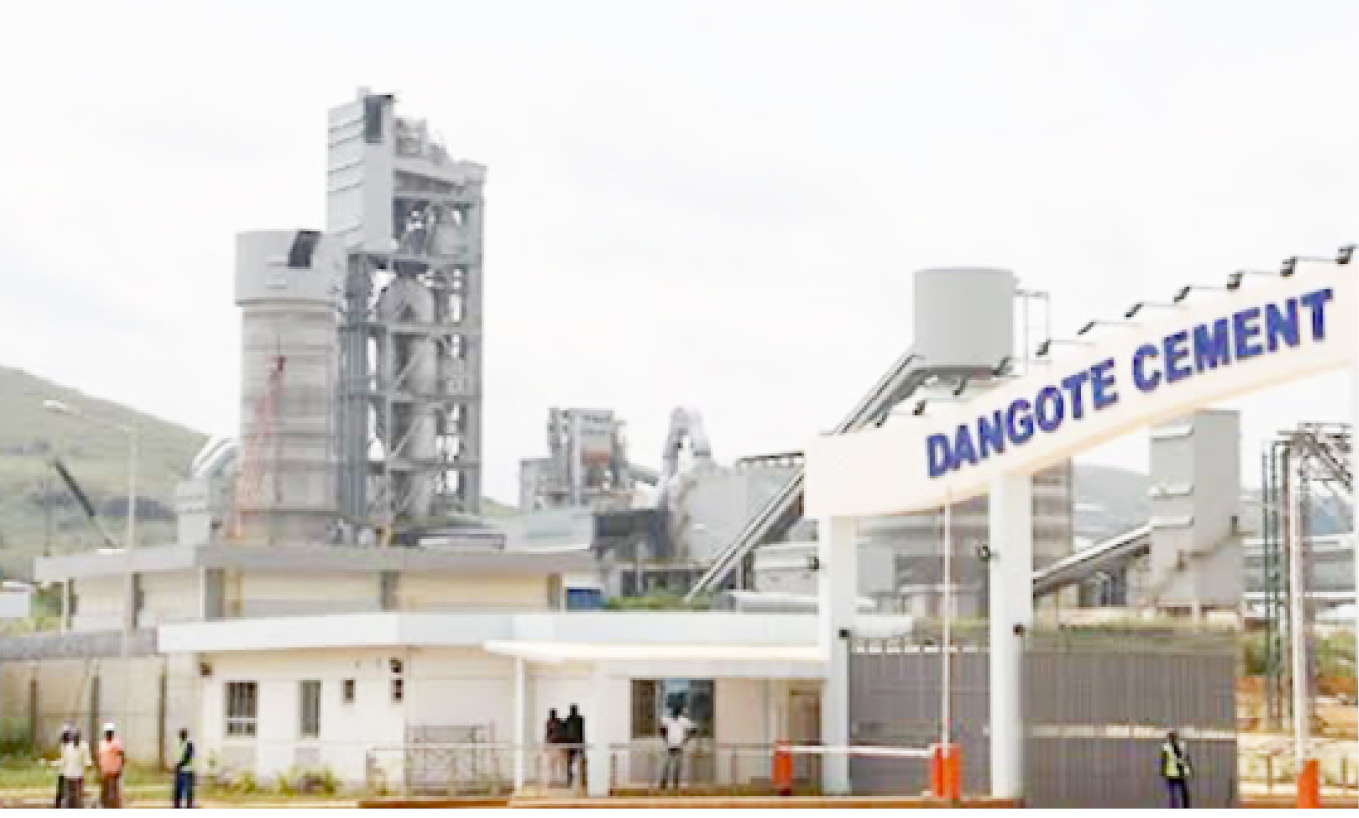
Dangote Cement Plc, the continent’s largest cement producer, has pledged to accelerate its pan-African expansion, with plans to raise installed capacity to 66.4 million tonnes a year by the end of the decade. The announcement comes as Africa’s most valuable manufacturing company undergoes a leadership transition, with Emmanuel Ikazoboh stepping in as chairman from billionaire industrialist Aliko Dangote.
The company used a Facts Behind the Figures presentation on the Nigerian Exchange floor in Lagos this week to outline both its growth pipeline and its evolving governance structure. For many investors, the event was as much about the symbolism of the transition as the numbers themselves.
Ikazoboh, a seasoned corporate leader with deep experience in Nigeria’s financial services sector, inherits a business that has already reshaped Africa’s building materials industry. But he faces the task of consolidating market share, navigating a turbulent macroeconomic environment, and meeting investor expectations for both expansion and consistent returns.
“Dangote Cement remains resolute in transforming Africa by creating sustainable value for all its stakeholders. To our investors, you have my unwavering commitment to safeguarding and growing your investment. To our regulators and market operators, you have my pledge of continued partnership and adherence to governance standards that lead rather than follow,” Ikazoboh told shareholders.
Arvind Pathak, chief executive, sketched out a pipeline of projects designed to reinforce the group’s ambition of making Africa self-sufficient in cement and clinker.
The company has recently commissioned the first 1.5 million tonnes per annum (Mta) phase of its Côte d’Ivoire plant, part of a wider 3Mta facility. Construction of a 6Mta integrated plant at Itori, Ogun State, continues apace, while Dangote Cement has committed $400mn to double production capacity in Ethiopia.
“Over the past 15 years, DCP has committed more than $8.5bn in capital investments across Africa, underscoring our long-term confidence in the region’s growth prospects,” Pathak said.
Analysts note that the company’s cross-border footprint gives it a strategic advantage over rivals, particularly in fragmented markets where cement demand is tied closely to infrastructure investment and housing. Yet the scale of investment also leaves it exposed to risks ranging from political instability to currency volatility in host countries.
The departure of Aliko Dangote from the chairmanship marks the end of an era for the Nigerian Exchange’s flagship stock. As founder and driving force, Dangote built the group into a pan-African powerhouse and one of the most visible symbols of Nigerian corporate ambition.
Umaru Kwairanga, the Nigerian Exchange Group’s chairman, praised Dangote for substantial contributions to the Nigerian capital market and private sector development,saying he had shown that wealth can be created but also transferred to the public through the capital market.
Temi Popoola, chief executive of NGX Group, welcomed Ikazoboh’s appointment, describing him as a governance-focused leader who could steward the next phase of growth. “With Mr Ikazoboh as the chairman, the shareholders will surely be happy,” he said.