
Onome Amuge
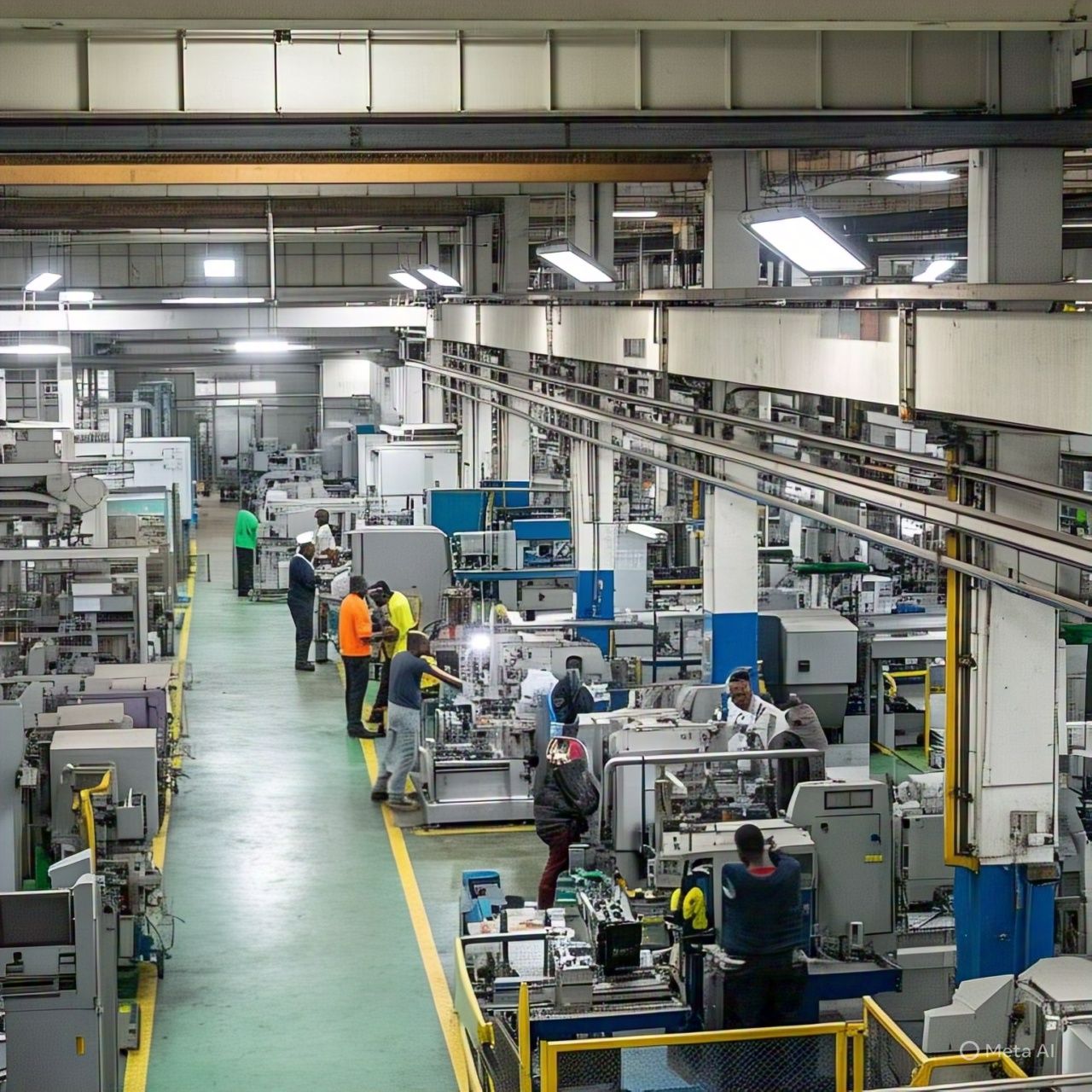
Nigeria’s business environment registered a marginal improvement in April, yet a deeper analysis reveals a growing divergence, with the manufacturing sector facing the most acute inflationary pressures that threaten to undermine broader economic gains.
The latest NESG-Stanbic IBTC Business Confidence Monitor (BCM) showed a modest rise in the Current Business Index to +12.29, up from +6.58 in March, indicating a slight improvement in operating conditions and business activity. However, the data indicated that while other sectors experienced a more pronounced uptick, manufacturers are battling an increase in costs that is increasingly squeezing their profitability.
The overall Cost of Doing Business Index for Nigeria edged higher to +51.79 in April, reflecting a worsening operating environment for businesses across the board. However, within the manufacturing sector, this burden is particularly pronounced. The Manufacturing Cost of Doing Business Index climbed to an elevated +40.20, starkly contrasting with a sharp decline in its Prices Index to -25.40. This divergence indicated that while manufacturers are dealing with escalating operational expenses, their ability to pass these costs onto consumers remains severely constrained, placing significant pressure on their bottom lines.
“The latest BCM data paints a concerning picture for Nigeria’s manufacturing base,” said a senior economist at Stanbic IBTC, adding that while the headline figures suggest a positive trajectory for the overall business environment, the manufacturing sector is clearly experiencing the most intense inflationary headwinds, which could stifle its already fragile recovery.
The report also highlighted the confluence of factors driving this cost surge for manufacturers. Persistent inflation and chronic macroeconomic instability are cited as primary drivers of skyrocketing operational expenses.
According to the report, the sector’s heavy reliance on power-driven equipment renders it particularly vulnerable to Nigeria’s unreliable public electricity supply, forcing a costly dependence on diesel generators. Furthermore, the report noted that ongoing insecurity in regions crucial for sourcing raw materials continues to disrupt supply chains, compelling firms to opt for more expensive alternatives, thereby inflating production costs.
These escalating costs are occurring against a backdrop of only marginal improvement in the manufacturing sector’s overall BCM index, which rose slightly to +8.78 from +8.25. While key sub-sectors such as food and beverages, textiles, and pharmaceuticals demonstrated some resilience, the sector’s ability to translate this into sustained growth is hampered by the intense cost pressures.
Notably, while indices for demand conditions, exports, and operating profit within manufacturing showed some improvements, indicators for the general business situation, production levels, and access to credit within the sector declined compared to the previous month, indicating that the inflationary squeeze is beginning to erode earlier gains.
In contrast, other sectors of the Nigerian economy exhibited improvements in confidence. The trade sector saw a significant increase in its BCM index to +25.12, buoyed by increased consumer spending around major festivals and improved logistics.
The non-manufacturing sector also demonstrated strong momentum, with its index rising to +23.59, driven by increased public infrastructure spending and a period of relative Naira stability.
The services sector recorded an increase to +6.54, supported by growing customer demand.
However, even these sectors reported a higher cost of doing business, albeit less severe than that faced by manufacturers.
Looking ahead, the future business expectations index for the manufacturing sector stands at +37.27, indicating a degree of optimism for the coming months. However, economists caution that this optimism may be difficult to realise if the escalating inflationary pressures are not effectively addressed.
“The government needs to implement targeted policies to alleviate the cost burden on manufacturers,” Stanbic IBTC stated.
According to the report, addressing the chronic issues of power supply, insecurity, and exchange rate volatility is crucial to creating a more stable and predictable operating environment that allows the manufacturing sector to thrive and contribute meaningfully to Nigeria’s economic growth.








You can’t scale trust if you can’t see risk