Kill the Bill: Energy activists mount campaign against proposed oil commission

Onome Amuge

Energy-sector activists under the banner of the Energy Reforms Advocates of Nigeria (ERAN) has launched a strong campaign against the proposed National Commission for the Decommissioning of Oil and Gas Installations (NC-DOGI) Bill, 2024, arguing that the legislation would duplicate existing institutions, burden public finances, and undermine the Petroleum Industry Act (PIA).

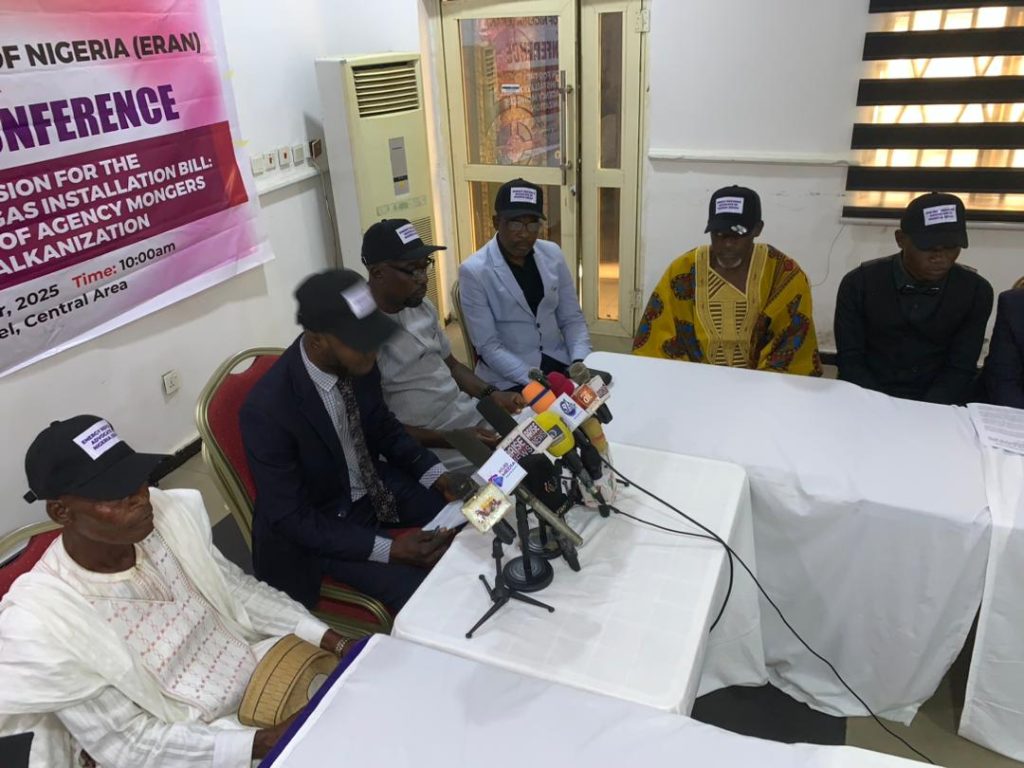
Speaking at a press conference in Abuja, Abba Henry, ERAN executive director, described the proposed law as unnecessary and counterproductive, warning that its passage would create institutional overlap and deter investor confidence in Nigeria’s oil and gas sector.

“This bill is not reform—it is regression. Nigeria is struggling under debt pressure, yet the proposal seeks to establish another costly bureaucracy to perform functions already covered by existing regulators,” Henry said. 

The NC-DOGI Bill seeks to establish a new commission responsible for overseeing the decommissioning and dismantling of obsolete oil and gas facilities across the country. However, ERAN and several civil-society groups say these responsibilities already fall within the mandates of the Nigerian Upstream Petroleum Regulatory Commission (NUPRC) and the Nigerian Midstream and Downstream Petroleum Regulatory Authority (NMDPRA), both established under the PIA in 2021.

“These agencies already have the structures, personnel, laboratories, and technical capacity to manage decommissioning. Creating a third body only introduces duplication, conflict, and confusion in the regulatory chain,” Abba said. 
ERAN argues that the new body would impose an additional financial burden on a government already battling high debt servicing costs and revenue shortfalls.

“Our fiscal space is shrinking. Setting up another commission with its own headquarters, staff, and vehicles will only drain resources that should be going into revitalising existing regulators or funding energy transition projects,” he noted.

The ERAN executive director also warned that multiple overlapping agencies could complicate licensing and project decommissioning procedures, deterring both domestic and foreign investors. “Investors want clarity, not chaos. If every project requires the approval of three different regulators, capital will simply move to more predictable jurisdictions like Ghana or Angola,” he said. 

The group announced plans to intensify its advocacy against the bill through petitions, town-hall meetings, and legal actions if necessary. Business a.m. gathered that ERAN’s campaign slogan “Kill This Bill”,  has already begun circulating on social media alongside calls for transparency and accountability in Nigeria’s petroleum policy process.

Abba said the coalition would mobilise oil-producing communities, youth organisations, and professional associations to pressure lawmakers into rejecting the proposed legislation. “We will petition every committee, name every sponsor, and hold every vote accountable. Nigeria cannot afford another expensive agency that adds no value,” he argued.

In a direct appeal to the leadership of the National Assembly, Henry urged the Senate President and the Speaker of the House of Representatives to drop the bill entirely.

“The Petroleum Industry Act took two decades to craft and only four years to begin stabilising. The ink is still wet. We should be strengthening what exists, not creating new structures that could fragment regulatory authority,” he added.

Speaking directly to the Senate President and Speaker of the House, he issued a blunt ultimatum: “Do not keep it alive. Do not smuggle it. Do not rename it. Bury it today so Nigeria can breathe tomorrow.”

Leave a Comment

Kill the Bill: Energy activists mount campaign against proposed oil commission

Onome Amuge

Energy-sector activists under the banner of the Energy Reforms Advocates of Nigeria (ERAN) has launched a strong campaign against the proposed National Commission for the Decommissioning of Oil and Gas Installations (NC-DOGI) Bill, 2024, arguing that the legislation would duplicate existing institutions, burden public finances, and undermine the Petroleum Industry Act (PIA).

Speaking at a press conference in Abuja, Abba Henry, ERAN executive director, described the proposed law as unnecessary and counterproductive, warning that its passage would create institutional overlap and deter investor confidence in Nigeria’s oil and gas sector.

“This bill is not reform—it is regression. Nigeria is struggling under debt pressure, yet the proposal seeks to establish another costly bureaucracy to perform functions already covered by existing regulators,” Henry said. 

The NC-DOGI Bill seeks to establish a new commission responsible for overseeing the decommissioning and dismantling of obsolete oil and gas facilities across the country. However, ERAN and several civil-society groups say these responsibilities already fall within the mandates of the Nigerian Upstream Petroleum Regulatory Commission (NUPRC) and the Nigerian Midstream and Downstream Petroleum Regulatory Authority (NMDPRA), both established under the PIA in 2021.

“These agencies already have the structures, personnel, laboratories, and technical capacity to manage decommissioning. Creating a third body only introduces duplication, conflict, and confusion in the regulatory chain,” Abba said. 

ERAN argues that the new body would impose an additional financial burden on a government already battling high debt servicing costs and revenue shortfalls.

“Our fiscal space is shrinking. Setting up another commission with its own headquarters, staff, and vehicles will only drain resources that should be going into revitalising existing regulators or funding energy transition projects,” he noted.

The ERAN executive director also warned that multiple overlapping agencies could complicate licensing and project decommissioning procedures, deterring both domestic and foreign investors. “Investors want clarity, not chaos. If every project requires the approval of three different regulators, capital will simply move to more predictable jurisdictions like Ghana or Angola,” he said. 

The group announced plans to intensify its advocacy against the bill through petitions, town-hall meetings, and legal actions if necessary. Business a.m. gathered that ERAN’s campaign slogan “Kill This Bill”,  has already begun circulating on social media alongside calls for transparency and accountability in Nigeria’s petroleum policy process.

Abba said the coalition would mobilise oil-producing communities, youth organisations, and professional associations to pressure lawmakers into rejecting the proposed legislation. “We will petition every committee, name every sponsor, and hold every vote accountable. Nigeria cannot afford another expensive agency that adds no value,” he argued.

In a direct appeal to the leadership of the National Assembly, Henry urged the Senate President and the Speaker of the House of Representatives to drop the bill entirely.

“The Petroleum Industry Act took two decades to craft and only four years to begin stabilising. The ink is still wet. We should be strengthening what exists, not creating new structures that could fragment regulatory authority,” he added.

Speaking directly to the Senate President and Speaker of the House, he issued a blunt ultimatum: “Do not keep it alive. Do not smuggle it. Do not rename it. Bury it today so Nigeria can breathe tomorrow.”

[quads id=1]

Get Copy

Leave a Comment