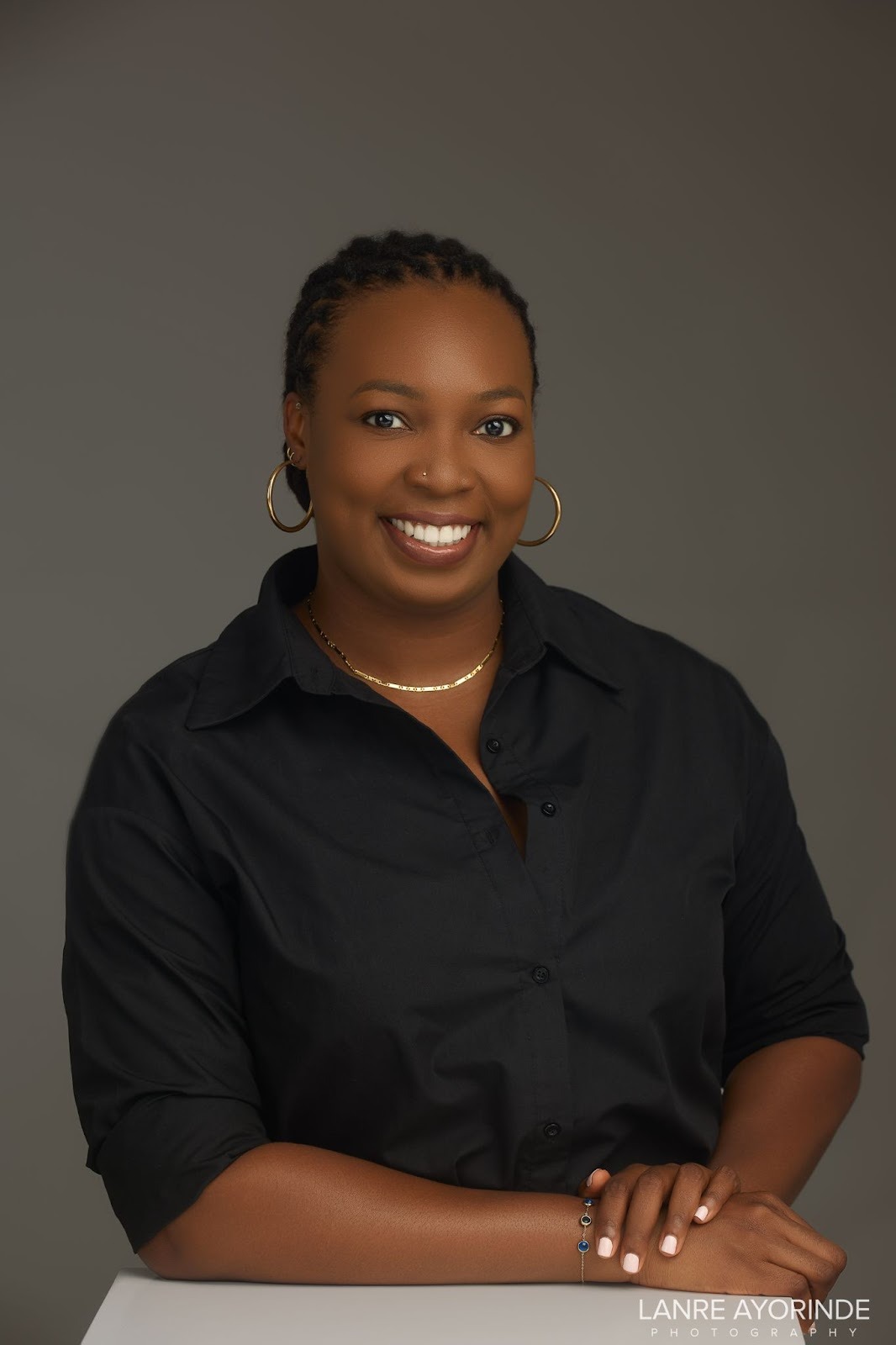
— Wendz Connoisseur, founder, Margarita Festival Africa
Wendz Connoisseur, the creative force behind Margarita Festival Africa, is bringing back West Africa’s biggest margarita and tequila celebration. As the festival returns on November 30, 2025, she tells Business a.m.’s Onome Amuge how what began as a playful toast to cocktail culture has evolved into a showcase of Africa’s growing appetite for lifestyle experiences and hospitality innovation.
This year marks the 10th edition of Margarita Festival Africa. How does it feel to have reached this milestone and how has the audience profile changed since the early editions of MFAF?
It feels great. surreal and a little scary at the same time, but mostly fulfilling. Ten editions across three African countries and four cities is no small feat. What’s most exciting is how the audience has evolved. We’ve gone from having mostly friends and family show up to people who genuinely love the idea of the festival and attend without even knowing me personally. That growth is everything.
What makes Lagos a fitting home for this year’s festival? In economic terms, how significant is the festival’s impact on Lagos’ hospitality and creative sectors?
Lagos is home for me, so it wasn’t just a strategic choice but a personal one. But beyond that, Lagos is the heartbeat of Nigeria’s hospitality scene. Hosting Margarita Fest at the end of November also aligns perfectly with when the “I Just Got Backs” ( IJGBs) and foreigners start arriving for Detty December. The festival contributes to the local economy, from hotels and food vendors to creatives and small businesses, so yes, we’re definitely helping grow Nigeria’s GDP, one margarita at a time.
The festival now includes art, food, music, and fashion. What prompted this broadening beyond cocktails?
Feedback… People wanted more, and we listened. Plus, these are all things I personally enjoy. By infusing art, food, music, and fashion, and even a mini circus, we’re attracting a wider audience while still keeping drinks and cocktail culture at the core of the experience.
What role do you think festivals like MFAF can play in diversifying Nigeria’s economy beyond oil?
Nigerians love to have a good time. When people are happy and expressive, they spend, and they spend well. Festivals like ours give small business owners a platform, brands a chance to connect with consumers, and everyone involved pays taxes, I believe. So, the entire ecosystem benefits. It’s a win-win.
How do you adapt the brand’s identity to resonate across diverse cultural contexts in West Africa? Are there plans to take the festival beyond West Africa in the future?
We’re keeping it African. It’s starting with West Africa but expanding one location at a time. Our brand identity is flexible enough to absorb local cultures while maintaining the core festival spirit. We want every attendee, regardless of country, to feel like a child again, carefree and joyful. That feeling is universal.
What have been the main challenges in sustaining the festival financially, especially through economic downturns?
Honestly? The answer’s in the question. FINANCES. It’s always the money.
In what ways do you balance commercial ambition with maintaining the festival’s cultural authenticity?
We haven’t compromised yet. We work within our budgets to curate memorable experiences so that no matter the scale, attendees still get the full Margarita Fest vibe. It’s about creativity, not excess.
How would you describe the current state of Africa’s experiential and lifestyle economy?
The life! There’s so much energy, innovation, and self-expression happening right now. People are creating experiences that feel deeply African yet globally relevant.
What trends in consumer behaviour are shaping how you design future editions?
People’s interests and spending power. We pay close attention to how audiences spend, what excites them, and how to offer value that matches their expectations. Festivals like ours prove that joy can be an economic driver.
Sustainability has become central to global event planning. What steps is MFAF taking in that regard?
We’ve already made progress in that area. At the bars, we use paper cups and straws, and this year, we’ve partnered with a recycling company to manage single-use plastics more responsibly. It’s a continuous journey, but we’re committed to doing better.
When you think about legacy, what do you hope Margarita Festival Africa represents for the continent’s cultural economy?
I want it to be a brand that stands on its own. One that people love without needing to know who’s behind it. My dream is to attend the festival one day as just another guest, having the time of my life. I want it to outlive me and continue serving the people it was created for.
Looking ahead, what will the next five years of MFAF look like?
A franchise festival across different parts of Africa, with merchandise and brand associations that go beyond just the event. Margarita Festival Africa is evolving into a full-fledged brand that represents culture, fun, and creativity across the continent.