As the world grows increasingly dependent on digital connectivity, governments and industry leaders from over 70 countries have renewed their commitment to safeguarding submarine telecommunications cables, the undersea lifelines that carry more than 99 percent of international data traffic.
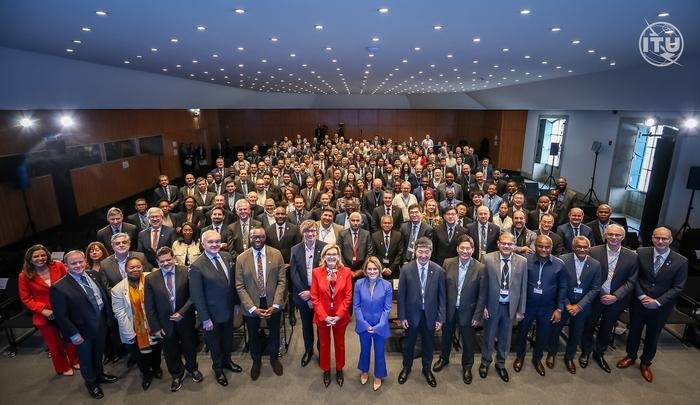
This resolve was solidified at the International Submarine Cable Resilience Summit 2026, held in Porto, Portugal. The summit comes amid mounting concerns over the vulnerability of these underwater networks, which are critical to global communications, trade, and essential public services.
According to the International Telecommunication Union (ITU), subsea cables experience more than 200 faults worldwide each year. These disruptions can ripple across economies, hinder access to information, and disrupt essential services, affecting billions of people globally. Today, about 500 submarine cables stretch over 1.7 million kilometres across the ocean floor, forming the backbone of global digital infrastructure and supporting socio-economic development across continents.
The Porto meeting builds on efforts that began in Africa with the inaugural International Submarine Cable Resilience Summit in Abuja in 2025. It also marked the second in-person gathering of the International Advisory Body on Submarine Cable Resilience, highlighting Nigeria’s growing influence in shaping international digital infrastructure policy.
At the summit, participants endorsed a joint declaration and a comprehensive set of recommendations developed by the Advisory Body. The guidelines are designed to enhance cooperation between governments, regulators, and private operators, with a focus on improving resilience, reducing cable downtime, and accelerating repair efforts especially in underserved or high-risk regions.
“When it comes to critical digital infrastructure like submarine cables, resilience is both an end-to-end imperative and a shared responsibility,” said Doreen Bogdan-Martin, ITU secretary-general. She emphasised that the outcomes from Porto reflect a global determination to turn cooperation into concrete improvements in policy coordination, operational readiness, and long-term investment planning.
Nigeria played a prominent role at the summit. Bosun Tijani, the country’s minister of communications,innovation and digital economy, co-chaired the Advisory Body and highlighted the progress achieved over the past two years through close collaboration among governments, regulators, and industry stakeholders.
“Continued international cooperation, capacity-building, and dialogue will be essential to implementing these recommendations,” Tijani noted, stressing the importance of support from organisations such as the ITU and the International Cable Protection Committee (ICPC) in sustaining momentum.
The Advisory Body’s recommendations set out several priority actions, including, streamlining permitting, maintenance and repair processes; strengthening legal and regulatory frameworks; promoting geographic diversity and redundancy in cable routes; and encouraging industry best practices for assessing and responding to risks. It also calls for improved coordination across marine sectors, expanded training programmes and greater use of new technologies to enhance cable protection.
Subsea cable risks are not confined to remote waters. The Red Sea, a vital corridor connecting Europe, Asia, and Africa, remains a high-risk zone due to security challenges and limited access, forcing operators to reroute traffic and placing additional strain on alternative routes.
For Nigeria, the stakes are particularly high. The country serves as a landing point for eight major submarine cables, including MainOne, SAT-3/WASC, GLO-1, GLO-2, ACE, WACS, Equiano, and 2Africa, which carry over 95 percent of the nation’s international internet and communications traffic. Most of these cables land in Lagos, with expansion into other coastal states underway. The country’s strategic position has made it a key voice in global subsea cable resilience efforts.