

Onome Amuge
The return of 54 Nigerian professionals from the 2025 Mandela Washington Fellowship is drawing renewed attention to the role of global leadership programmes in shaping Nigeria’s private sector, civic space and public institutions at a time of mounting economic pressure.
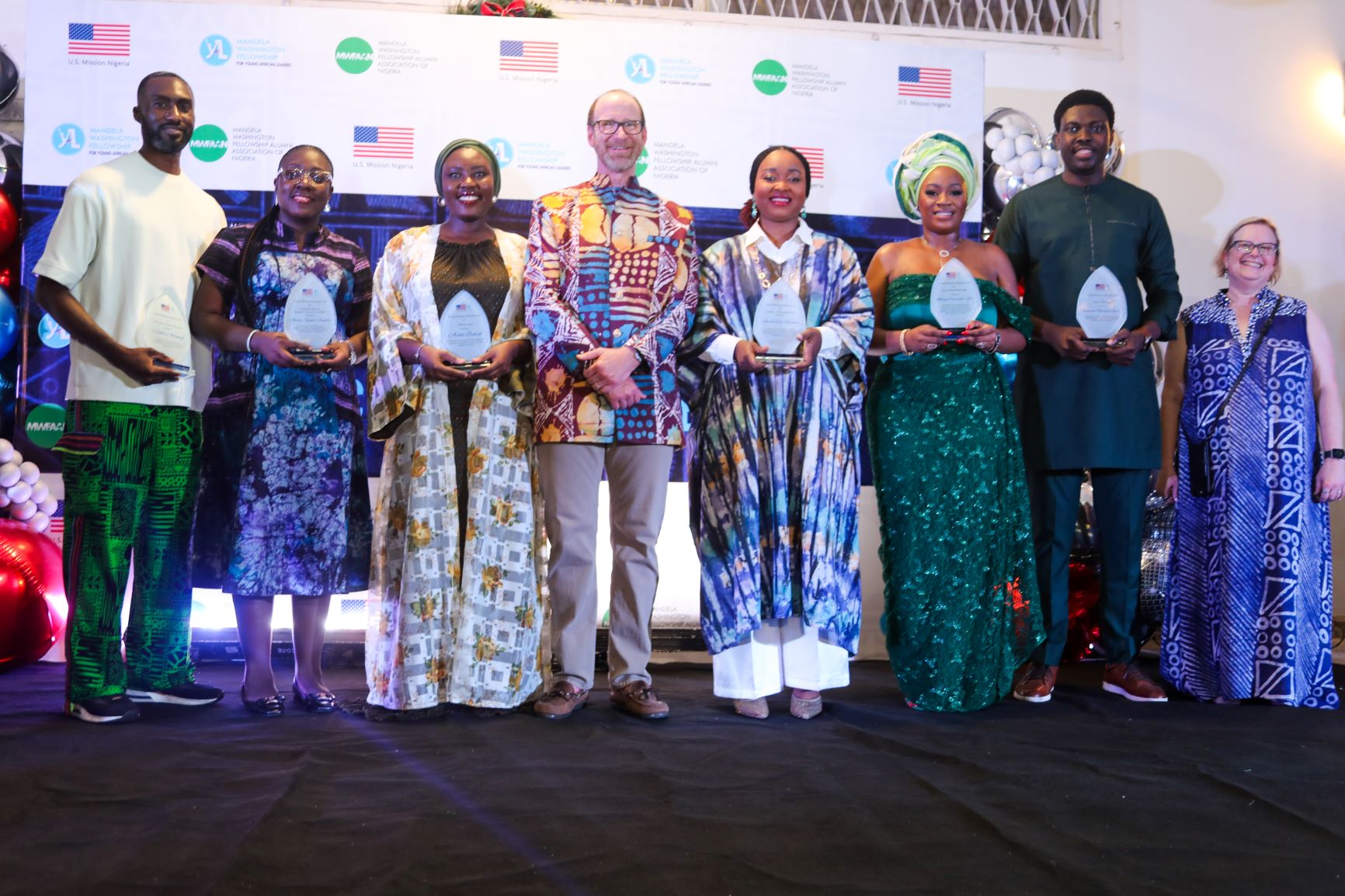
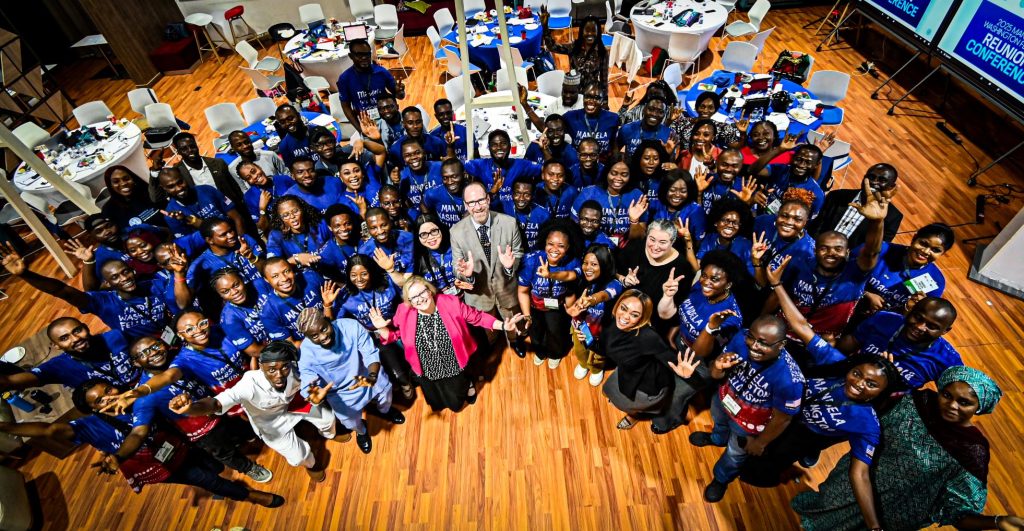
The fellows, selected from more than 7,400 applicants, were formally welcomed back at a reception hosted by the U.S. Mission in Lagos on December 9, after completing leadership institutes at leading universities in the United States. While the event celebrated individual excellence, its significance lies in how such international exposure is increasingly feeding into Nigeria’s entrepreneurial ecosystem and reform agenda.
Nigeria remains Africa’s largest contributor to the Mandela Washington Fellowship, with 678 participants since the programme was launched in 2014. That scale has helped to create a sizable pool of globally trained professionals who are now active across business, technology, civil society and government. In an economy where skills gaps, weak institutions and limited access to capital continue to constrain growth, the influence of this cohort is becoming more visible.
Speaking at the event, U.S. Consul General Rick Swart emphasised the importance of translating global exposure into local impact, noting that fellows are now part of a 14,000-strong U.S. exchange alumni network in Nigeria. Beyond diplomacy, that network has evolved into a platform for partnerships, deal-making and peer learning, particularly for founders and senior managers operating in competitive sectors.
Several of the alumni recognised at the ceremony illustrate how leadership development programmes can intersect with enterprise building. Adepeju Jaiyeoba, founder of Mother’s Delivery Kit, is addressing gaps in maternal healthcare supply chains through a social enterprise model. Ifedayo Durosinmi-Etti’s Herconomy operates at the intersection of financial technology and women’s economic inclusion, an area gaining traction as banks and investors look to underserved markets.
In the employment space, Asher Adeniyi, chief executive of Gidijobs and Eazipay, is building platforms that target payroll automation and job matching for small and medium-sized businesses. With MSMEs accounting for the majority of Nigeria’s employment but struggling with productivity and compliance costs, such solutions are increasingly relevant.
Other honourees were recognised for work that supports the wider business environment rather than direct profit generation. These included initiatives in mental health advocacy, disability inclusion, justice reform and public-sector mentoring.
The fellowship’s emphasis on collaboration was also highlighted, with awards recognising alumni who have built partnerships across the YALI and U.S. exchange networks. Such horizontal connections are viewed as critical in a fragmented economy where siloed efforts often limit scale.

