Onome Amuge
Global food prices registered an increase in July, as record-high meat and vegetable oil quotations offset declines in the cereals and sugar markets. The FAO Food Price Index averaged 130.1 points, a rise of 1.6 per cent from the previous month.
The increase was primarily driven by the FAO Meat Price Index, which hit a new all-time high, climbing 1.2 per cent from June. This increase was led by bovine and ovine meat prices, which were buoyed by rising global import demand, particularly from China and the United States. Supply from major exporters, including Australia and Brazil, struggled to keep pace, pushing prices for bovine and ovine meats to record levels. Poultry prices also saw a slight uptick as Brazilian exports recovered following the easing of trade restrictions, though this was partially offset by a decline in pig meat prices due to ample supplies in the European Union.
Meanwhile, the FAO Vegetable Oil Price Index rose to a three-year high, increasing by 7.1 per cent month-on-month. The rally was fuelled by higher prices for palm, soy, and sunflower oils. Palm oil was underpinned by strong import demand, while soy oil quotations were boosted by rising prospects of firm feedstock demand from the biofuel sector in the Americas. Sunflower oil prices also rose due to seasonally tightening supplies in the Black Sea region, although the arrival of a new crop in Europe helped to moderate a decline in rapeseed oil.
In contrast, prices for staple crops faced downward pressure. The FAO Cereal Price Index fell by 0.8 per cent, its value now 3.8 per cent lower than a year ago. Abundant seasonal supplies from the northern hemisphere’s winter wheat harvests helped to push prices lower, although this was partly mitigated by below-average conditions for spring wheat in North America and a reluctance among farmers in Europe and the Black Sea region to sell. International maize prices were similarly pressured by slow selling interest, as well as dry conditions in Eastern Europe and parts of Ukraine.
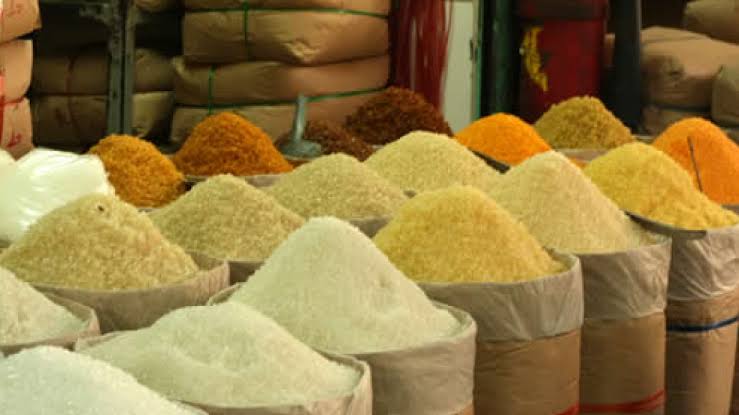
The FAO Sugar Price Index marked its fifth consecutive monthly decline, falling by 0.2 per cent. The drop was largely attributed to forecasts of a rebound in global sugar production for the 2025/26 season, with expectations of larger outputs from key producers India and Thailand. Favourable weather conditions in Brazil’s southern growing regions also contributed to the bearish sentiment, though a rebound in global import demand helped to cap the overall price slide.
Meanwhile, the FAO Dairy Price Index was largely flat, experiencing a marginal decline of 0.1 per cent,the first since April 2024. Lower international prices for butter and milk powders from Oceania were almost entirely offset by continued increases in cheese quotations, supported by sustained demand from Asian and Near East markets