
Global food prices climbed to their highest level since September last year in March, driven by rising energy costs linked to the ongoing Middle East conflict, the United Nations Food and Agriculture Organization (FAO) has reported. While strong cereal stocks provide a temporary cushion, the FAO cautioned that prolonged geopolitical tensions and higher fertilizer expenses could reduce planting, depress yields, and push food commodity prices further upward through 2026.
The FAO Food Price Index, which tracks international prices of a basket of globally traded food commodities, averaged 128.5 points in March, up 2.4 per cent from February and 1.0 per cent higher than the same period last year. The increase marks the second consecutive month of rising prices, largely influenced by higher crude oil costs, which feed into fertilizer and biofuel demand.
“Price rises since the conflict began have been modest, driven mainly by higher oil prices and cushioned by ample global cereal supplies. But if the conflict lasts beyond 40 days with high input costs and thin margins, farmers may reduce inputs, plant less, or switch to less fertilizer-intensive crops. Those choices will hit future yields and shape food supply and commodity prices for the rest of this year and into next,” said Máximo Torero, the FAO chief economist.
The FAO Cereal Price Index rose 1.5 per cent in March, led by a 4.3 per cent increase in international wheat prices. Adverse weather in the United States and expectations of lower plantings in Australia, due to rising fertiliser costs, contributed to the increase.
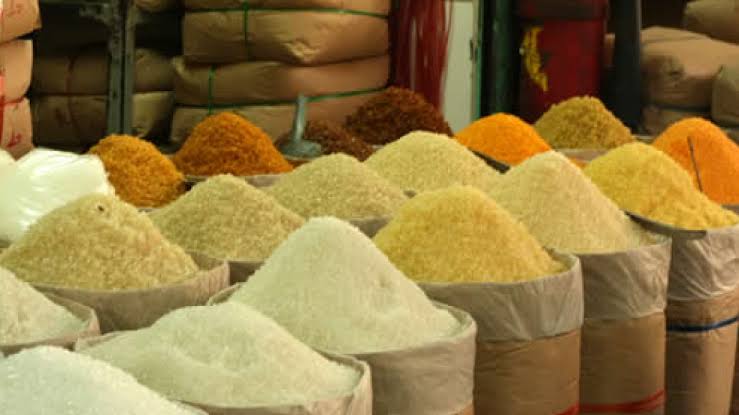
Global maize prices edged higher but remained supported by abundant supply, while rice prices fell 3.0 per cent, reflecting harvest timing, weaker import demand, and currency fluctuations.
FAO forecasts global cereal production in 2025 to reach a record 3.036 billion metric tonnes, up 5.8 per cent year-on-year. Wheat production is expected at 820 million tonnes, slightly down from last year, while rice output could hit 563.3 million tonnes, boosted by strong harvests in Bangladesh, Brazil, China, India, and Indonesia.
Despite strong overall production, Torero cautioned that energy-driven fertilizer costs and the potential shift toward less intensive crops could introduce uncertainty into future yields.
Vegetable oil prices increased 5.1 per cent, marking the third consecutive monthly rise. Palm, soy, sunflower, and rapeseed oils all gained, reflecting rising crude oil prices and expectations of stronger biofuel demand. Palm oil prices hit their highest levels since mid-2022.
Sugar prices jumped 7.2 per cent, reaching their peak since October 2025. Analysts attribute the increase to expectations that Brazil, the world’s largest sugar exporter, will divert more sugarcane into ethanol production amid higher crude oil prices.
Meat prices rose 1.0 per cent, driven by higher pig meat prices in the European Union and increased bovine meat costs in Brazil. Poultry and ovine meat prices, however, declined slightly due to logistical constraints in the Near East. Dairy prices also climbed 1.2 per cent, primarily supported by milk powder shortages in Oceania, while cheese prices in the EU fell amid high production and weak exports.
The FAO noted that the escalation of conflict in the Middle East, particularly around the Strait of Hormuz, has had direct and indirect consequences for agriculture. Rising energy and fertilizer costs, combined with potential supply chain disruptions, are expected to exert upward pressure on global food prices in the near term.
“Higher oil prices feed into fertilizer costs, transportation, and biofuel demand, all of which influence food markets. If the conflict persists, the ripple effects could impact planting decisions, yields, and commodity availability for 2026 and beyond,” Torero said.
Despite the price rises, global food stockpiles remain comfortable. FAO projects that global cereal stocks at the end of the 2025/26 marketing year will reach 951.5 million tonnes, up 9.2 per cent, supporting a global stock-to-use ratio of 32.2%. World cereal utilization is expected to grow 2.4 per cent to 2.945 billion tonnes, while international cereal trade could reach 505.3 million tonnes.
FAO’s Agricultural Market Information System (AMIS) highlighted the need for vigilance. The agency’s March Market Monitor emphasised that ongoing geopolitical tensions, combined with energy price volatility, could significantly influence food security, particularly in import-dependent regions.







