Onome Amuge

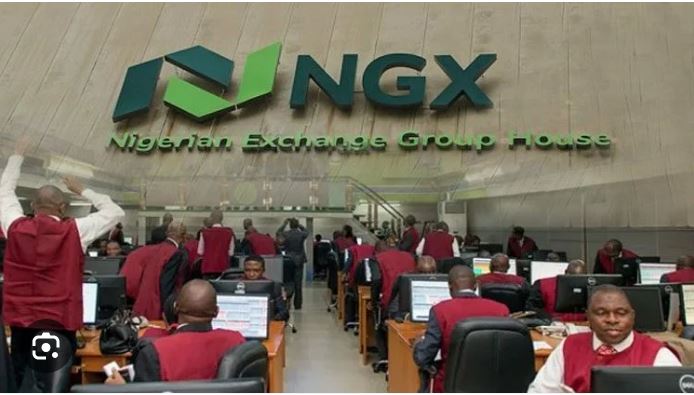
Nigeria’s equities market experienced an extended bearish performance on Wednesday, halting a period of sustained momentum as investors engaged in widespread profit-taking. The Nigerian Exchange (NGX) All-Share Index (ASI) shed 0.73 per cent to close at 141,566.30 points, wiping out N662.5 billion in market value in a single trading session.
The market capitalisation of the bourse fell to N89.56 trillion, from N90.22 trillion the previous day, marking the second consecutive day of losses and bringing the cumulative decline to over N2 trillion in just two days.
The sell-off was a broad-based affair, evidenced by a distinctly negative market breadth, with 50 stocks declining against just 18 that saw gains. The lopsided sentiment reflects a move by investors to offload positions across multiple sectors after a period of robust gains that had pushed the year-to-date return to a high of 37.54 per cent, a figure that has now moderated. The downward trend was most pronounced in the insurance sector, which suffered the heaviest losses, but the slump also affected a diverse range of blue-chip companies.
The day’s market rout was led by Guinness Plc and Conoil Plc, two of Nigeria’s most prominent companies. Both stocks recorded a price depreciation of 9.98 per cent, reflecting a deep-seated bearish sentiment that targeted key players in the consumer goods and oil sectors.
Guinness Plc saw its share price plunge by N15.55, closing at N140.20 from its opening price of N155.75 per share. The sharp decline in a major consumer goods player is indicative of a broader industry slump.
The consumer goods sector as a whole was down by 1.90 per cent, the second-worst performance among the major sectors. This weakness can be attributed to several factors, including Nigeria’s persistent inflationary pressures, which continue to erode consumer purchasing power. High inflation forces households to prioritise essential goods over discretionary items like beer and spirits, putting a direct strain on the revenues and profit margins of companies like Guinness. Investors may also be reacting to concerns over raw material costs, which have risen due to currency depreciation and global supply chain disruptions, further squeezing profitability.
In a similar vein, Conoil Plc, a key player in the downstream oil sector, experienced a major loss, with its share price declining by N23.40 to close at N211.10. This was a sharp reversal for a company in a sector that was the only one to record a gain on the day, albeit a minimal one of 0.11 per cent. While the overall oil and gas sector benefited from a favourable operating environment, Conoil’s specific performance may point to profit-taking after a recent period of strong share price appreciation. Furthermore, the company’s exposure to the volatile fuel distribution and retail sector, which has been impacted by policy shifts and competition, could have made it a target for investors looking to lock in gains. The fact that Conoil’s sell-off was so pronounced, even as its sector showed resilience, indicates that it may have been overbought and was due for a correction.
Other notable losers included Consolidated Hallmark which lost 9.94 per cent and Ellah Lakes which fell by 9.81 per cent, reinforcing the negative breadth that defined the day’s trading.
The negative performance was not limited to individual stocks but was a sectoral affair. The Insurance sector was the hardest hit, with a steep decline of 7.20 per cent, reflecting ongoing concerns about the sector’s vulnerability to macroeconomic volatility and regulatory changes. The Banking sector was also under pressure, shedding 1.22 per cent. This decline can be linked to the CBN’s tight monetary policy, which has been holding interest rates at a high of 27.5 per cent. While higher rates can benefit bank lending margins, they also pose a risk by potentially increasing the rate of loan defaults as borrowing costs become prohibitive for businesses and individuals.
The Industrial Goods sector also saw a marginal decline of 0.01 per cent, while the Commodity sector remained unchanged. The lone bright spot was the Oil & Gas sector, which recorded a 0.11 per cent gain. This positive performance was likely influenced by firming crude oil prices in the international market, which provided a buffer against the widespread selling pressure seen on the NGX.
Adding to the picture of subdued market sentiment was a significant drop in trading activity. The total number of deals fell by 17.54 per cent to 28,745, while the total trading volume decreased by 29.37 per cent to 721.82 million units. The value of trades also plunged by 25.79 per cent to N12.93 billion. This sharp reduction in activity points to a general withdrawal of investor participation, with many traders opting to stay on the sidelines rather than engaging in the volatile market.
The events of the past two days have led to a collective loss of over N2 trillion, raising questions about whether the market is undergoing a healthy correction or if it is signalling a more sustained change in direction. Analysts attribute the current sell-off primarily to profit-taking by investors who have enjoyed significant gains since the beginning of the year. This is considered a normal market behaviour after a strong bull run, allowing investors to lock in returns and re-evaluate their positions.