

Onome Amuge
Africa’s ambition to build a more integrated economic bloc under the African Continental Free Trade Agreement (AfCFTA) gained fresh momentum after a record-breaking $48.3 billion in trade and investment deals were sealed at the close of the fourth Intra-African Trade Fair (IATF2025) in Algiers.
The scale of transactions, considered the highest in the fair’s history, showcased not only Africa’s growing internal market opportunities but also the continent’s determination to use AfCFTA as a platform for industrialisation, diversification and resilience amid global economic headwinds.
The weeklong event, which ran from September 4–10, drew over 112,000 physical and virtual visitors from 132 countries, nearly 1,000 international buyers and more than 2,100 exhibitors across sectors ranging from automotive and manufacturing to agriculture, fintech and creative industries. The numbers reinforced IATF’s position as Africa’s largest marketplace for trade and investment opportunities.
Speaking at the closing ceremony, former Nigerian president Olusegun Obasanjo, chairman of the IATF2025 Advisory Council, hailed the outcome as a seed of future prosperity for the continent. He stressed that while the fair had surpassed expectations, its true value lay in creating pathways for African businesses to leverage AfCFTA’s promise of a borderless $3.4 trillion market.
“Through vibrant exchanges and partnerships, IATF2025 has exceeded our expectations and now stands as the biggest ever. It has sown the seed of future prosperity for our shared vision of an economically integrated Africa,”he said.
Host nation Algeria was a standout winner, capturing $11.4 billion worth of contracts, or nearly a quarter of all deals closed at the fair. A further $11.6 billion in commitments remain under negotiation, largely focused on infrastructure, energy and industrial manufacturing. “The scale of commitments secured by Algerian companies demonstrates how North Africa is leveraging AfCFTA to entrench industrial capacity and expand southward,” said Kanayo Awani, executive vice president of Intra-African Trade at Afreximbank.
Beyond the headline deals, the fair marked a structural shift in the continent’s trade governance. Delegates agreed to institutionalise the IATF as a treaty-based entity (IATFCO) with a permanent headquarters in Harare, Zimbabwe.
“This development embeds IATF in Africa’s trade architecture, giving it permanence and legitimacy. It is a crucial complement to AfCFTA implementation,” noted Amina Omar, a trade policy analyst at the African Trade Observatory.
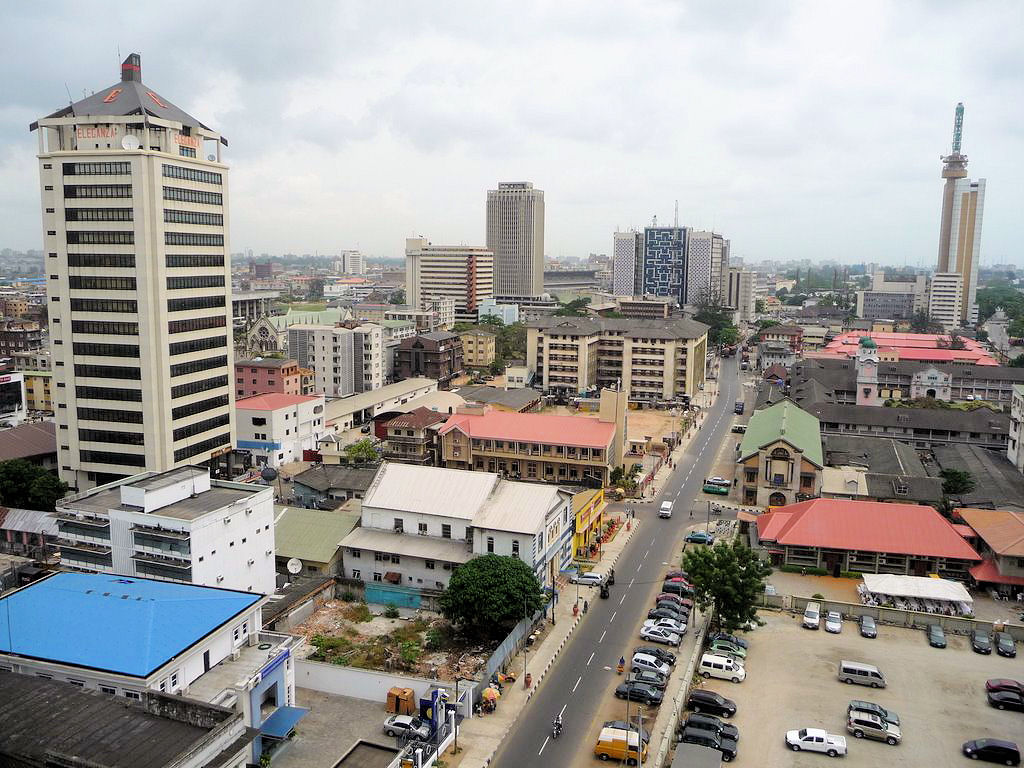
Nigeria will host the next edition of the fair in Lagos in 2027. At the closing ceremony, Jumoke Oduwole,Nigeria’s trade minister, received the hosting flag, pledging that Lagos would build on Algiers’ success to make IATF an even stronger catalyst for continental trade.
Nigeria’s Cross River State also secured hosting rights for the Sixth African Sub-Sovereign Governments Network (AfSNET) Investment Conference in 2026, an event designed to mobilise subnational entities into AfCFTA’s trade and investment framework.
The fair’s awards segment highlighted not only commercial scale but also competition among African exhibitors to project innovation and sustainability. Nigeria clinched Best Stand, while Ogun State was recognised for sustainability with the Most Green Stand award. Algeria’s Ministry of Arts and Culture received the CANEX Award, and Fiat Stellantis won the Africa Automotive Show Award.
Despite the triumphal mood, analysts caution that the scale of signed deals does not guarantee seamless implementation. Barriers such as non-tariff restrictions, poor transport infrastructure and regulatory fragmentation still constrain intra-African trade, which accounts for less than 20 per cent of the continent’s commerce.








Oil windfall expectations from the Middle East crisis