A new global assessment of energy infrastructure resilience has placed Iceland at the forefront of the transition to low-carbon electricity, underscoring widening disparities in how nations generate and consume power amid mounting climate and efficiency pressures.
The March 2026 report by Energy World Mag evaluated 76 countries using a composite Clean Energy Sustainability Index (CESI), ranking power systems based on carbon intensity, efficiency, renewable penetration, and long-term resilience. The findings highlight a growing divide between countries leveraging natural and policy advantages to build sustainable grids and those still heavily reliant on fossil fuels.
At the top of the ranking, Iceland recorded the lowest carbon intensity globally at just 28 grammes of CO₂ per kilowatt-hour (gCO₂/kWh), positioning its electricity grid as the cleanest in the world. The country’s performance is driven largely by its extensive use of geothermal and hydroelectric resources, which account for over 82 per cent of its total energy consumption, while fossil fuels contribute just 10.3 per cent.
The report shows a clear dominance of Nordic economies in the global clean energy landscape. Norway ranked second, supported by its heavy reliance on hydroelectric power, which accounts for nearly 90 per cent of electricity production. The country also showcases strong energy efficiency, requiring just 1.1 kWh of energy to generate one dollar of GDP.
Sweden followed closely, with a diversified energy mix that combines hydroelectric, nuclear, and renewable sources. Only about a quarter of Sweden’s electricity comes from fossil fuels, while renewable energy accounts for a majority share, contributing to relatively low emissions of 34.8 gCO₂/kWh.
The prominence of these countries reflects a combination of favourable geography and long-standing policy commitments to sustainability. Access to abundant natural resources, particularly water and geothermal energy, has enabled them to build low-carbon grids at scale, a model that may be difficult to replicate in other regions without similar endowments.
Beyond carbon intensity, the report highlights energy efficiency as a critical determinant of sustainability. Switzerland emerged as the most energy-efficient economy among the top-ranked countries, requiring just 0.51 kWh of energy to generate one dollar of GDP.
Switzerland’s performance reflects a balanced energy mix, with significant contributions from hydroelectric power alongside controlled use of fossil fuels. This diversified approach enhances grid resilience while maintaining relatively low emissions.
France also ranked among the top five, benefiting from its substantial reliance on nuclear energy, which accounts for a large share of electricity generation. With a carbon intensity of 40.8 gCO₂/kWh, France demonstrates how nuclear power can play a pivotal role in reducing emissions while ensuring energy stability.
Other notable performers include Finland, New Zealand, and Brazil, each combining renewable resources with varying degrees of fossil fuel dependence to maintain relatively sustainable power systems.
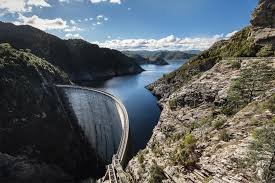
A key trend across the top-ranked countries is the central role of hydroelectric power. In Norway, hydro accounts for 89.1 per cent of electricity production, while Iceland and Brazil also derive a significant share of their energy from water-based sources.
A spokesperson for Energy World Mag emphasised that natural resource advantages have played a decisive role in shaping the world’s cleanest energy systems.
“Some of the world’s cleanest power systems benefit from geography as much as policy. Replicating these models elsewhere will require substantial investment in infrastructure, storage technologies, and grid modernisation,” the spokesperson said.