
Impact Investors Foundation moves Nigeria beyond advocacy with $8bn inclusive capital plan

Onome Amuge

Nigeria’s investment sector is on the verge of a structural reset as the Impact Investors Foundation (IIF) rolled out its Gender Equity and Social Inclusion (GESI) Roadmap 2025–2035 at the third Gender Impact Investment Summit in Lagos, shifting the conversation from mere discussions on inclusive growth to concrete commitments capable of reshaping the country’s financial and development architecture.

The roadmap, developed in partnership with PwC Nigeria, aims to mobilise $8 billion in inclusive capital over the next decade, but its implications stretch far beyond the figures. By embedding gender equity and social inclusion into the core of Nigeria’s investment and policy environment, the initiative positions the country at the forefront of a global movement toward inclusive capitalism.

Over the past five years, Nigeria has witnessed increased conversations about bridging the gender and social inclusion financing gap. However, such conversations often stalled at the level of advocacy. The GESI Roadmap marks a break from that pattern. For the first time, there is a structured, time-bound framework backed by measurable targets including; 40 inclusive financial products, $1.5 billion in mobilised domestic pools, 20 policy reforms, and a 90 per cent adoption of GESI principles by general partners.

“This roadmap is a blueprint for a fundamental shift in Nigeria’s economy. It is about democratizing capital and ensuring women, youth, and people with disabilities are not just participants but beneficiaries and drivers of growth,”said Etemore Glover, IIF’s CEO. 

Nigeria’s economic reality makes the roadmap particularly urgent. According to the National Bureau of Statistics (NBS), women and young people make up the majority of Nigeria’s micro and small enterprise (MSE) operators, yet these groups face persistent barriers to finance.

For many analysts, unlocking inclusive capital is not just about equity—it is about efficiency. “The GESI roadmap moves us beyond aspiration to accountability. Closing gender and inclusion gaps is about unlocking Nigeria’s full economic potential. It’s an economic growth strategy, not charity,” said Ibukun Awosika, Chair of GSG Nigeria Partner and Vice Chair of GSG Impact. 

PwC’s involvement further signals that mainstream finance is beginning to view inclusive capital not as a side issue but as a viable pathway to long-term returns.

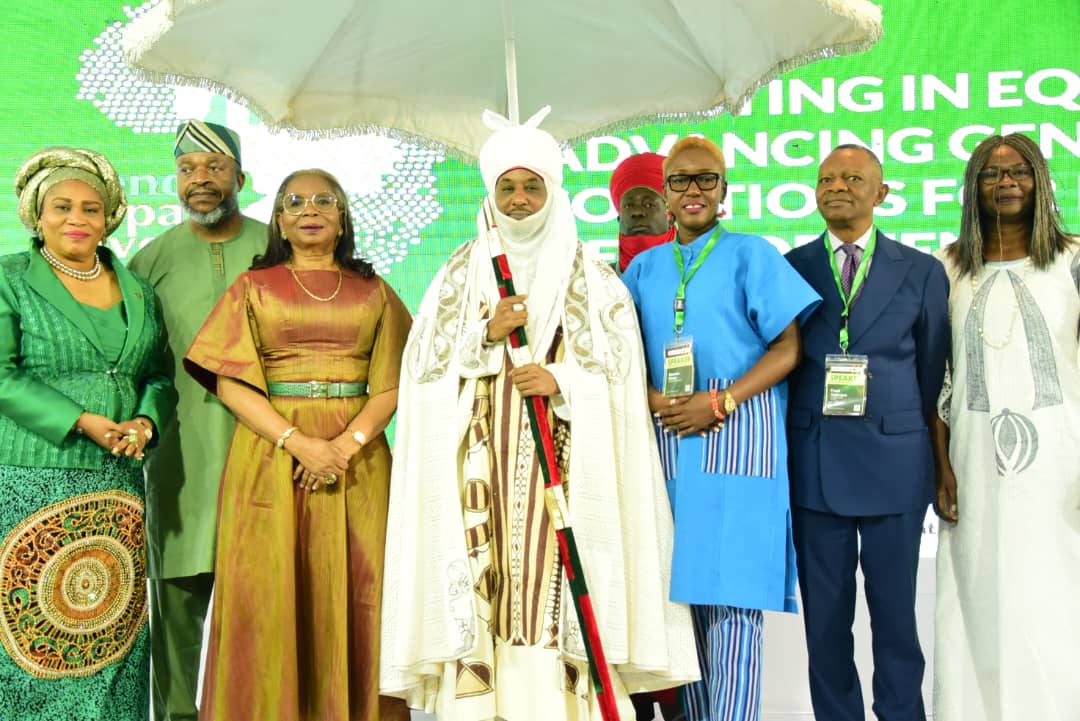
L-R: Toyin Sanni, executive vice-chair, Emerging Africa Group; Charles Usie, country director, PLAN International; Ibukun Awosika, chair, GSG Nigeria Partner and vice chair, GSG Impact;  Khalifa Muhammad Sanusi II, Sarkin Kano; Etemore Glover, CEO, Impact Investors Foundation; Frank Aigbogun, chair, Impact Investors Foundation; Uwa Osa-Oboh, head of corporate development, Capital Alliance Nigeria at the 3rd Gender Impact Investment Summit in Lagos, recently 

The Lagos launch drew international voices that reinforced Nigeria’s role in the global gender-lens investing movement. Jessica Espinoza, CEO of 2X Global, reminded participants that progress is strategic, not accidental, describing the roadmap as a critical framework for dismantling entrenched financial barriers.

In furtherance, the local framing of the Nigeria Inclusive Capital Commitment 2035 campaign gives the initiative its distinctive weight. By securing pledges from government agencies, financial intermediaries, and market builders, the campaign seeks to institutionalise inclusive finance within Nigeria’s political economy.

This is considered crucial in a country where well-intentioned frameworks often collapse at the implementation stage. By insisting on commitments, pledges, and measurable targets, the GESI Roadmap challenges stakeholders to move from symbolism to substance.

One of the most practical features of this year’s summit was the introduction of an in-person deal room, an investment matchmaking platform connecting women-led and women-owned enterprises with capital providers.

Beyond mobilising capital, the GESI Roadmap recognises that regulatory and policy reforms are essential to dismantling systemic exclusion. Its target of securing 20 new policy and regulatory instruments over the next decade points to a deliberate attempt to rewire the enabling environment.

This ambition aligns with IIF’s track record in policy advocacy. The foundation previously spearheaded the establishment of the Nigerian National Advisory Board for Impact Investing (NABII), which played a central role in securing government backing for the $1 billion Nigerian Wholesale Impact Investment Fund (WIIF).

The roadmap’s development involved support from PwC Nigeria, GIZ, the Federal Ministry of Women Affairs, the Ministry of Youth Development, and the UK-funded Research and Innovation Systems for Africa (RISA) Fund.


Leave a Comment

Impact Investors Foundation moves Nigeria beyond advocacy with $8bn inclusive capital plan

Onome Amuge

Nigeria’s investment sector is on the verge of a structural reset as the Impact Investors Foundation (IIF) rolled out its Gender Equity and Social Inclusion (GESI) Roadmap 2025–2035 at the third Gender Impact Investment Summit in Lagos, shifting the conversation from mere discussions on inclusive growth to concrete commitments capable of reshaping the country’s financial and development architecture.

The roadmap, developed in partnership with PwC Nigeria, aims to mobilise $8 billion in inclusive capital over the next decade, but its implications stretch far beyond the figures. By embedding gender equity and social inclusion into the core of Nigeria’s investment and policy environment, the initiative positions the country at the forefront of a global movement toward inclusive capitalism.

Over the past five years, Nigeria has witnessed increased conversations about bridging the gender and social inclusion financing gap. However, such conversations often stalled at the level of advocacy. The GESI Roadmap marks a break from that pattern. For the first time, there is a structured, time-bound framework backed by measurable targets including; 40 inclusive financial products, $1.5 billion in mobilised domestic pools, 20 policy reforms, and a 90 per cent adoption of GESI principles by general partners.

“This roadmap is a blueprint for a fundamental shift in Nigeria’s economy. It is about democratizing capital and ensuring women, youth, and people with disabilities are not just participants but beneficiaries and drivers of growth,”said Etemore Glover, IIF’s CEO. 

Nigeria’s economic reality makes the roadmap particularly urgent. According to the National Bureau of Statistics (NBS), women and young people make up the majority of Nigeria’s micro and small enterprise (MSE) operators, yet these groups face persistent barriers to finance.

For many analysts, unlocking inclusive capital is not just about equity—it is about efficiency. “The GESI roadmap moves us beyond aspiration to accountability. Closing gender and inclusion gaps is about unlocking Nigeria’s full economic potential. It’s an economic growth strategy, not charity,” said Ibukun Awosika, Chair of GSG Nigeria Partner and Vice Chair of GSG Impact. 

PwC’s involvement further signals that mainstream finance is beginning to view inclusive capital not as a side issue but as a viable pathway to long-term returns.

L-R: Toyin Sanni, executive vice-chair, Emerging Africa Group; Charles Usie, country director, PLAN International; Ibukun Awosika, chair, GSG Nigeria Partner and vice chair, GSG Impact;  Khalifa Muhammad Sanusi II, Sarkin Kano; Etemore Glover, CEO, Impact Investors Foundation; Frank Aigbogun, chair, Impact Investors Foundation; Uwa Osa-Oboh, head of corporate development, Capital Alliance Nigeria at the 3rd Gender Impact Investment Summit in Lagos, recently 

The Lagos launch drew international voices that reinforced Nigeria’s role in the global gender-lens investing movement. Jessica Espinoza, CEO of 2X Global, reminded participants that progress is strategic, not accidental, describing the roadmap as a critical framework for dismantling entrenched financial barriers.

In furtherance, the local framing of the Nigeria Inclusive Capital Commitment 2035 campaign gives the initiative its distinctive weight. By securing pledges from government agencies, financial intermediaries, and market builders, the campaign seeks to institutionalise inclusive finance within Nigeria’s political economy.

This is considered crucial in a country where well-intentioned frameworks often collapse at the implementation stage. By insisting on commitments, pledges, and measurable targets, the GESI Roadmap challenges stakeholders to move from symbolism to substance.

One of the most practical features of this year’s summit was the introduction of an in-person deal room, an investment matchmaking platform connecting women-led and women-owned enterprises with capital providers.

Beyond mobilising capital, the GESI Roadmap recognises that regulatory and policy reforms are essential to dismantling systemic exclusion. Its target of securing 20 new policy and regulatory instruments over the next decade points to a deliberate attempt to rewire the enabling environment.

This ambition aligns with IIF’s track record in policy advocacy. The foundation previously spearheaded the establishment of the Nigerian National Advisory Board for Impact Investing (NABII), which played a central role in securing government backing for the $1 billion Nigerian Wholesale Impact Investment Fund (WIIF).

The roadmap’s development involved support from PwC Nigeria, GIZ, the Federal Ministry of Women Affairs, the Ministry of Youth Development, and the UK-funded Research and Innovation Systems for Africa (RISA) Fund.

Leave a Comment



