inDrive calls for EV financing framework to protect Nigeria’s transport workers

Onome Amuge

inDrive, the global mobility and urban services platform, has warned that unless Nigeria begins restructuring the economics of commercial transportation, the country’s vast informal mobility workforce could face deeper financial strain in the years ahead.

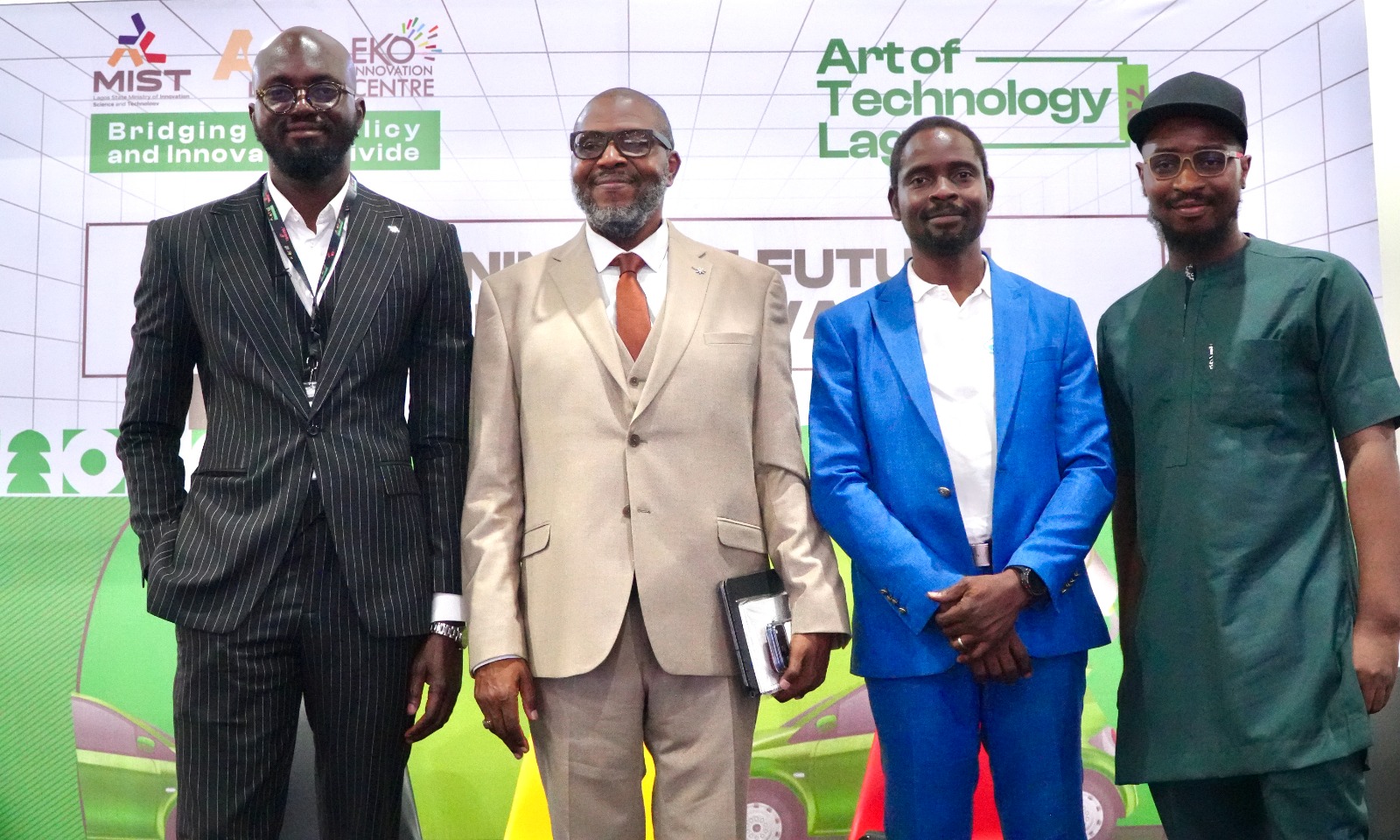
Speaking at the recently concluded Art of Technology Lagos 7.0 conference, Oladimeji Timothy, inDrive’s country representative, shifted attention away from the platform’s growth trajectory, even though the company has expanded to seven cities and now holds the number-two position in Nigeria’s ride-hailing market since its 2021 entry. Instead, he recast inDrive’s operations as a case study in how macroeconomic shocks, especially the removal of fuel subsidies, are reshaping the livelihood realities of drivers.

Timothy argued that the conversation on Nigeria’s transport-tech sector has been too focused on consumer pricing and too little on the sustainability of earnings for the workforce powering the ecosystem. According to him, this has left a blind spot. While passengers struggle with rising fares, drivers face even sharper pressures as fuel inflation erodes margins, vehicle-financing costs rise, and maintenance becomes more expensive.

Timothy also spoke on inDrive’s “fair pricing” model, where riders and drivers negotiate fares, not only as a competitive feature but as a buffer that gives drivers agency in a volatile economy. In his view, the model reduces income uncertainty, a feature he described as increasingly critical for operators navigating the post-subsidy environment.

However, the pivot to driver welfare was not merely rhetorical. InDrive’s message suggested that Nigeria’s mobility economy, which is heavily reliant on self-financed or hire-purchase vehicles, is approaching a sustainability ceiling. Without changes in financing and infrastructure, he warned, both traditional and tech-enabled transport services may struggle to maintain affordability while protecting incomes.

The company is positioning electric vehicles (EVs) as a potential long-term solution,albeit one with significant early-stage barriers. During a breakout session titled From Fuel to Future, Timothy said the shift toward EVs is already emerging among fleet operators who view fuel-price volatility as untenable. Yet, for individual drivers, he said the transition remains out of reach due to limited awareness, misconceptions about EV economics, and an absence of structured financing.

He argued that awareness campaigns must broaden beyond environmental benefits to illustrate operational economics, particularly the potential reduction in day-to-day fuel expenses. “Operational costs are where EVs present real value for drivers, but many do not have access to the information that would help them make an informed decision,” he said.

Timothy also highlighted a financing model suited to EV acquisition, which he described as the sector’s most urgent gap. Nigeria’s current vehicle-financing landscape is dominated by informal hire-purchase arrangements, which saddle drivers with steep weekly or monthly repayments. EVs, despite their lower operating costs, require higher upfront investment and therefore more formalised credit structures.

“No ride-hailing operator can drive mass EV adoption alone. This is a sector problem that needs sector-wide solutions—banks, fleet owners, technology companies, and policymakers must align on a viable model,” he said. 

That model, he added, must be designed for the realities of Nigeria’s urban and peri-urban transport economy, where electricity reliability varies widely and where charging infrastructure is sparse. Without attention to these fundamentals, EVs will remain an elite or corporate-only phenomenon, leaving the bulk of Nigerian drivers locked out of the transition.

Brand recognition did not go unnoticed, however. InDrive’s receipt of the Service Transformation Leadership Award at the conference served as a symbolic endorsement of its efforts to differentiate itself in a crowded market, one where players compete not only for passengers, but also for driver loyalty amid rising operating costs.

Leave a Comment

inDrive calls for EV financing framework to protect Nigeria’s transport workers

Onome Amuge

inDrive, the global mobility and urban services platform, has warned that unless Nigeria begins restructuring the economics of commercial transportation, the country’s vast informal mobility workforce could face deeper financial strain in the years ahead.

Speaking at the recently concluded Art of Technology Lagos 7.0 conference, Oladimeji Timothy, inDrive’s country representative, shifted attention away from the platform’s growth trajectory, even though the company has expanded to seven cities and now holds the number-two position in Nigeria’s ride-hailing market since its 2021 entry. Instead, he recast inDrive’s operations as a case study in how macroeconomic shocks, especially the removal of fuel subsidies, are reshaping the livelihood realities of drivers.

Timothy argued that the conversation on Nigeria’s transport-tech sector has been too focused on consumer pricing and too little on the sustainability of earnings for the workforce powering the ecosystem. According to him, this has left a blind spot. While passengers struggle with rising fares, drivers face even sharper pressures as fuel inflation erodes margins, vehicle-financing costs rise, and maintenance becomes more expensive.

Timothy also spoke on inDrive’s “fair pricing” model, where riders and drivers negotiate fares, not only as a competitive feature but as a buffer that gives drivers agency in a volatile economy. In his view, the model reduces income uncertainty, a feature he described as increasingly critical for operators navigating the post-subsidy environment.

However, the pivot to driver welfare was not merely rhetorical. InDrive’s message suggested that Nigeria’s mobility economy, which is heavily reliant on self-financed or hire-purchase vehicles, is approaching a sustainability ceiling. Without changes in financing and infrastructure, he warned, both traditional and tech-enabled transport services may struggle to maintain affordability while protecting incomes.

The company is positioning electric vehicles (EVs) as a potential long-term solution,albeit one with significant early-stage barriers. During a breakout session titled From Fuel to Future, Timothy said the shift toward EVs is already emerging among fleet operators who view fuel-price volatility as untenable. Yet, for individual drivers, he said the transition remains out of reach due to limited awareness, misconceptions about EV economics, and an absence of structured financing.

He argued that awareness campaigns must broaden beyond environmental benefits to illustrate operational economics, particularly the potential reduction in day-to-day fuel expenses. “Operational costs are where EVs present real value for drivers, but many do not have access to the information that would help them make an informed decision,” he said.

Timothy also highlighted a financing model suited to EV acquisition, which he described as the sector’s most urgent gap. Nigeria’s current vehicle-financing landscape is dominated by informal hire-purchase arrangements, which saddle drivers with steep weekly or monthly repayments. EVs, despite their lower operating costs, require higher upfront investment and therefore more formalised credit structures.

“No ride-hailing operator can drive mass EV adoption alone. This is a sector problem that needs sector-wide solutions—banks, fleet owners, technology companies, and policymakers must align on a viable model,” he said. 

That model, he added, must be designed for the realities of Nigeria’s urban and peri-urban transport economy, where electricity reliability varies widely and where charging infrastructure is sparse. Without attention to these fundamentals, EVs will remain an elite or corporate-only phenomenon, leaving the bulk of Nigerian drivers locked out of the transition.

Brand recognition did not go unnoticed, however. InDrive’s receipt of the Service Transformation Leadership Award at the conference served as a symbolic endorsement of its efforts to differentiate itself in a crowded market, one where players compete not only for passengers, but also for driver loyalty amid rising operating costs.

[quads id=1]

Get Copy

Leave a Comment