
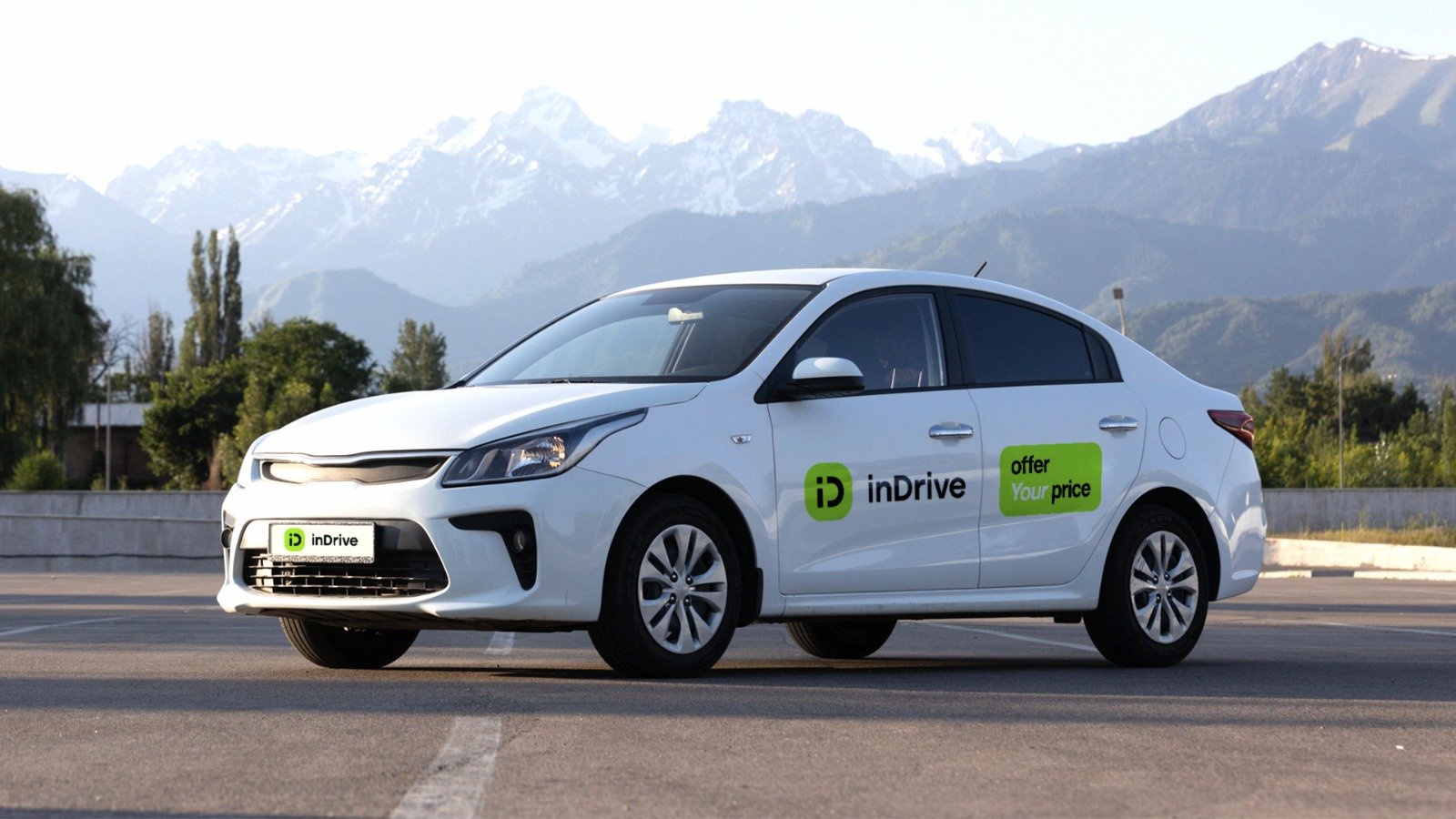
Ride-hailing platform, inDrive is expanding into digital advertising as mobility companies increasingly search for alternative revenue streams to offset thin margins in transport services, with the company launching a global ad platform designed to subsidise fares while keeping driver commissions comparatively low.
The initiative, branded inDrive Ads, reflects a shift across the mobility sector, where operators are seeking higher-margin ancillary businesses, from financial services to media advertising, to reduce reliance on ride commissions alone. The company says the platform is already active across its 20 largest markets, covering the bulk of its monthly user base, with plans to extend the offering across its entire geographic footprint during the year.
For inDrive, whose business model emphasises negotiated fares between drivers and riders rather than algorithmic pricing, maintaining affordability has been central to its positioning in emerging markets. Advertising revenue, executives argue, could help sustain that approach while providing a new profit lever in an industry where operating costs and regulatory pressures remain persistent concerns.
Timothy Oladimeji, the company’s country representative, said advertiser demand had shown early momentum, with bookings reportedly doubling month-on-month in initial rollout phases. Early campaigns have attracted brands from sectors including e-commerce, retail, banking and financial services, suggesting advertisers see value in mobility apps’ large, frequently engaged user bases.
Mobility platforms globally have become attractive advertising channels because of their high-frequency usage and granular location data. Analysts note that such data, when deployed within privacy constraints, can enable targeted promotions that traditional digital channels may struggle to match in emerging markets.
inDrive is also positioning the advertising platform as a commercial ecosystem rather than purely a marketing channel. Partnerships with financial services providers illustrate this direction: a Colombian fintech has issued more than 1,200 small cash loans through campaigns on the platform, while a Philippine lender has distributed more than 200 loans, and a Mexican bank has issued hundreds of new credit cards via similar initiatives. These collaborations indicate how mobility apps are evolving into broader consumer marketplaces.
The company says advertisements appear across multiple points in the app interface, including booking flows, and incorporate animated formats alongside measurement tools intended to give advertisers performance data. Such integration mirrors strategies used by Asian “super-apps”, where transport, payments, commerce and media increasingly converge.
Founder Arsen Tomsky has described the move as part of a wider diversification strategy intended to give the company greater financial flexibility. Advertising, typically higher margin than transport services, could provide a buffer against fluctuating ride volumes and rising operational costs, while supporting expansion into additional urban services.
inDrive already operates across 48 countries and nearly 900 cities, with more than 240mn app downloads globally. Beyond ride-hailing, its services include courier delivery, intercity transport and various urban mobility offerings. The company also launched a venture investment and acquisitions arm in 2023, signalling ambitions beyond core transport services.









Electronic transmission: Electoral umpires should learn from Nigerian banks