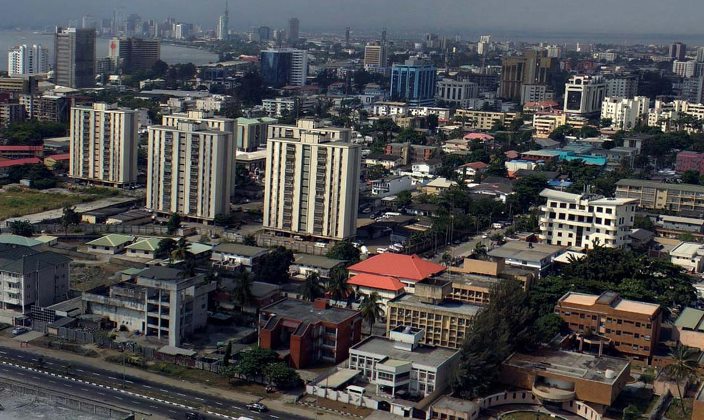
Lagos State has activated a $7.5 million parametric flood insurance policy designed to provide rapid financial support in the aftermath of flood disasters, with an estimated four million vulnerable residents set to benefit from the initiative.
The policy, which enables swift disbursement of funds once predefined flood triggers are met, marks a shift from traditional claims-based insurance systems that are often slowed by damage assessments and bureaucratic processes. Instead, payouts are automatically released when specific environmental thresholds such as rainfall levels or flood intensity are reached, allowing authorities to respond quickly to emergencies.
Details of the initiative were disclosed in a statement issued by the Insurance Development Forum (IDF), which described the development as a landmark achievement under the Tripartite Agreement Programme. The programme is a collaborative effort involving the United Nations Development Programme and Germany’s Federal Ministry for Economic Cooperation and Development, aimed at strengthening financial resilience in climate-vulnerable economies.
Lagos, one of Africa’s largest cities by population, faces increasing exposure to climate-related risks, particularly flooding. With an estimated population exceeding 22 million, the state continues to battle with the combined pressures of rapid urbanisation, inadequate infrastructure in some areas, and the growing impact of climate change. These challenges disproportionately affect low-income communities, which account for about 80 percent of the population, while insurance penetration remains below 0.5 percent.
Against this backdrop, the newly activated insurance policy is expected to play a critical role in bridging the protection gap. By ensuring that funds are readily available when disasters strike, the initiative supports immediate response efforts, including emergency relief operations and direct cash transfers to affected households in seven local government areas covered under the scheme.
The Lagos State Government, which led the Nigeria arm of the Tripartite Agreement Programme launched in 2022, views the policy as part of a broader strategy to integrate climate risk management into its long-term development planning. According to the state, failure to address climate risks could result in economic losses of nearly $40 billion by 2050, alongside severe consequences for infrastructure, livelihoods, and biodiversity.
Babajide Olusola Sanwo-Olu,the governor of Lagos State, noted “Our wetlands and biodiversity are also under threat. These realities demand urgent action. This pioneering parametric flood insurance policy strengthens our ability to protect lives, livelihoods and public finances while embedding climate risk management into Lagos State’s long-term development planning.”
The insurance product was developed through a consortium of global and local partners, including AXA Climate, AXA Mansard, Swiss Re, JBA Risk Management, ICEYE, and African Risk Capacity Limited. Their collaboration combined expertise in risk modelling, satellite technology, and insurance structuring to deliver a solution tailored to Lagos’ flood risk profile.
Financial support for the policy has been largely driven by the InsuResilience Solutions Fund, which is covering about 90 percent of the premium in the first year. The Lagos State Government is expected to gradually increase its contribution in subsequent years, with plans to boost its share beyond 10 percent in the second and third years to ensure long-term sustainability.
Katharina Stasch, director-general for multilateral development policy and climate at Germany’s development ministry, said the initiative underscores the value of coordinated action between governments, development institutions, and the private sector. She noted that as climate risks intensify globally, such partnerships will be critical in scaling innovative financial solutions for vulnerable regions.
Similarly, Annette Detken, head of the InsuResilience Solutions Fund, highlighted the policy’s potential to transform disaster response frameworks. She explained that by guaranteeing predictable and timely financing, the initiative enables governments to act swiftly, reducing the human and economic toll of disasters while laying the foundation for scalable resilience models.
With the policy now operational, Lagos authorities can immediately access funds when flood events occur, in line with the state’s Flood Contingency Plan developed with support from development partners.
Beyond its immediate benefits, the scheme is being positioned as a potential template for wider adoption across Nigeria, where climate-related disasters continue to strain public resources and expose gaps in financial protection. By leveraging insurance as a proactive risk management tool, Lagos is setting a precedent for subnational governments seeking to build resilience in the face of escalating environmental threats.