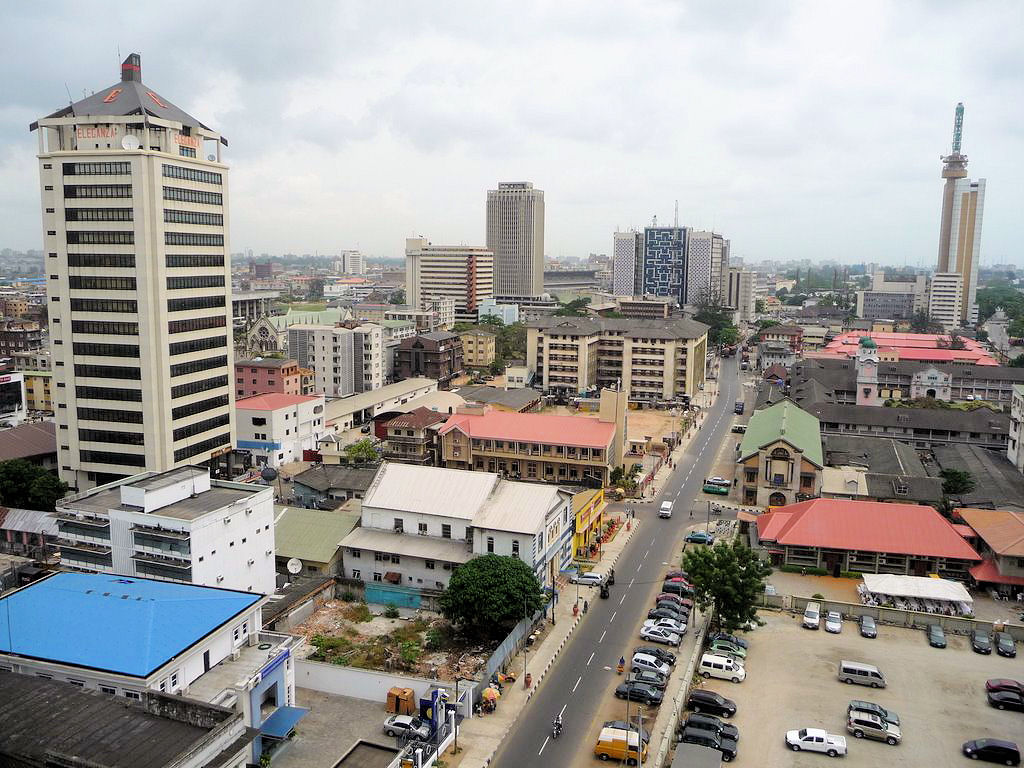
Lagos taps debt markets with N214.8bn bond plan to attract private capital

Onome Amuge

Lagos State is stepping up its reliance on debt markets to bankroll an infrastructure programme, unveiling plans for a combined N214.8bn  bond issuance designed to tap both conventional and sustainable finance investors.

Governor Babajide Sanwo-Olu, speaking at an investor forum in Lagos, framed the initiative as central to the state’s strategy to draw in private capital at a time when public finances remain constrained by inflationary pressures, high interest rates, and Nigeria’s broader fiscal challenges.

The programme includes the state’s first-ever green bond worth N14.8bn, with a five-year tenor earmarked for climate-resilient projects, alongside a N200 billion conventional 10-year issuance aimed at funding 24 large-scale developments in transport, housing, healthcare and agriculture. Both are being launched under a wider N1 trillion hybrid instruments programme.

Sanwo-Olu stressed Lagos’ financial track record, portraying the state as a rare Nigerian sub-national capable of commanding investor confidence. “Inflation and rising costs will always be a factor, but your investment today secures tomorrow’s progress,” he said.

For investors, the dual issuance highlights both the appetite and risk calculus involved in financing one of Africa’s most populous cities. Lagos generates roughly a third of Nigeria’s GDP and has a tax base far broader than other states, but it also faces rising urbanisation pressures and infrastructure deficits. The new bonds are seen as a pivot to market-based funding mechanisms as federal allocations become increasingly insufficient.

Analysts note that Lagos’ move reflects a global trend among sub-sovereigns using green finance to broaden their investor pool. By aligning the N14.8 billion green bond with UN Sustainable Development Goals, the state is seeking to attract international institutional investors with mandates to deploy capital into climate-aligned assets.

The state has an established record in the debt markets, having first issued a bond in 1987 and maintaining consistent repayment. Finance commissioner Abayomi Oluyomi underlined this continuity, describing the latest issuance as “an evolution, not a departure” in Lagos’ funding strategy.

Legislative leaders also moved to reassure investors of oversight. Femi Saheed, chair of the House finance committee, pledged close scrutiny of project execution to boost transparency and mitigate concerns about governance risk, a recurring issue in Nigerian sub-national borrowing.

According to analysts, investor appetite will likely hinge on pricing amid Nigeria’s volatile macroeconomic backdrop. With inflation hovering at multi-decade highs and yields on federal government securities rising, Lagos may need to offer a premium to lure buyers.

If successful, however, the issuance would reinforce Lagos’ role as a bellwether for sub-sovereign borrowing in Africa. It would also provide a template for other Nigerian states under pressure to finance infrastructure without over-reliance on federal transfers.

Leave a Comment

Lagos taps debt markets with N214.8bn bond plan to attract private capital

Onome Amuge

Lagos State is stepping up its reliance on debt markets to bankroll an infrastructure programme, unveiling plans for a combined N214.8bn  bond issuance designed to tap both conventional and sustainable finance investors.

Governor Babajide Sanwo-Olu, speaking at an investor forum in Lagos, framed the initiative as central to the state’s strategy to draw in private capital at a time when public finances remain constrained by inflationary pressures, high interest rates, and Nigeria’s broader fiscal challenges.

The programme includes the state’s first-ever green bond worth N14.8bn, with a five-year tenor earmarked for climate-resilient projects, alongside a N200 billion conventional 10-year issuance aimed at funding 24 large-scale developments in transport, housing, healthcare and agriculture. Both are being launched under a wider N1 trillion hybrid instruments programme.

Sanwo-Olu stressed Lagos’ financial track record, portraying the state as a rare Nigerian sub-national capable of commanding investor confidence. “Inflation and rising costs will always be a factor, but your investment today secures tomorrow’s progress,” he said.

For investors, the dual issuance highlights both the appetite and risk calculus involved in financing one of Africa’s most populous cities. Lagos generates roughly a third of Nigeria’s GDP and has a tax base far broader than other states, but it also faces rising urbanisation pressures and infrastructure deficits. The new bonds are seen as a pivot to market-based funding mechanisms as federal allocations become increasingly insufficient.

Analysts note that Lagos’ move reflects a global trend among sub-sovereigns using green finance to broaden their investor pool. By aligning the N14.8 billion green bond with UN Sustainable Development Goals, the state is seeking to attract international institutional investors with mandates to deploy capital into climate-aligned assets.

The state has an established record in the debt markets, having first issued a bond in 1987 and maintaining consistent repayment. Finance commissioner Abayomi Oluyomi underlined this continuity, describing the latest issuance as “an evolution, not a departure” in Lagos’ funding strategy.

Legislative leaders also moved to reassure investors of oversight. Femi Saheed, chair of the House finance committee, pledged close scrutiny of project execution to boost transparency and mitigate concerns about governance risk, a recurring issue in Nigerian sub-national borrowing.

According to analysts, investor appetite will likely hinge on pricing amid Nigeria’s volatile macroeconomic backdrop. With inflation hovering at multi-decade highs and yields on federal government securities rising, Lagos may need to offer a premium to lure buyers.

If successful, however, the issuance would reinforce Lagos’ role as a bellwether for sub-sovereign borrowing in Africa. It would also provide a template for other Nigerian states under pressure to finance infrastructure without over-reliance on federal transfers.

Leave a Comment