
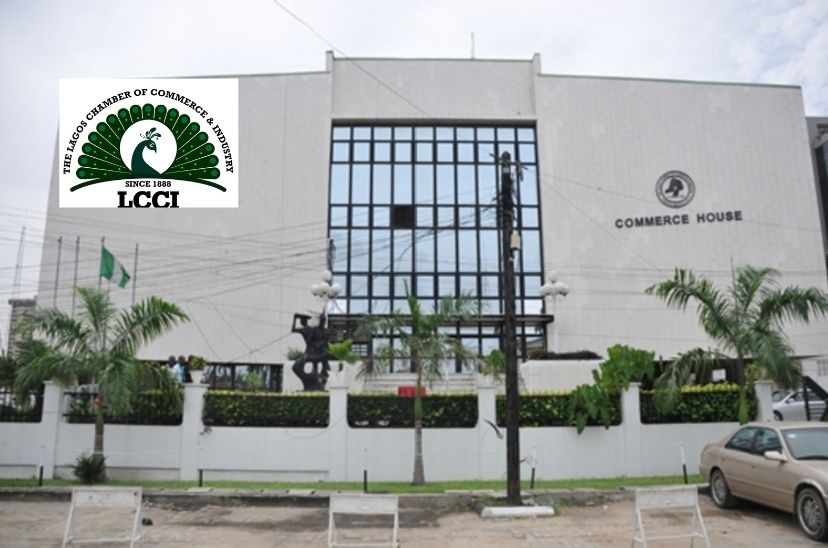
Onome Amuge
The Lagos Chamber of Commerce & Industry (LCCI) has warned that Nigeria’s push toward economic consolidation in 2026 is at risk after the national electricity grid collapsed for the second time in five days, plunging large parts of the country into darkness.
The private-sector body described the latest failure as a grave threat to economic stability, warning that recurring outages are undermining productivity, weakening investor confidence and diminishing the credibility of ongoing economic reforms.
In a statement issued recently, Chinyere Almona, the LCCI director-general and chief executive officer, said the recurring collapses underscore deep structural and operational weaknesses within Nigeria’s power transmission system, weaknesses that could derail the government’s post-crisis economic ambitions if left unaddressed.
The blackout, which plunged much of the country into darkness, disrupted manufacturing operations, commercial activities and essential services, forcing businesses to once again fall back on costly diesel and petrol generators. The timing is particularly damaging for manufacturers and micro, small and medium-sized enterprises (MSMEs), as firms struggle to stabilise operations after years of currency volatility, inflationary pressures and weak consumer demand.
According to the LCCI, the power crisis is no longer merely a technical challenge but a systemic economic risk. The chamber warned that, under a business-as-usual scenario, Nigeria could experience “tens of grid collapses” in 2026 if urgent reforms are not implemented. By contrast, Almona argued that decisive intervention, including system upgrades and strict operational discipline, could reduce grid failures to zero and align Nigeria with minimum reliability benchmarks required for economic consolidation.
The warning lands at a sensitive moment for policymakers. After two years focused on crisis management and macroeconomic stabilisation, the federal government has signalled that 2026 should mark the beginning of a consolidation phase, characterised by higher growth, improved investment inflows and stronger industrial performance. Persistent power instability, business leaders say, threatens to undermine those goals.
“The repeated grid failures impose severe costs on businesses through lost production hours, damaged equipment, increased reliance on self-generation, higher operating expenses, and reduced competitiveness. These disruptions weaken investor confidence, worsen inflationary pressures, and undermine the credibility of economic reforms,” Almona stated.
Industry players estimate that self-generation already accounts for more than half of electricity consumed by Nigerian businesses, raising operating costs and reducing margins. For export-oriented manufacturers, unreliable power further reduces competitiveness at a time when Nigeria is seeking to expand non-oil exports and attract foreign direct investment.
The LCCI has therefore called on the federal government to declare grid stability an economic emergency and to take decisive, transparent action. Central to its recommendations is the establishment of an independent forensic audit of the national grid, covering transmission infrastructure integrity, system protection mechanisms, operational protocols and governance structures.
The chamber said the findings of such an audit should form the backbone of a short-term grid performance reform programme, aimed at eliminating recurrent system collapses rather than merely restoring supply after failures occur.
The economic consequences of inaction, the LCCI warned, would be severe. Recurrent grid collapses would continue to constrain productivity, slow job creation, weaken exports and reinforce Nigeria’s dependence on expensive, polluting self-generation. They would also complicate efforts to tame inflation, as higher energy costs are passed through to consumer prices.
“What we are witnessing today is unacceptable. At this stage, the causes of these collapses should be well understood, better managed, and effectively prevented,” the LCCI DG added.
The chamber stressed that restoring grid stability is foundational to industrialisation, competitiveness and macroeconomic stability, and urged coordinated action across government agencies, regulators and system operators.









The souls of our ancestors will now rest in peace!