LEADERSHIP and economic freedom are inseparable elements in shaping the destiny of nations. While economic freedom enables citizens and enterprises to thrive through free markets and innovation, leadership determines how that freedom is nurtured, protected, or restricted. Leadership impacts values which trickle down along a chain of events and chain of commands. Herein is where leadership finds expression in value chains. The quality of leadership often explains why some nations flourish while others stagnate, despite comparable resources.
Economic freedom is the ability of individuals and businesses to make choices about production, trade, investment, and consumption without undue interference from government or monopolistic interests. It rests on key pillars such as protection of property rights, rule of law and judicial independence, open and competitive markets, sound fiscal and monetary policies, and limited but effective government intervention.
Where these foundations are strong, productivity rises, investments grow, and citizens enjoy higher living standards. Conversely, when governments overregulate, mismanage or allow corruption to thrive, economic potential is suppressed and inequality deepens.
Leadership plays the pivotal role in determining whether economic freedom flourishes or fades. Effective leaders provide clarity of vision, policy stability, and institutional strength. They build trust by enforcing transparency and accountability, maintaining the rule of law, and promoting fair competition.
Strong leadership is not about control, but about creating an environment where individuals can exercise their talents freely and responsibly. A leader who understands the power of markets and human creativity will focus on enabling rather than constraining economic actors.
Visionary leaders recognise that freedom fuels progress. Singapore’s late Prime Minister, Lee Kuan Yew, exemplified this understanding. By combining strict governance with pro-market reforms, he transformed a small, resource-poor island into one of the world’s freest and most prosperous economies through robust socio-economic value chains.
Similarly, countries like Chile and South Korea advanced rapidly when leadership prioritised economic liberalisation, institutional reforms, and investment in education. In contrast, nations where leadership succumbed to corruption, policy inconsistency, or authoritarianism often remain trapped in underdevelopment.
In Nigeria, for instance, abundant natural wealth has not translated into broad prosperity due largely to weak governance, corruption, and policy instability — factors that restrict economic freedom and discourage innovation.
Absolute freedom without regulation can lead to exploitation, while excessive control stifles creativity and enterprise. Therefore, the hallmark of effective leadership is balance — ensuring both freedom and fairness. Responsible leaders set transparent rules that protect citizens, uphold contracts, and foster equitable opportunities without micromanaging the economy.
Leadership is the cornerstone of a nation’s economic destiny. It determines whether institutions protect rights or perpetuate privilege, whether policies attract investment or repel it. A country’s prosperity depends less on its natural resources than on the quality of its leadership — leaders who place high value on integrity, innovation, and inclusive freedom.
Economic freedom thrives where leadership is visionary, principled, and people-centered. The future of any nation, therefore, rests not merely on economic plans but on the courage and wisdom of those who lead. Here is where value makes impacts in a cascading form and brings its relevance to bear like chain reactions.

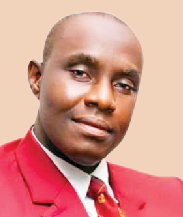
Kelechi C. Udochukwu is a fintech analyst who has worked in retail, investment and microfinance banking institutions. He has over 30 years managerial experience. Send feedback and responses to comment@businessamlive.com