Leadership remains one of the most misused words in our public discourse. It is spoken loudly at conferences, printed boldly on campaign posters, and claimed freely by those in positions of authority. Yet, across many African societies, the reality is extremely different; we have leaders everywhere, but leadership is scarce.
Leadership is not a title bestowed by elections, appointments, or inheritance. It is a responsibility earned daily through character, competence, and service. When leadership is reduced to position alone, governance suffers, institutions weaken, and public trust sublimes.
Across the country, we see the consequences clearly. Policies are announced without implementation. Institutions depend more on personalities than systems. Young people become uninterested, not because they lack hope, but because they lack credible examples of leadership worth emulating.
True leadership demands wisdom in the use of power, courage in decision-making, and accountability to the people served. It requires the discipline to place long-term public good above short-term personal gain. Unfortunately, these qualities are often absent from leadership mindset that prioritise loyalty over merit and ambition over competence. Governance, therefore, cannot improve without leadership reform.
Strong institutions do not emerge by chance, they are built by leaders who respect rules, protect processes, and think beyond their tenure. Where leaders treat institutions as extensions of themselves, governance becomes fragile and loses credibility. Where leaders see themselves as stewards, systems endure and gain trust.
Africa’s youth are frequently described as “leaders of tomorrow,” yet tomorrow arrives daily without adequate preparation today. Leadership is not an instinct; it is a skill set that must be taught, modelled, and practised. Without intentional leadership development rooted in values, we risk producing a generation skilled in ambition but untrained in responsibility.
Youth empowerment without character formation is incomplete. Education without civic values is insufficient. Mentorship without accountability is ineffective.
If Nigeria is to change its leadership story, leadership must be redefined not as privilege, but as service; not as entitlement, but as duty. This redefinition must begin early, be reinforced consistently, and be demanded collectively by citizens who refuse to normalise mediocrity in public life.
The future of governance in this country will not be decided by slogans or speeches. It will be shaped by the quality of leaders we tolerate, the standards we enforce, and the values we choose to pass on. Leadership is not a title. It is a burden and a responsibility too important to be carried lightly.
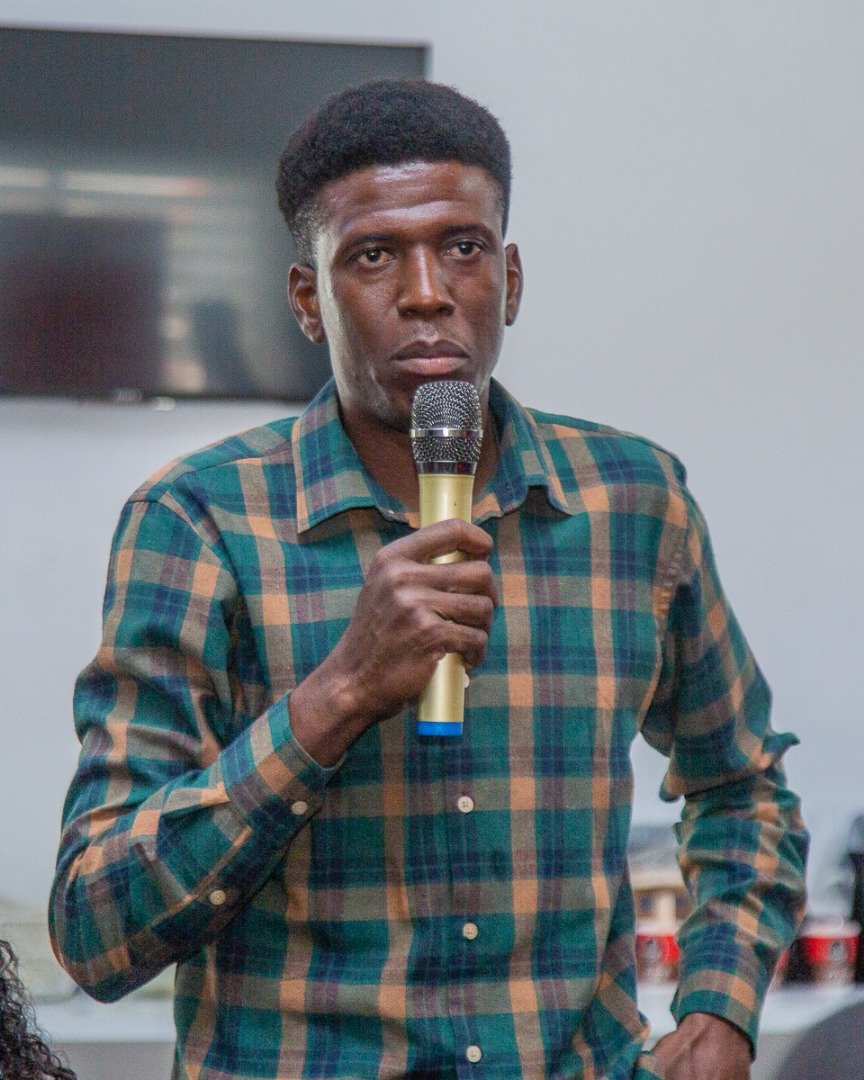
Ojo Semasa is a Nigerian transformative leader, certified counsellor, and the coordinator for the YALI Network Lagos.